In Hungary, authorities warned of the “most critical five days” as the country’s only nuclear power plant prepared for its first-ever full shutdown in over 40 years….reports Asian Lite News Desk
From record-breaking temperatures and deadly wildfires to shrinking rivers and mounting pressure on power supplies, the Northern Hemisphere is enduring one of its most destructive summers in recent memory, with governments and scientists warning that climate change and a strengthening El Niño are intensifying the crisis.
Across Europe, Asia and North America, heatwaves have pushed temperatures to unprecedented levels, triggering thousands of excess deaths, devastating forests, disrupting infrastructure and placing growing strain on water and energy resources.
One of the starkest examples emerged in Hungary, where authorities warned of the “most critical five days” ahead as the country’s only nuclear power plant prepared for its first-ever complete shutdown in more than four decades. Record-low water levels in the Danube River, used to cool the plant’s reactors, have threatened operations at the facility, which supplies around half of Hungary’s electricity.

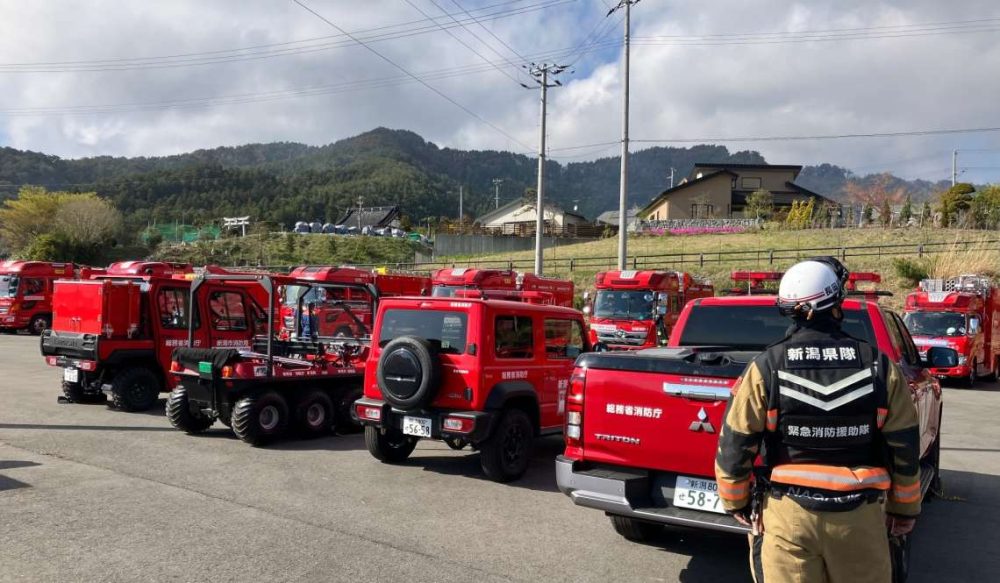
Elsewhere in Europe, firefighters battled fast-moving wildfires across Greece, while France and Spain continued to confront fresh flare-ups despite bringing several major blazes under control. The fires have been fuelled by prolonged drought, high temperatures and strong winds.
The heat has also shattered records in Asia. South Korea recorded its highest temperature in more than a century, with Yangsan reaching 42.5 degrees Celsius. In the United States, excessive heat warnings covered parts of California, Arizona, Nevada and Utah, where desert temperatures were forecast to climb to 49 degrees Celsius, increasing the risk of heat-related illnesses and new wildfires.
The human cost has been severe. Germany’s Robert Koch Institute (RKI) reported around 9,800 heat-related deaths by July 19, already exceeding the annual totals recorded in any year since 2016. In the UK, official figures showed 2,877 heat-related deaths during the May and June heatwaves—almost double the total recorded throughout 2025. France also reported 5,764 excess deaths during its late June heatwave, according to the national public health agency.
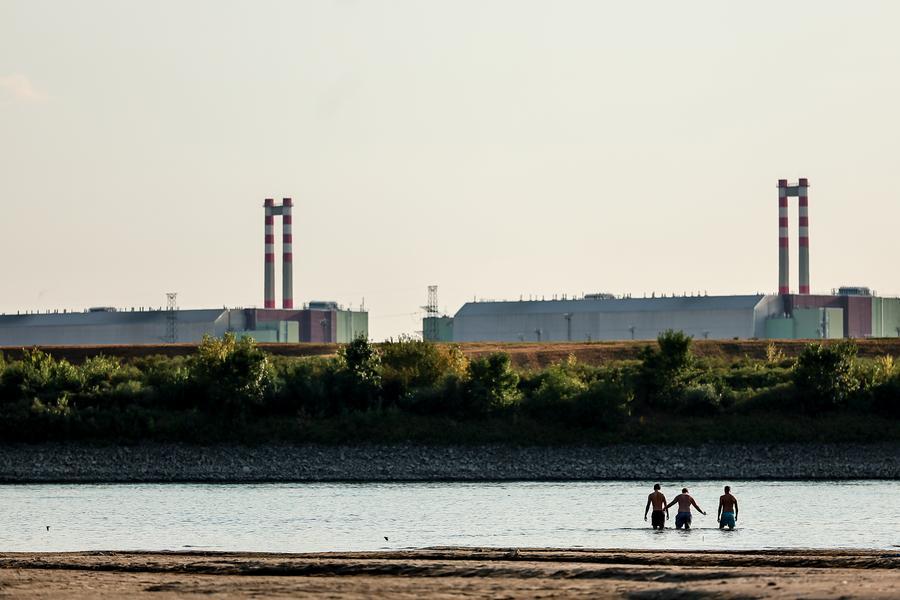
The prolonged heat has intensified drought across much of Europe, leaving rivers at historically low levels. Slovakia recorded the lowest July flow of the Danube since records began in 1876, while the Netherlands reported the lowest Rhine water levels ever measured in the country. Reduced river flows are disrupting agriculture, shipping, fishing, tourism and industrial activity across the continent.
Wildfires have reached alarming levels. According to the United Nations Economic Commission for Europe (UNECE), Spain has already lost more than 200,000 hectares of land to fires this summer—twice its historical annual average. Across Europe, more than 434,000 hectares have burned in 2026, while Canada has experienced over 4,000 wildfires that have scorched 3.77 million hectares. In the United States, nearly 1.85 million hectares have already been destroyed.
The economic toll is equally significant. The UNECE estimates that wildfires cost the European Union around €2.5 billion every year, through damage to infrastructure, lost tourism revenue and disruption to businesses.
Climate experts warn these events are no longer isolated disasters but part of a worrying long-term trend. Paola Deda, Director of the UNECE Environment and Forests Division, said every summer now serves as a reminder that wildfires are becoming an increasingly predictable consequence of a warming planet.
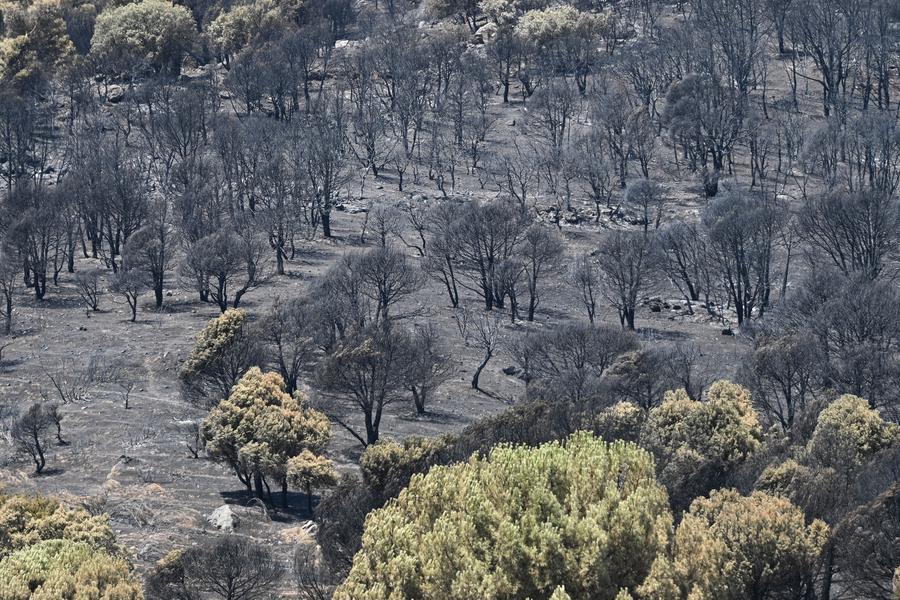
Scientists say climate change is increasing the frequency and intensity of heatwaves while creating hotter, drier conditions that make forests more vulnerable to fire. Those fires, in turn, release massive amounts of carbon dioxide, creating a dangerous feedback loop that accelerates global warming.
The situation could worsen further as El Niño strengthens. United Nations Secretary-General António Guterres warned that Pacific Ocean temperatures are rising faster than ever recorded at this stage of an El Niño event, with nearly every land region on Earth expected to experience above-normal temperatures through October.
“The verdict is clear: the climate crisis is in overdrive,” Guterres said, urging governments to address the root causes of global warming. He warned that continued investment in fossil fuel projects would only make future heatwaves more severe, calling for urgent international action to curb emissions and build resilience against increasingly extreme weather.