Oil prices tumbled to a three-week low as optimism over Strait of Hormuz negotiations eased supply concerns, although markets remain alert to geopolitical developments….reports Arab Daily News Desk
Global oil prices extended their sharp decline this week, with benchmark Brent crude falling to a three-week low as investors responded to signs of possible progress in diplomatic efforts to restore shipping through the Strait of Hormuz, easing concerns over supply disruptions from one of the world’s most critical energy routes.
Brent crude futures fell as much as 4 per cent during Tuesday’s trading before settling lower, while US West Texas Intermediate (WTI) also recorded steep losses. On Wednesday, the downward trend continued, with Brent trading at $78.44 a barrel, down 92 cents, while WTI slipped $1.07 to $74.70 a barrel. Both benchmarks have lost more than 11 per cent so far this week after touching their lowest levels since mid-July.
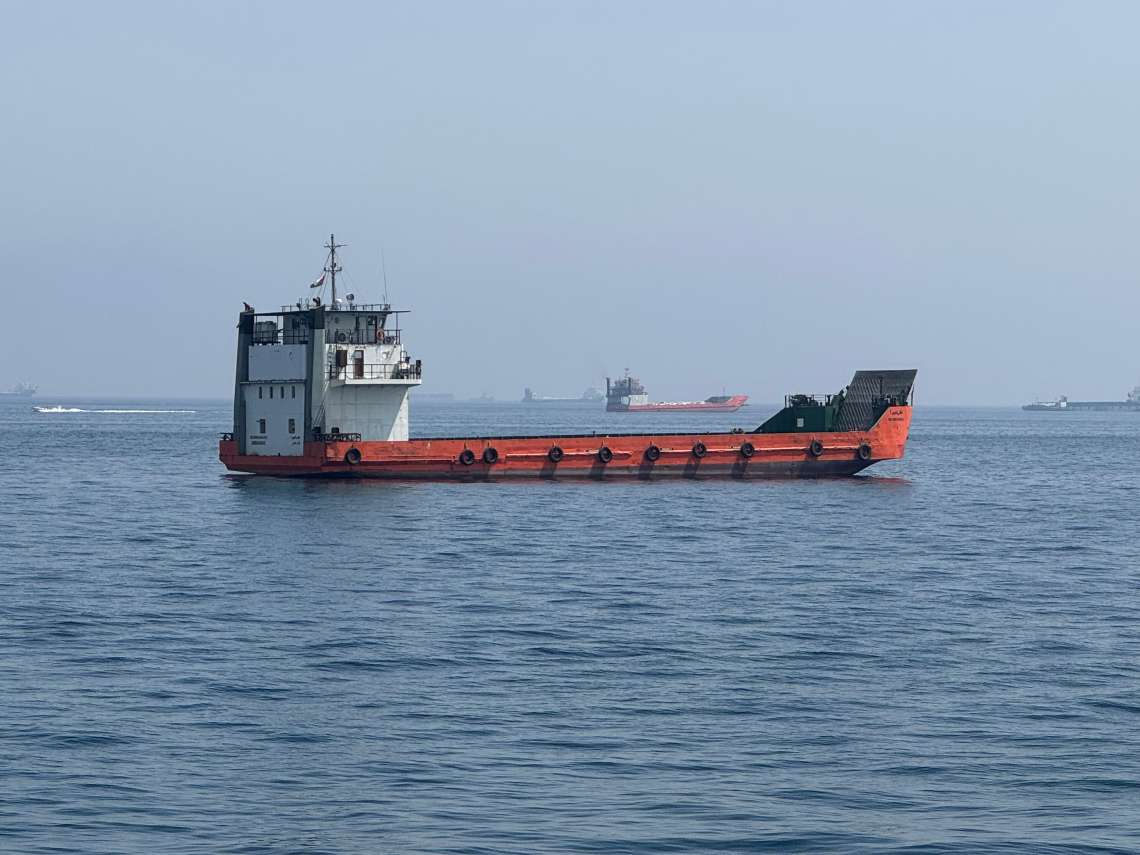
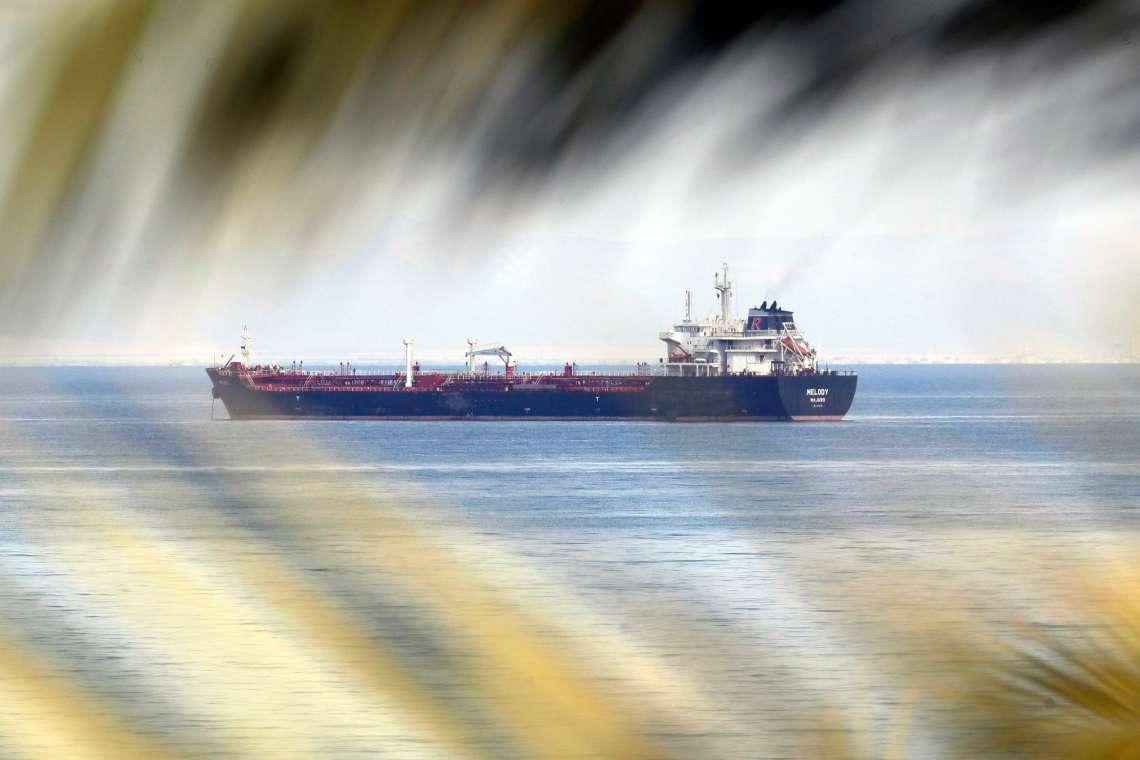
The retreat follows a period of heightened volatility that had driven oil prices sharply higher amid fears over disruptions to tanker movements through the Strait of Hormuz, the narrow waterway linking the Persian Gulf to global markets. The passage is a vital artery for international energy trade, with around one-fifth of the world’s oil consumption typically transported through the strait.
The latest sell-off was largely driven by growing expectations that diplomatic negotiations could reduce tensions in the Gulf and allow commercial shipping to move more freely through the Strait of Hormuz.
Market sentiment improved after senior US officials expressed optimism about ongoing discussions aimed at restoring maritime traffic. Investors interpreted the developments as reducing the immediate risk of prolonged supply disruptions, prompting traders to unwind part of the geopolitical risk premium that had built into crude prices in recent months.
Analysts said any progress towards normalising shipping movements would likely increase the availability of crude exports from Gulf producers and help stabilise global supply chains.

Supply outlook improves
Another factor weighing on prices was evidence of improving oil supply fundamentals.
Industry data released ahead of official US government figures indicated that US crude inventories increased by around 2.7 million barrels last week, suggesting supply remained relatively comfortable despite geopolitical tensions. Traders are now awaiting confirmation from the US Energy Information Administration, whose weekly inventory report is closely watched for indications of demand and production trends.
The prospect of more tankers resuming operations has also strengthened expectations that oil supplies trapped in the Gulf could gradually return to international markets, easing concerns over shortages.
Beyond crude oil, disruptions in the region have also affected shipments of refined petroleum products, fertilisers and industrial gases, making the reopening of key shipping routes important for broader global trade.
Volatility remains high
Despite the sharp decline, analysts cautioned that oil markets remain highly sensitive to political and military developments across the Middle East.
Prices have experienced wide swings in recent months as traders reacted to changing headlines surrounding regional diplomacy, shipping security and the outlook for global energy supplies. While recent negotiations have improved market confidence, uncertainty over the durability of any agreement continues to influence trading sentiment.
Commodity analysts noted that geopolitical risk has not disappeared entirely and warned that any setback in diplomatic efforts or renewed disruption to shipping could quickly reverse recent losses.
Lower crude prices are expected to provide some relief for energy-importing nations, helping reduce fuel costs and easing inflationary pressures that have affected households and businesses in many countries.
For major importing economies such as India, Japan and several European nations, declining oil prices could reduce import bills and improve trade balances if the downward trend continues.
However, energy producers will be watching developments closely, as prolonged weakness in crude prices could weigh on government revenues and investment across the oil sector.