Four more suspected measles deaths have been reported in Bangladesh, taking the combined confirmed and suspected death toll to 1,057 in 2026….reports Asian Lite News Desk
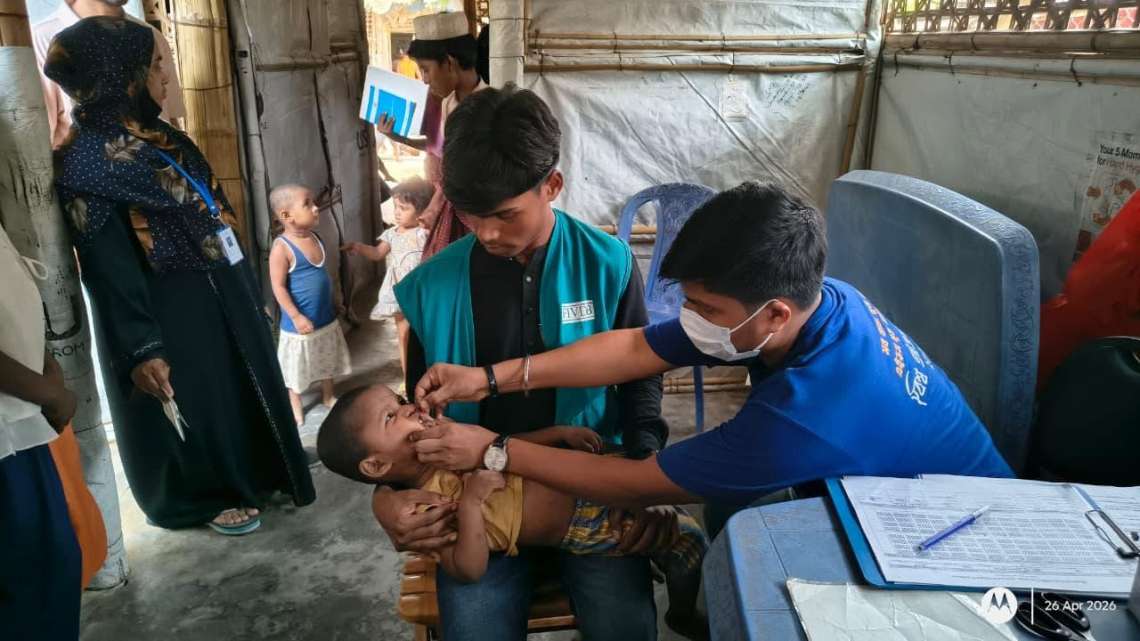
Bangladesh’s measles outbreak has claimed four more suspected lives, taking the combined number of confirmed and suspected measles fatalities to 1,057 in 2026, according to health authorities.
The four deaths were reported among children with measles-like symptoms in the 24 hours to 8 am local time on Sunday, the Directorate General of Health Services (DGHS) said. The latest figures bring the number of suspected measles deaths to 956, while confirmed measles fatalities stand at 101, United News of Bangladesh reported.
The DGHS also recorded 1,148 new suspected measles cases during the same 24-hour period, taking the total number of suspected cases reported across Bangladesh to 179,814.
Laboratory-confirmed cases also continued to rise, with 88 new cases reported, bringing the nationwide total to 20,562.
Since March 15, a total of 158,589 people with measles-like symptoms have been hospitalised, according to the DGHS. Of those, 152,225 patients have recovered.
The outbreak has raised concerns over Bangladesh’s vaccination coverage and the ability of its health system to contain the spread of the preventable disease. A Canada-based international advocacy group recently described the 2026 outbreak as one of the country’s worst public health crises in recent history.

In a report titled ‘Preventable Tragedy: Bangladesh’s 2026 Measles Outbreak’, the Global Centre for Democratic Governance (GCDG) said the scale of the outbreak may have appeared sudden to the public, but argued that it was not unexpected from an epidemiological perspective.
The report attributed the outbreak to a combination of factors, including disruptions to vaccine supplies and health programmes during 2024 and 2025, missed routine vaccinations and the cancellation of scheduled supplementary immunisation programmes.
It also pointed to administrative delays in vaccine procurement and what it described as a failure to identify at-risk populations promptly.
According to the GCDG report, Bangladesh had traditionally procured World Health Organisation-approved vaccines through the international supply chain operated by the United Nations Children’s Fund (UNICEF).
The report said the system was subsequently replaced by an open tender procurement process during the interim government led by Muhammad Yunus.
Citing UNICEF, the GCDG said the organisation had repeatedly warned the interim government about a potential vaccine shortage. It claimed UNICEF issued five to six formal letters and held around 10 meetings between 2024 and 2026 to raise concerns over vaccine availability.
The health authorities’ latest figures indicate that the outbreak continues to place significant pressure on Bangladesh’s healthcare system, with thousands of new suspected cases being reported and large numbers of patients requiring hospital treatment.
The figures include both suspected and confirmed cases and deaths, with the DGHS continuing to monitor the outbreak and update its assessment.