The Asian Development Bank has lowered its Bangladesh growth forecast for FY27, citing banking sector weaknesses, energy shortages and structural constraints….reports Asian Lite News Desk
The Asian Development Bank has lowered its economic growth forecast for Bangladesh for FY27 to 4 per cent from 4.5 per cent in July, citing continued stress in the banking sector, energy shortages and structural bottlenecks.
The latest ADB outlook comes as Bangladesh’s economy faces constraints from weak bank balance sheets, high non performing loans, elevated borrowing costs and limited private sector access to credit. The lender’s September 2026 data confirms that its latest forecasts cover 2026 and 2027.
The ADB said these financial sector pressures, along with banks’ preference for government securities, could restrict credit available to businesses. Unreliable energy supplies, logistics constraints and lengthy regulatory procedures are also expected to weigh on economic activity.
“The downgrade for FY2027 reflects trade headwinds, energy import volatility and weather-related disruptions impacting agriculture and output across South Asia,” the ADB said in a statement.
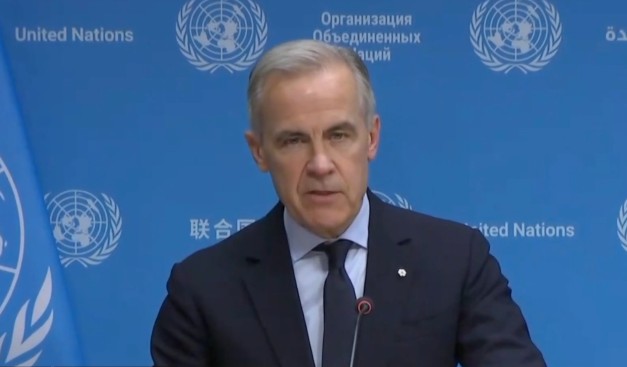
ADB Country Director Qingfeng Zhang said Bangladesh’s economy had begun to recover, but its outlook remained dependent on external shocks and domestic constraints.
“This is an important moment to accelerate reforms in macroeconomic management, the financial sector, energy security, and the business environment. These reforms will be essential to unlock private investment, create quality jobs, and place Bangladesh on a stronger, more inclusive, and resilient growth path,” Zhang said.
Industrial growth is projected to slow to 3.3 per cent in FY27 amid persistent energy shortages, higher production costs, weak external demand and uncertainty affecting manufacturing and private investment.
The services sector is expected to remain the strongest growing component of the economy, with growth forecast at 4.7 per cent, supported by resilient remittance inflows and a modest recovery in domestic activity.
Inflation is also expected to remain a major challenge. The ADB projects average inflation of 9 per cent in FY27, up from 8.7 per cent in FY26 and higher than its previous forecast of 8.8 per cent.
The lender said inflationary pressures could intensify because of a less restrictive monetary policy stance and expanded liquidity support. However, it expects subdued economic activity and sluggish credit growth to help contain demand driven inflation.
Bangladesh’s banking sector remains a key concern for the economic outlook, with high levels of non performing loans and weak balance sheets limiting the flow of credit to the private sector.
The ADB has also highlighted energy security as an important constraint, with unreliable supplies and volatility in energy imports adding to production costs and affecting industrial activity.
The lender’s latest outlook comes against a wider backdrop of weaker growth projections across South Asia. The ADB said the region continues to face pressure from higher energy costs, trade uncertainty and disruptions affecting supply chains and agricultural output.
For Bangladesh, the ADB said reforms in financial sector management, energy security, the business environment and broader macroeconomic management would be important to support private investment and strengthen the country’s longer term growth prospects.
The bank’s September 2026 data release provides updated forecasts for Bangladesh and other economies across Asia and the Pacific, with the latest figures published on September 23.