Activists have urged the UN Human Rights Council to launch an independent probe into alleged abuses during protests in Pakistan administered Jammu and Kashmir….reports Asian Lite News Desk
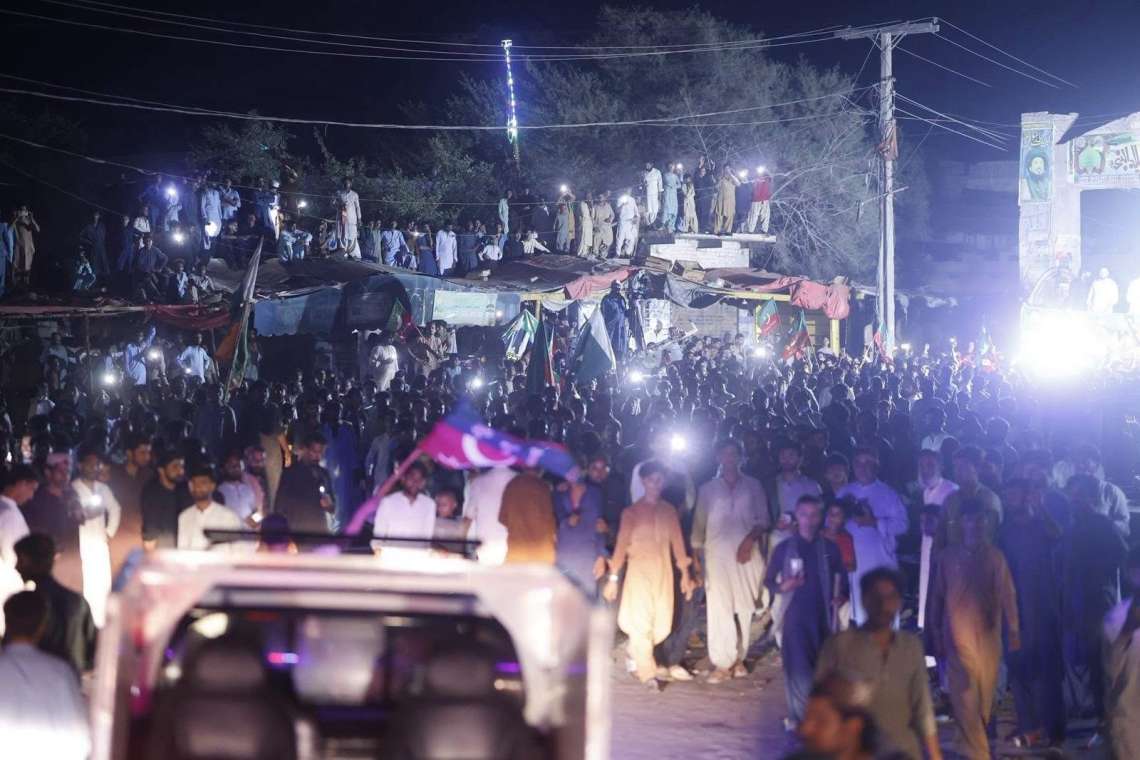
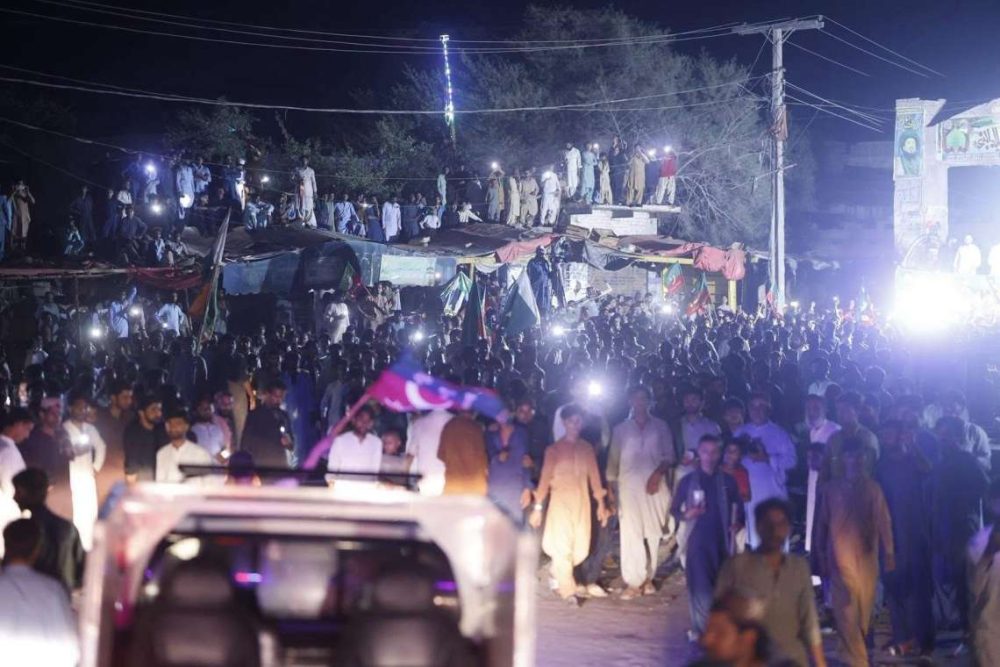
Activists have called on the UN Human Rights Council to launch an independent investigation into alleged rights violations and the treatment of protesters in Pakistan administered Jammu and Kashmir, as concerns over the region were raised during the ongoing 63rd session of the council.
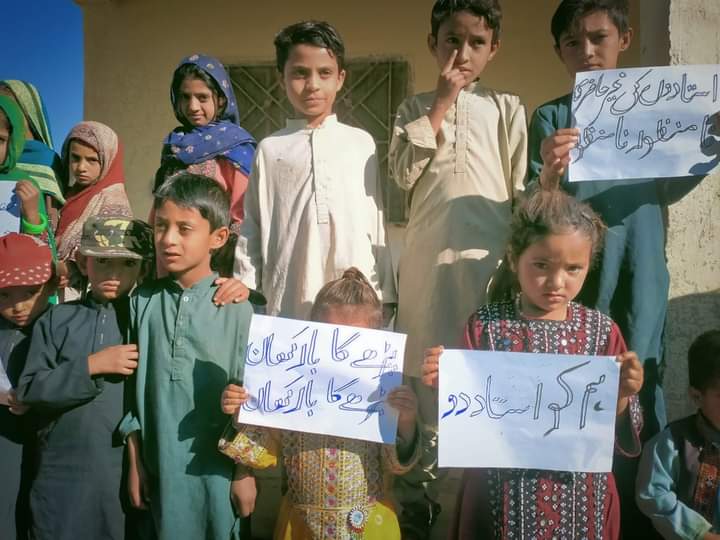
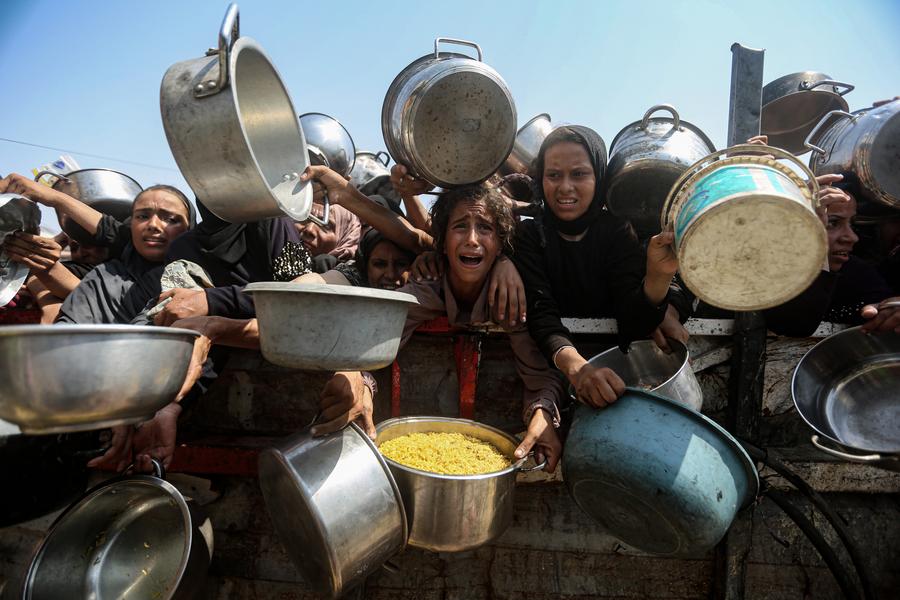
In an oral statement, social activist Harleen Kour said people in the region had been protesting for months over demands including food, electricity, employment, infrastructure and political representation.
She alleged that the protests had been met with excessive force, arbitrary detentions, communication blackouts and the use of anti terror laws against peaceful groups.
“This Council cannot remain silent while fundamental human rights are violently suppressed,” she told the Council, alleging extrajudicial killings and mass detentions.

Kour also raised concerns over economic conditions, saying resources extracted from the region benefited external interests while local communities faced inflation, unemployment and inadequate infrastructure.
She urged the UNHRC to establish an independent fact finding mission to investigate reported civilian deaths, detentions and the alleged use of excessive force. She also called for an end to security crackdowns, restoration of communications and digital access, and protection for political activists and local leaders.
The issue was also discussed at a side event at the Geneva Press Club on September 23 titled “Empowering Tomorrow: Youth Innovation, Gender Equality and the Transition to Peace (in Jammu and Kashmir)”. The event was organised by the Shivi Development Society on the sidelines of the 63rd UNHRC session.
Speakers at the event discussed the changing aspirations of young people in Jammu and Kashmir, the role of women and efforts to move from conflict towards education, entrepreneurship and development.
Social activist Tehmina Rizvi discussed gender equality and cited figures relating to women led self help groups, political representation, literacy, startups and youth demographics, arguing that such trends could contribute to sustainable peace and inclusive development.
Seerat Gowhar Mir said Jammu and Kashmir had moved “from stone pelting to ballots”, pointing to voter participation and greater access to education, technology and economic opportunities. She said political disagreement was an integral part of democracy.
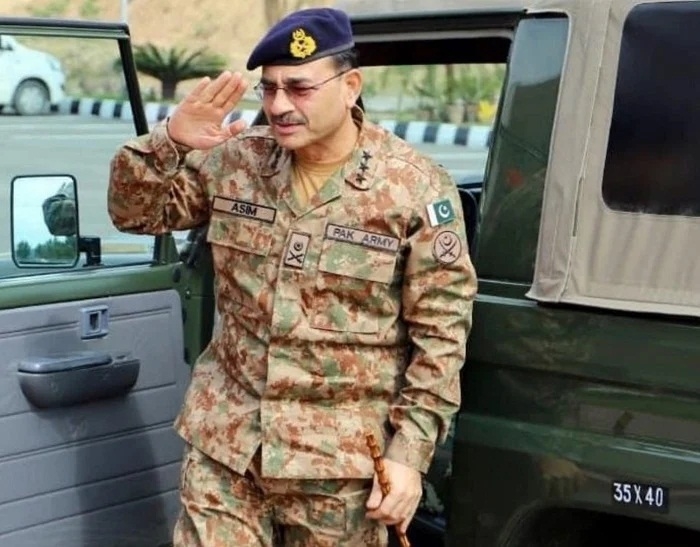
Farooq Ganderbali, President of Voice for Peace & Justice, attributed delays in development in Jammu and Kashmir to what he described as Pakistan sponsored terrorism and extremism. He also highlighted achievements by Kashmiri youth in sports and called for condemnation of alleged abuses by Pakistani forces during recent protests in Pakistan administered Jammu and Kashmir.
Author and columnist Sheikh Minhaj said young Kashmiris were increasingly focused on education, technology, entrepreneurship and economic opportunities. He said peace should involve the presence of opportunity rather than simply the absence of violence.
World Sindhi Congress leader Hidayat Bhutto raised concerns over what he described as the erosion of Kashmir’s distinct language, culture and history, while recalling its tradition of communal harmony.
Bhutto also alleged that terrorism and violence had affected Khyber Pakhtunkhwa and Balochistan, and called for greater solidarity among communities facing human rights and cultural concerns.
The 63rd session of the UN Human Rights Council is being held in Geneva from September 7 to October 7.