Humanitarian agencies continue to face interference, conflict-related risks and restrictions on women’s participation in relief work….reports Asian Lite News Desk
The UN Office for the Coordination of Humanitarian Affairs (OCHA) reported that humanitarian partners documented 30 incidents during the month, a 27 per cent decline from August. However, the agency cautioned that the decrease did not necessarily indicate an improvement in conditions, as some incidents may have gone unreported.
According to local media outlet Khaama Press, 18 of the incidents recorded in September involved interference in humanitarian activities, while four were linked to physical constraints on access.
Military operations, ongoing conflict, violence against humanitarian personnel and the detention of aid workers were among the other obstacles affecting relief efforts.
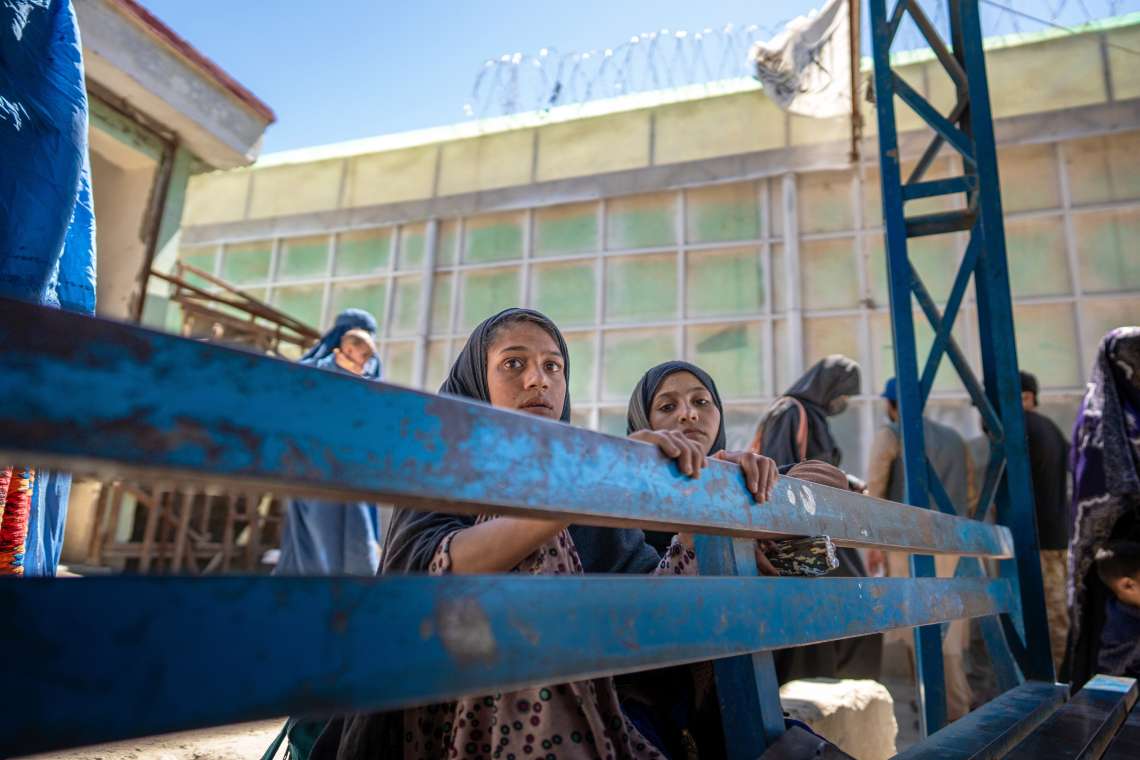
OCHA said four districts in Afghanistan faced severe restrictions on humanitarian access. Administrative and programme-related interference, alongside restrictions on female aid workers and women receiving assistance, were among the main factors contributing to the situation.
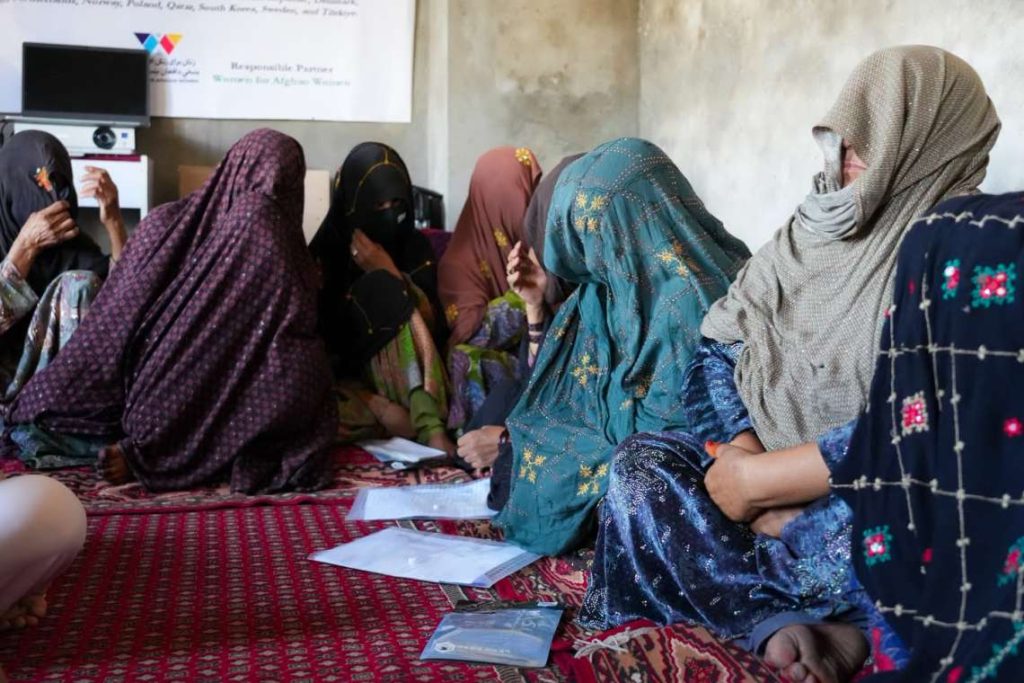
Restrictions on women’s participation in humanitarian operations have made it more difficult for aid agencies to reach women and other vulnerable people in need of assistance. The limitations also pose challenges for organisations seeking to deliver support in line with local cultural practices and humanitarian principles.
Despite the decline in reported incidents, OCHA’s findings indicate that humanitarian organisations continue to face operational barriers that can delay or disrupt the delivery of essential assistance.
Also Read: Millions at Risk as Afghanistan’s Food Crisis Deepens
The restrictions come amid wider international concern over the treatment of women and girls under Taliban rule, including limitations on their employment and participation in public life.
Last month, United Nations Secretary-General Antonio Guterres expressed deep concern over what he described as continuing discriminatory policies imposed by the Taliban on Afghan women and girls. He also renewed his call for the immediate reversal of the ban on Afghan women working for the United Nations and for them to be guaranteed safe and unhindered access to UN premises throughout Afghanistan.
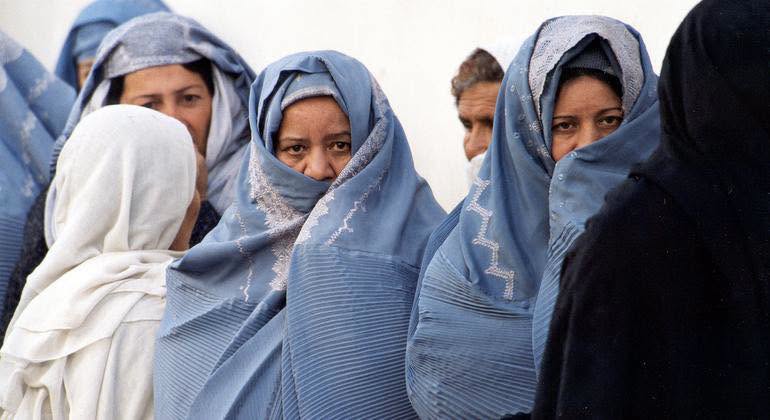
“These restrictions are contrary to international law, including the UN Charter, and undermine the organisation’s capacity to carry out its mandate and deliver life-saving and other assistance to the Afghan people at a time when needs remain high.”
Guterres stressed that unrestricted access for UN personnel was essential to carrying out the organisation’s work and reaching vulnerable communities, particularly women and girls.
“Unhindered access for all United Nations personnel to their places of work is critical to fulfil our mandate, and to reach and support vulnerable people, especially women and girls, in accordance with cultural practices. Ensuring that women can deliver humanitarian assistance and essential services to women and girls is critical to an effective and principled response,” Guterres added.
The UN continues to call for the removal of restrictions that prevent women from participating fully in humanitarian operations, warning that their involvement is vital to ensuring assistance reaches those who need it most.