Social media and access to reliable knowledge is also highlighted as a barrier to progress…reports Asian Lite News.
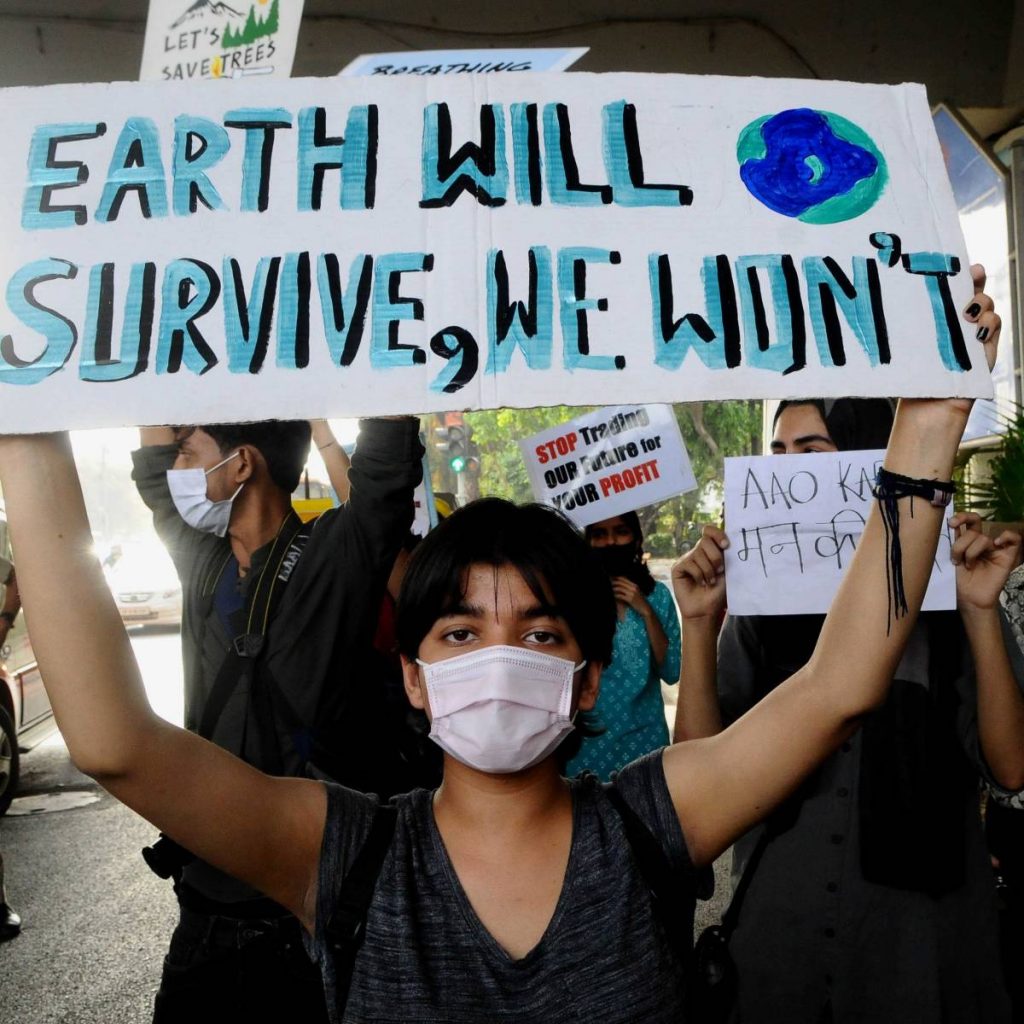
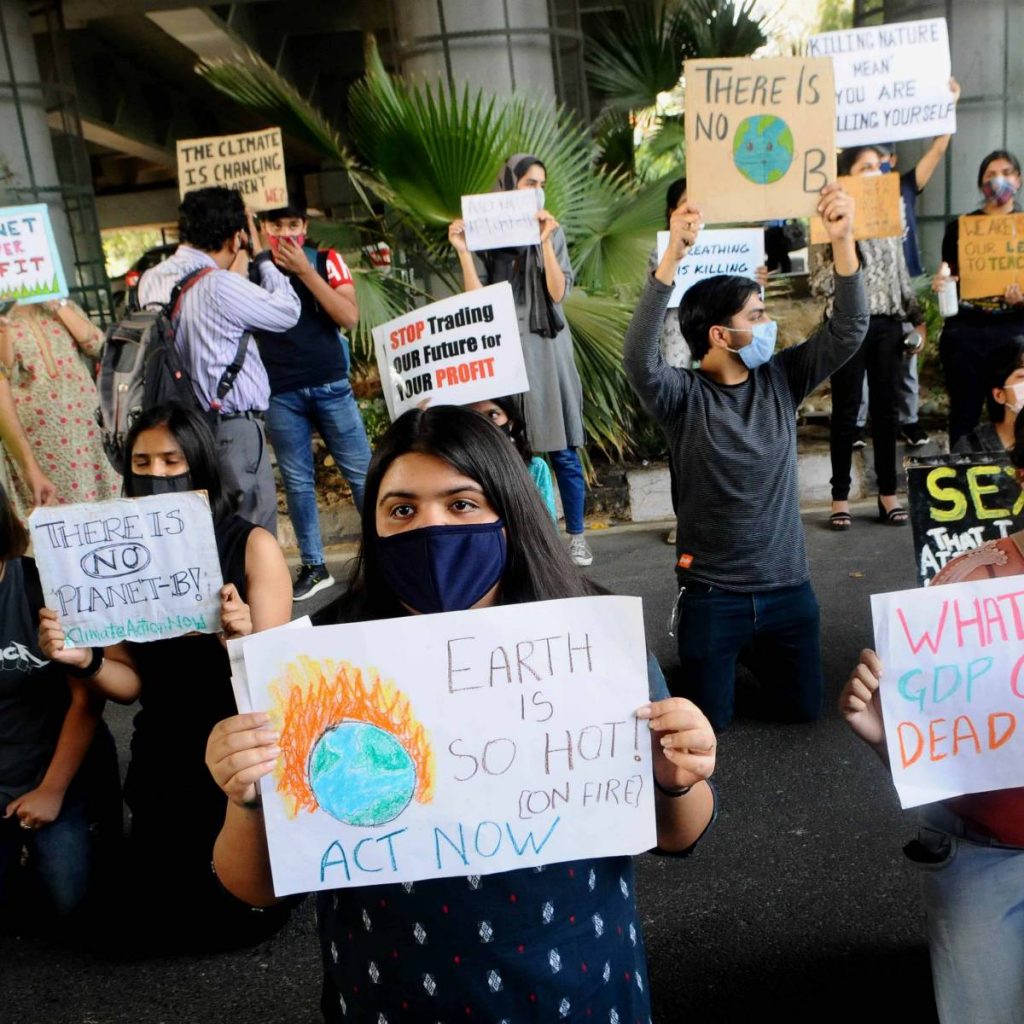
While technologies such as Artificial Intelligence (AI) could help the world deal with dangerous climate and environmental change, fake news on social media about global warming and biodiversity loss has emerged as a barrier in the climate change mitigation efforts, a group of scientists has warned.
The report, published in Ambio, a journal of the Royal Swedish Academy of Sciences, concludes that inequality and environmental challenges are deeply linked. Reducing inequality will increase trust within societies.
Trust is essential for governments to make long-term decisions, the report argues.
Social media and access to reliable knowledge is also highlighted as a barrier to progress.
“As the pressure of human activities accelerates on Earth, so too does the hope that technologies such as artificial intelligence will be able to help us deal with dangerous climate and environmental change,” said Co-author Victor Galaz, Deputy Director of the Stockholm Resilience Centre.
“That will only happen however, if we act forcefully in ways that redirects the direction of technological change towards planetary stewardship and responsible innovation.”
Human actions are threatening the resilience and stability of Earth’s biosphere — the wafer-thin veil around Earth where life thrives, according to the report published for the first Nobel Prize Summit, a digital gathering to be held in April to discuss the state of the planet in the wake of the Covid-19 pandemic.
“In a single human lifetime, largely since the 1950s, we have grossly simplified the biosphere, a system that has evolved over 3.8 billion years. Now just a few plants and animals dominate the land and oceans,” said lead author Carl Folke, Director of the Beijer Institute of Ecological Economics and Chair of the Stockholm Resilience Centre at Stockholm University.
“Our actions are making the biosphere more fragile, less resilient and more prone to shocks than before.”
Also Read-China, US join hands on climate change