December 14, 2021
3 mins read

Putin briefs Boris about Ukrainian situation

PM expressed concern over the alleged large-scale movement of Russian troops along the Ukrainian borders, the Kremlin said in a statement on Monday, reports Asian Lite News

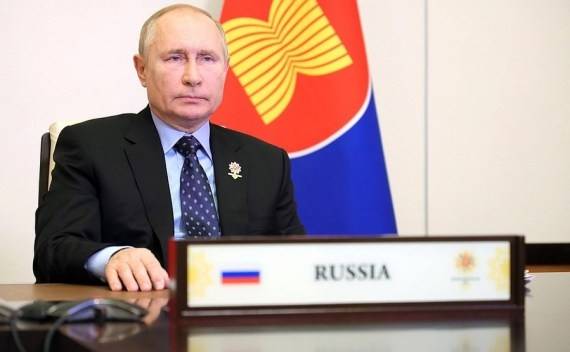
Russian President Vladimir Putin informed British Prime Minister Boris Johnson of his assessments of the current situation in Ukraine during a phone call.

Johnson expressed concern over the alleged large-scale movement of Russian troops along the Ukrainian borders, the Kremlin said in a statement on Monday.

Putin gave Johnson specific examples of how authorities in Kiev undermined the implementation of the Minsk agreements, “which are an uncontested basis for resolving the internal crisis in Ukraine.”

The Russian President also pointed to the “discrimination against the Russian-speaking population” in Ukraine.

He underlined the need to immediately begin negotiations on clear and internationally legal agreements against the North Atlantic Treaty Organisation’s further eastward expansion and against the deployment of weapons in Russia’s neighbours, primarily Ukraine.

The Russian side will present draft documents on this issue, Putin added.

“It was underlined that all this is happening against the background of active military ‘expansion’ on the territory of Ukraine by NATO countries creating a direct threat to the security of Russia,” the Kremlin said.

US intelligence assesses that Russia could be planning a multifront offensive on neighbouring Ukraine as early as next year, involving up to 175,000 soldiers.

The Kremlin denies it plans to invade and says the West is gripped by Russophobia. Moscow says the expansion of NATO threatens Russia and has contravened assurances given to it as the Soviet Union collapsed in 1991.

On its part, Downing Street said Johnson told Putin of his “deep concern” at the Russian troop build-up on Ukraine’s border.

He “reiterated the importance of working through diplomatic channels to de-escalate tensions and identify durable solutions”, the British government statement said.

“The prime minister emphasised the UK’s commitment to Ukraine’s territorial integrity and sovereignty, and warned that any destabilising action would be a strategic mistake that would have significant consequences.”

Johnson’s intervention comes after a two-day meeting of the G7 in which the grouping’s top diplomats warned Moscow of “massive consequences” if it invades the former Soviet state.

Also on Monday, European foreign ministers slapped sanctions on Russia’s private military company Wagner, blacklisting eight individuals and three companies associated with the group that is believed to be serving the Kremlin’s efforts to “destabilise” Ukraine, Syria, Libya and several African countries.

Next, the EU ministers signalled their readiness to impose huge new measures targeting Russia’s economy if Russia goes ahead with direct military action.

“Allow me to say, once again, firmly that the European Union is standing united in support of Ukraine’s sovereignty and territorial integrity,” EU foreign policy chief Josep Borrell said.

Zelensky, Macron hold talks

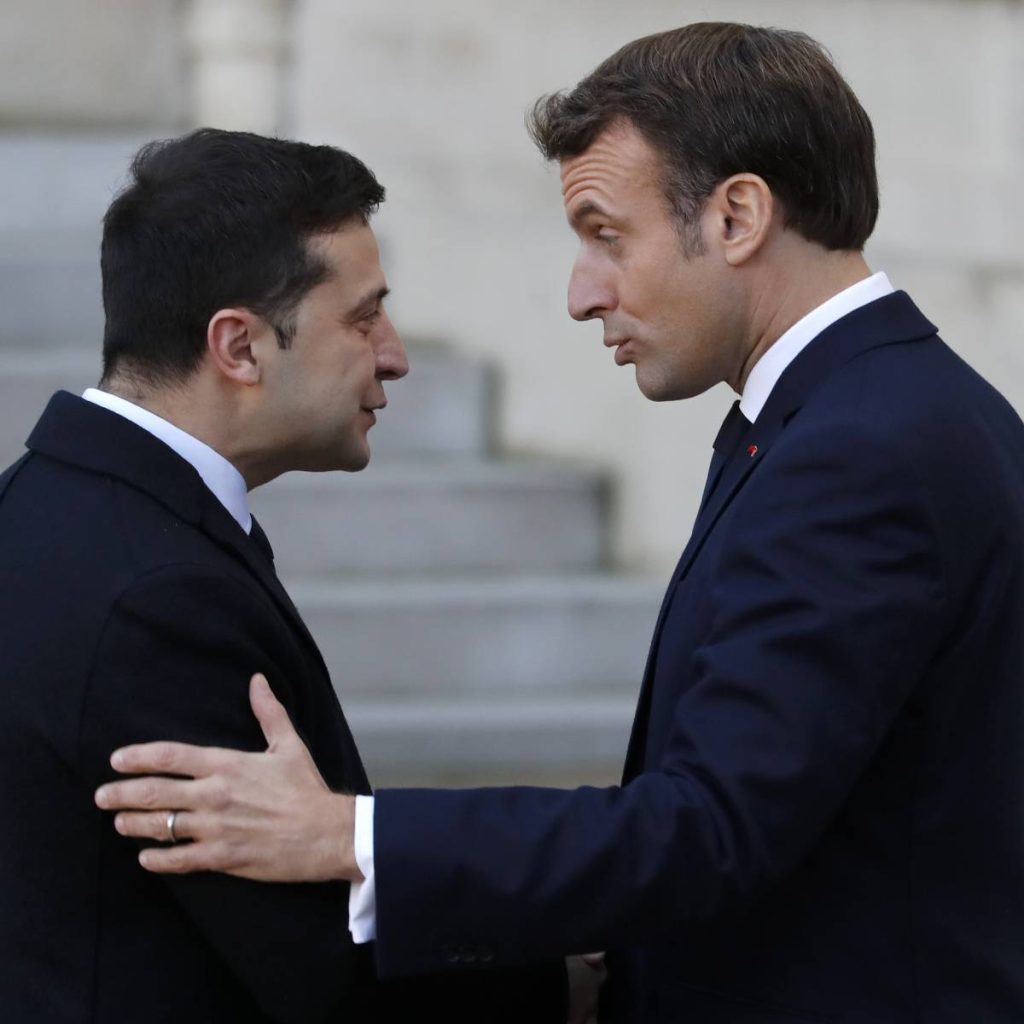
Meanwhile, on Monday Ukrainian President Volodymyr Zelensky held a phone conversation with his French counterpart Emmanuel Macron to discuss his country’s security situation.

During the talks, the two leaders discussed the ways to unlock the negotiation process in the Normandy format, designed to end the conflict in Ukraine’s eastern region of Donbas through diplomatic means.

Zelensky said that Kiev stands ready to continue active work within the Normandy Four, which comprises Ukraine, France, Russia and Germany.

Zelensky and Macron stressed the need to resume the effective functioning of the Trilateral Contact Group (TCG) to achieve an effective ceasefire, the release of hostages and the opening of the checkpoints in Donbas.
The TCG, consisting of representatives from Ukraine, Russia and the Organization for Security and Cooperation in Europe, was formed to facilitate a diplomatic solution to the conflict in Donbas.

On Thursday, Zelensky held a telephone conversation with his American counterpart Joe Biden to discuss the security situation around Ukraine and the prospects for intensifying the peaceful settlement in Donbas.

It is reported that Zelensky will meet Macron on December 15 in Brussels.

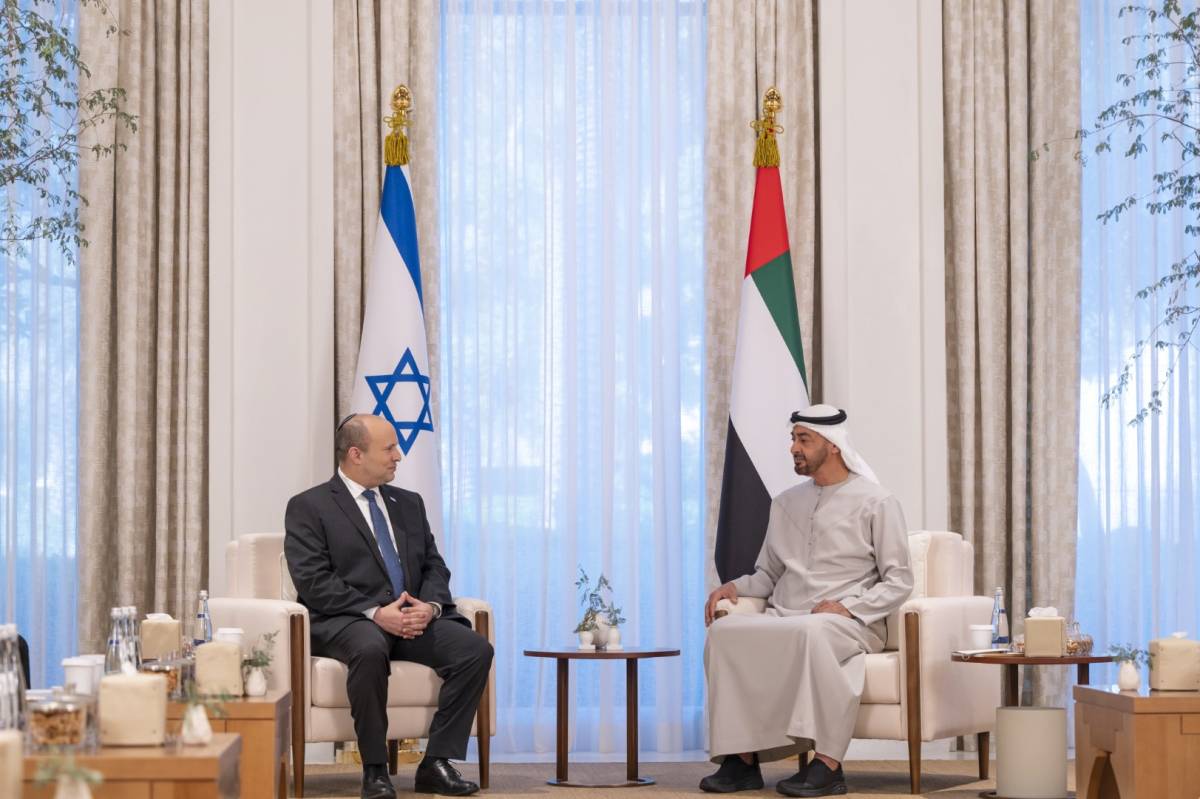
ALSO READ-Mohamed bin Zayed, Israeli PM hold talks
Previous Story

Mohamed bin Zayed, Israeli PM hold talks
Next Story

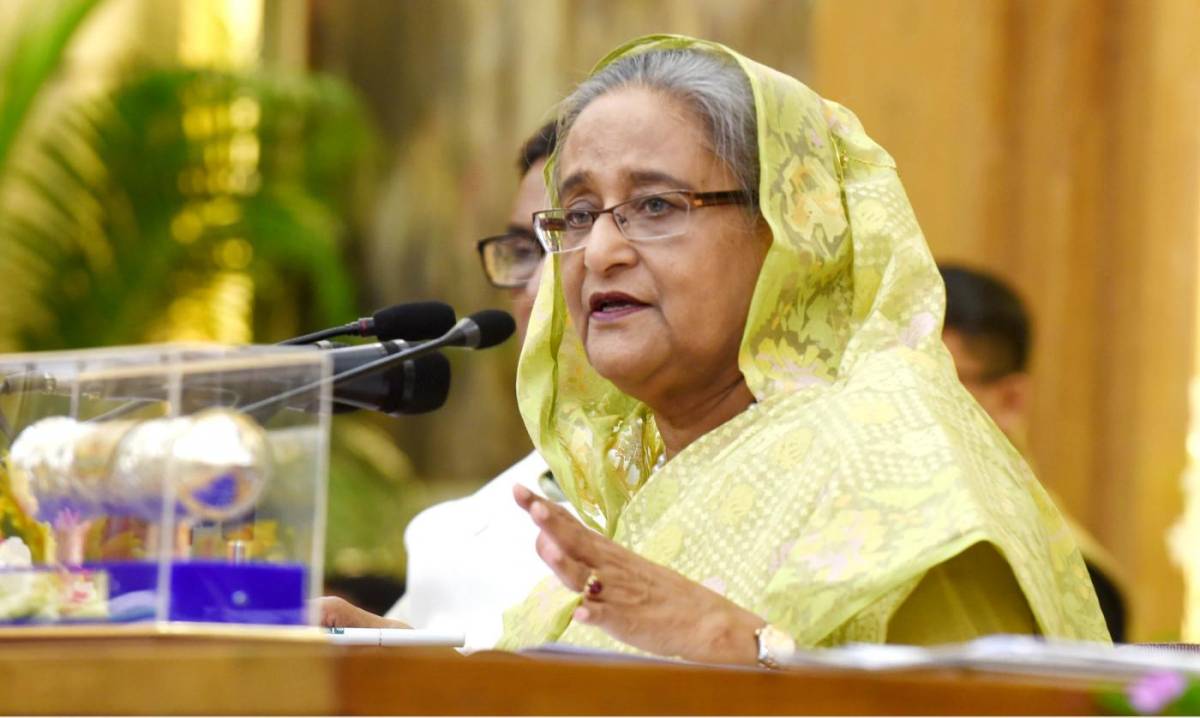
Hasina recalls reign of terror in B’desh

Previous Story

Mohamed bin Zayed, Israeli PM hold talks
Next Story

Hasina recalls reign of terror in B’desh

Latest from -Top News

Pakistan Risks Overstretching Itself in Yemen War

Pakistan’s expanding military role in Saudi Arabia amid the Yemen conflict could strain its defence resources and fragile finances…reports Asian Lite News Desk Pakistan’s military involvement in the war in Yemen may prove unsustainable because of mounting financial pressures and competing security demands, according to a new report. Islamabad’s growing military presence in Saudi Arabia risks stretching its defence resources while exposing the country to greater strategic and economic challenges. An article by Andrew Wilson in One World Outlook describes Pakistan’s involvement as a case of “fiscal and strategic overreach”, arguing that the country lacks the financial flexibility to sustain an expanded military commitment. Pakistan’s external finances depend heavily on an International Monetary Fund (IMF) programme, financial support from Gulf countries and remittances from Pakistani workers in the region. The report argues that deeper military involvement in the conflict could place additional pressure on these sources of financial stability. It also warns that deploying troops and military equipment abroad could weaken Pakistan’s capacity to address security challenges along its eastern border and deal with two domestic insurgencies. The move could also draw Islamabad into a conflict it has sought to approach cautiously. A Reuters report in May, citing Pakistani security and government sources, said Islamabad had deployed around 8,000 troops, a squadron of approximately 16 aircraft, mostly JF-17 fighter jets, two drone squadrons and a Chinese HQ-9 air-defence battery to Saudi Arabia. According to those sources, Riyadh was financing the deployment, with Pakistani personnel operating the equipment. The sources also said a confidential agreement contemplated the possibility of deploying up to 80,000 troops. Islamabad has not confirmed those figures, although it has acknowledged its military presence in Saudi Arabia, including the deployment of fighter jets at King Abdulaziz Air Base from April. The One World Outlook article argues that Saudi financial support can cover allowances and operating expenses but cannot easily replace military equipment needed elsewhere or resolve the political and strategic challenges of participating in the Yemen conflict. Pakistan’s defence budget is another concern. For the 2026-27 financial year, the federal government allocated PKR 3 trillion, or approximately $10.8 billion, to defence services. The allocation represents an 18 per cent increase from the original PKR 2.55 trillion provision and amounts to around 2.1 per cent of projected gross domestic product (GDP). Defence spending accounts for approximately 16 per cent of the federal government’s PKR 18.8 trillion expenditure. Military pensions are budgeted separately at PKR 822 billion, while debt servicing costs stand at approximately PKR 8 trillion, more than two-and-a-half times the defence allocation. The report argues that these competing financial obligations leave little room for additional military expenditure without placing further pressure on public finances. Pakistan’s reliance on IMF assistance also limits its fiscal flexibility. The country must meet the conditions attached to the programme, including a primary budget surplus target of 2 per cent of GDP and continued restraint on development spending. According to the article, these requirements make it difficult for Islamabad to finance an additional military commitment without compromising other budgetary priorities. Pakistan’s economic indicators offer limited reassurance. Economic growth for the 2025-26 financial year is estimated at between 3.6 and 3.7 per cent, while inflation reached approximately 10.3 per cent in September following an energy price shock. Foreign exchange reserves stood at around $21.5 billion at the end of September. Although this marks an improvement from the low levels recorded in 2023, the report notes that the reserves cover only a few months of imports. Financial assistance from Gulf partners remains central to Pakistan’s external stability. The article says Islamabad holds approximately $8 billion in Saudi deposits at its central bank. In July, the State Bank of Pakistan said Riyadh had extended the maturity of $5 billion in deposits to December 2028, easing the country’s immediate external financing requirements. A further $3 billion deposit was also extended in the spring. However, the article argues that these arrangements provide temporary relief rather than long-term financial independence, particularly as regional conflict threatens the stability of the Gulf economies on which Pakistan relies. The report concludes that Pakistan faces a difficult balance between supporting Saudi Arabia militarily and preserving the financial and military resources needed to address its domestic and regional challenges.

UK and Germany Ratify Kensington Treaty

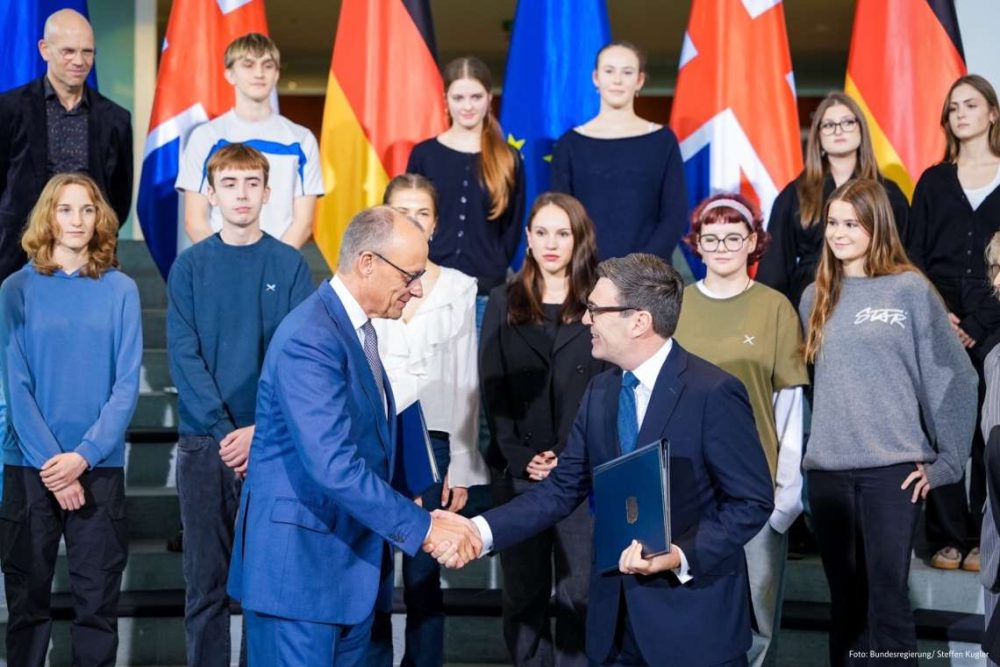
Britain and Germany ratify the Kensington Treaty, agreeing new cooperation on AI, quantum research, defence and security while targeting investment, jobs and Russian hybrid threats…reports Asian Lite News Desk Britain and Germany

Economic tide is turning in Bangladesh

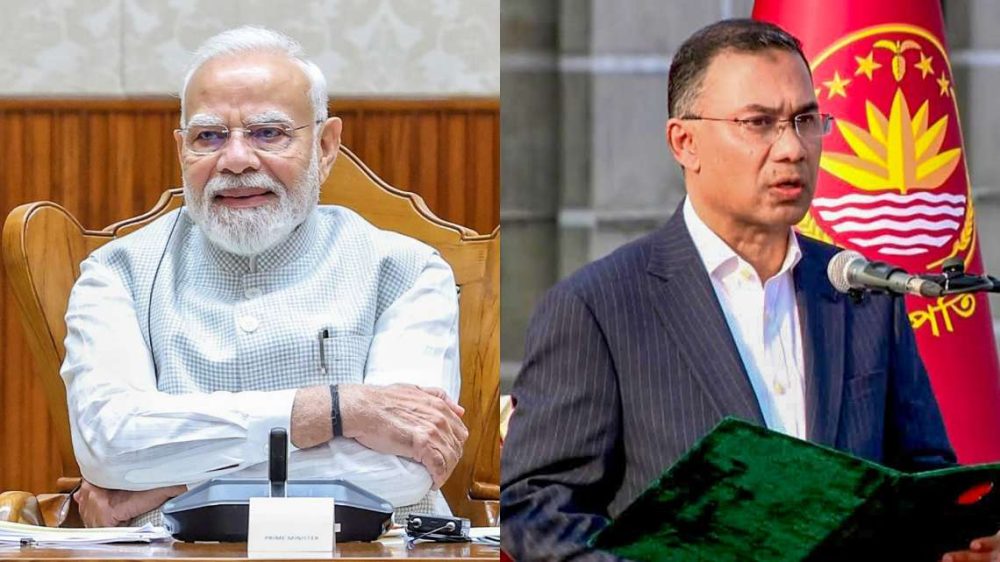
If there is one thing that can bring some comfort to the struggling Bangladeshi economy, it is good relations with India. Bangladesh should remember that Delhi’s backing, through easy supplies of essentials
Go toTop

Don't Miss

COP28 President-designate meets with Macron

Dr. Al Jaber’s trip to Paris built upon the strong

Dead Man Walking at No10

Given the British public’s now overwhelming disapproval of Johnson, pressure