April 27, 2021
4 mins read

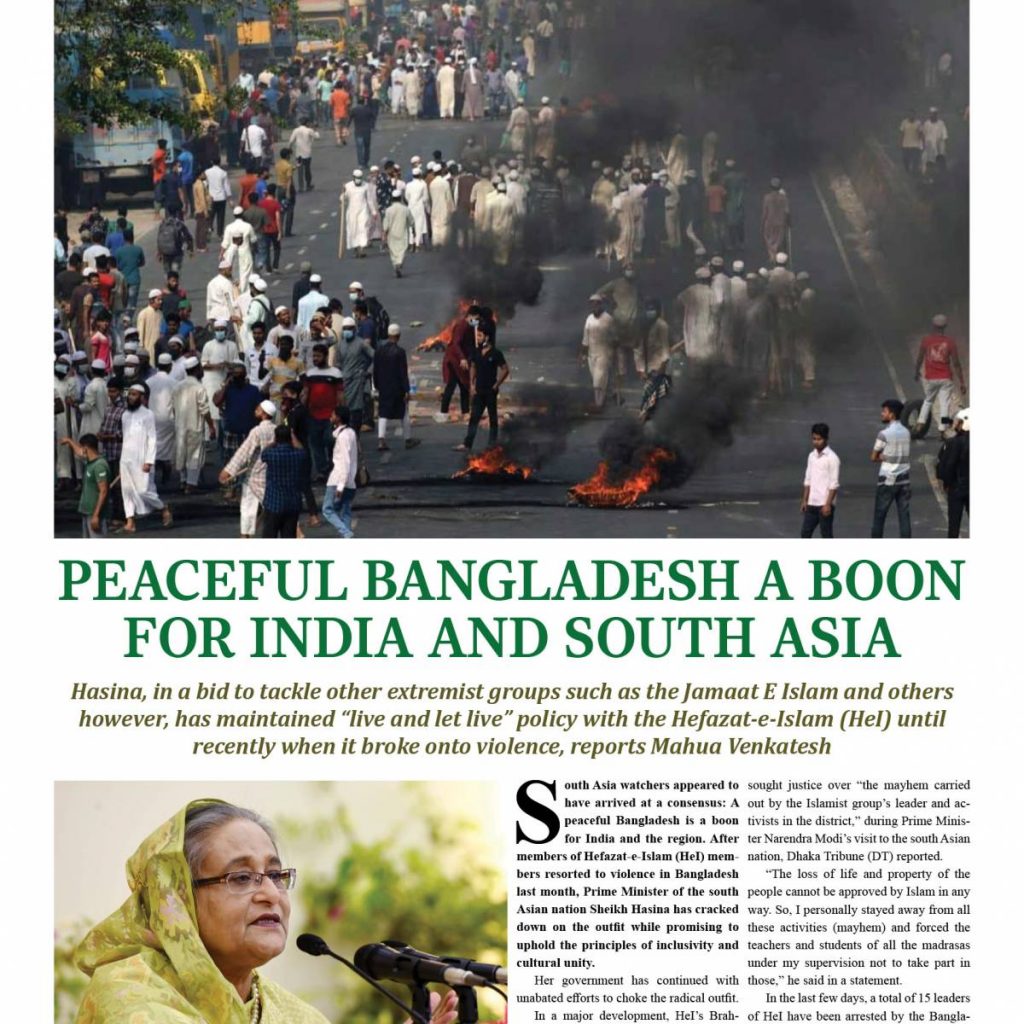
Peaceful Bangladesh a boon for India and South Asia

Hasina, in a bid to tackle other extremist groups such as the Jamaat E Islam and others however, has maintained “live and let live” policy with the Hefazat-e-Islam (HeI) until recently when it broke onto violence, reports Mahua Venkatesh

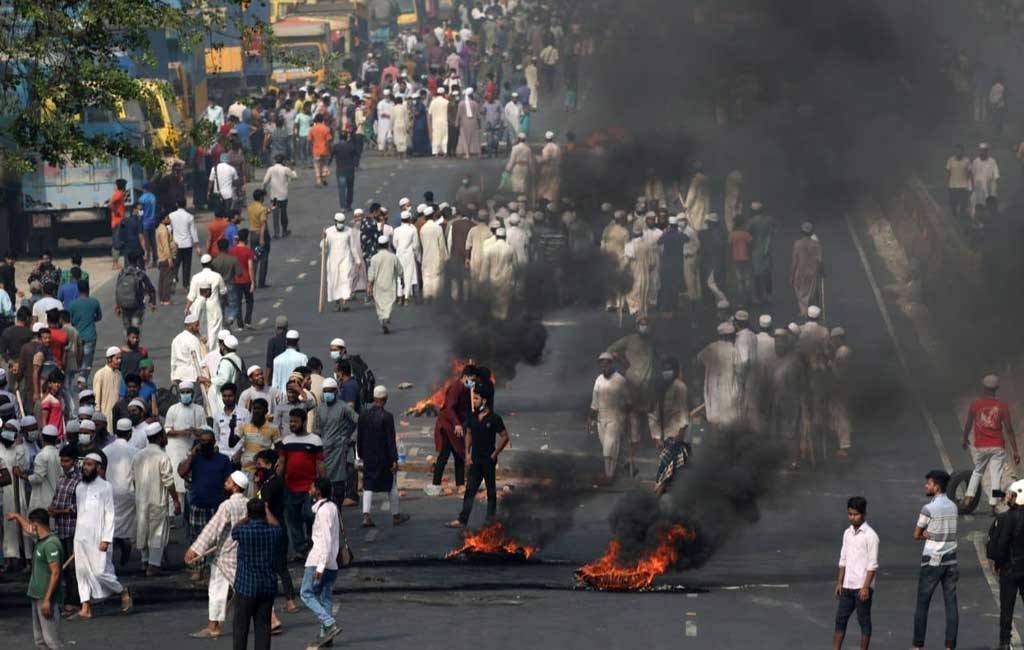
South Asia watchers appeared to have arrived at a consensus: A peaceful Bangladesh is a boon for India and the region. After members of Hefazat-e-Islam (HeI) members resorted to violence in Bangladesh last month, Prime Minister of the south Asian nation Sheikh Hasina has cracked down on the outfit while promising to uphold the principles of inclusivity and cultural unity.

Her government has continued with unabated efforts to choke the radical outfit.

In a major development, HeI’s Brahmanbaria District Unit Joint Secretary Mufti Abdur Rahim Qasemi resigned as he sought justice over “the mayhem carried out by the Islamist group’s leader and activists in the district,” during Prime Minister Narendra Modi’s visit to the south Asian nation, Dhaka Tribune (DT) reported.
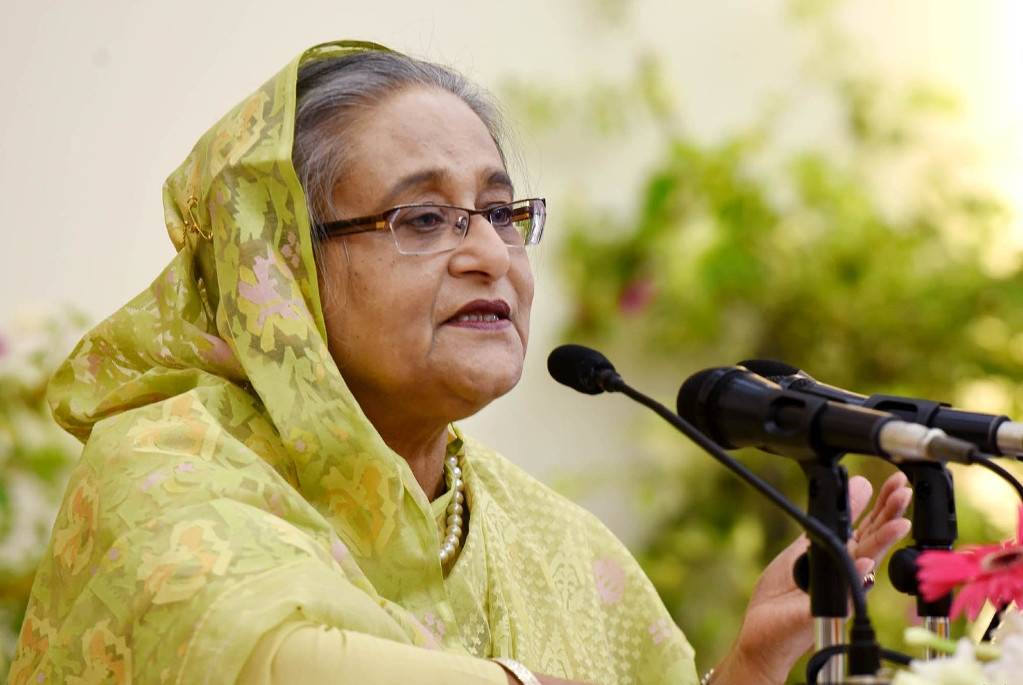
Bangladesh PM Sheikh Hasina

“The loss of life and property of the people cannot be approved by Islam in any way. So, I personally stayed away from all these activities (mayhem) and forced the teachers and students of all the madrasas under my supervision not to take part in those,” he said in a statement.

In the last few days, a total of 15 leaders of HeI have been arrested by the Bangladesh authorities.

Also read:Bangladesh closes border with India

Not only have intelligence reports shown that HeI members have been actively involved in the violence in Bangladesh which coincided with Prime Minister Narendra Modi’s visit, a few arrested members of the outfit have also confessed.

The Bangladesh based Daily Star, in an article published in its Bengali section, noted that HeI has been attempting to bring down the Hasina government. The outfit also wants to make Bangladesh much like Pakistan and Afghanistan.
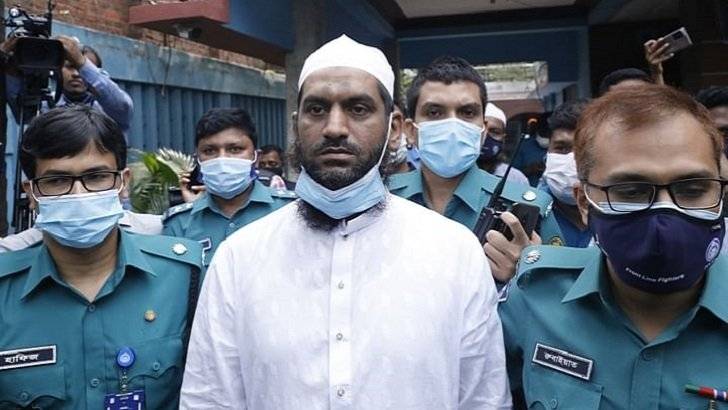
Hasina has been cracking down on radical forces

“In the years since, and against the odds, Bangladesh has prospered. And while Pakistan has remained fixated with India, Bangladesh hasn’t manifested similar obsession vis-�-vis Pakistan, despite having borne unspeakable atrocities,” the Spectator �a British weekly magazine�in a report last month said.

However, the report also said the “Bengali identity, forming the basis of Bangladesh as a separate nation, rooted in millennia of Indic pluralism and religious co-existence, continues to be attacked by the perpetrators and collaborators of the 1971 genocide.”
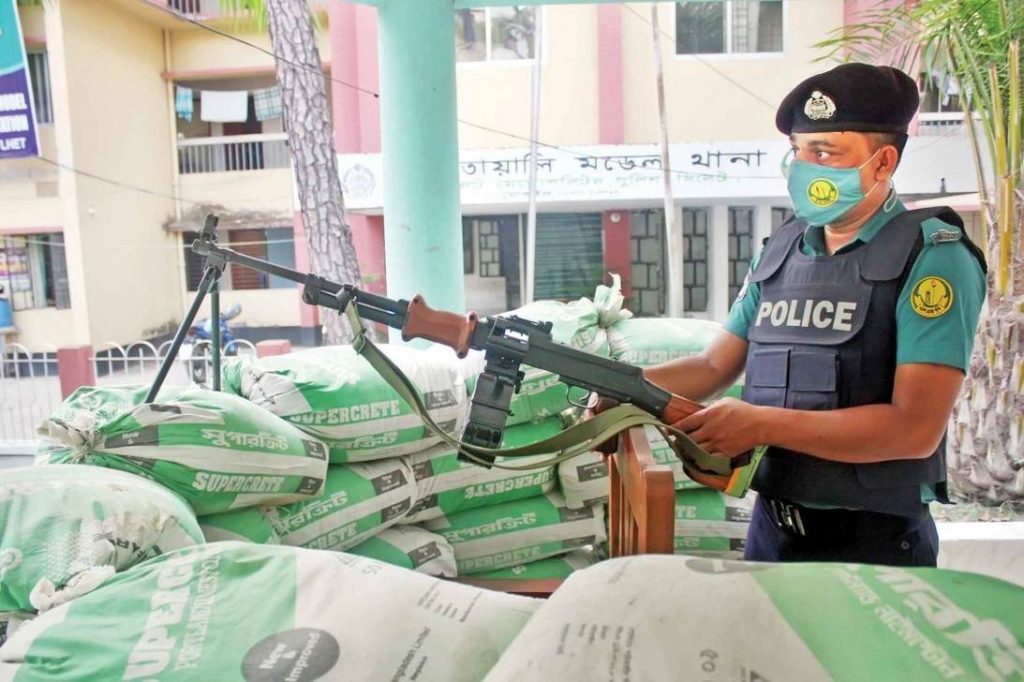
Bangladesh police

“Weeding out of extremism in the region is absolutely essential for the development of India and the south Asian nations. There have been various radical elements that are working to destabilise development and peace in the region,” Pinak Ranjan Chakravarty, visiting fellow at ORF and a former ambassador told India Narrative.

HeI, as a group also controls most of the madrassas in the country.

Also read:HIB: The rise of new extremist entity in Bangladesh

“The recent crackdown comes as a boon for India, as extremist elements have the potential to create discord with the country, especially in the eastern and northeastern region. At a time when the geopolitical structure of the region is changing fast, it is key that India keeps a close watch on the developments,” another analyst on condition of anonymity said.
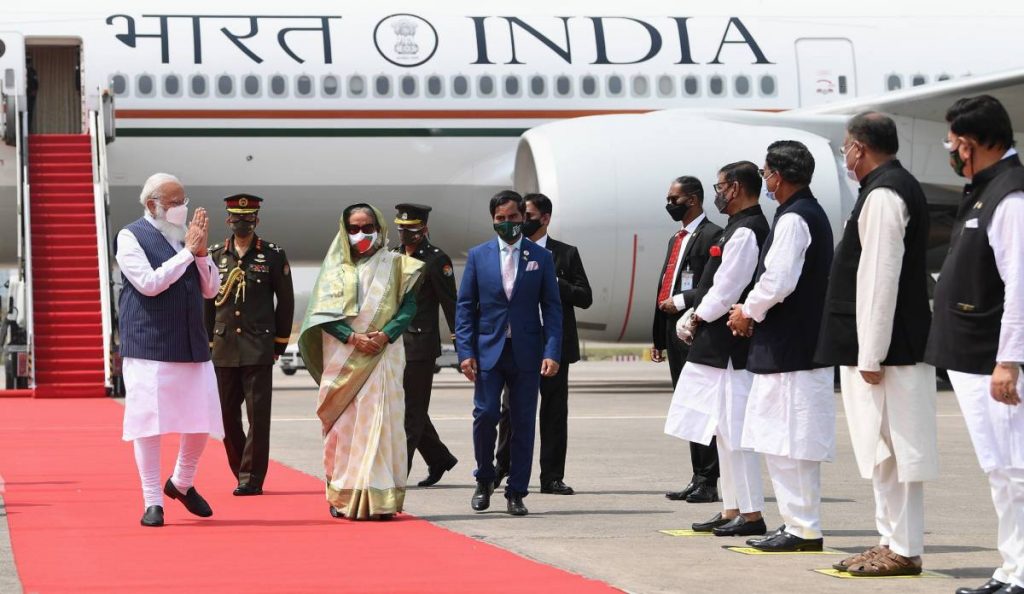
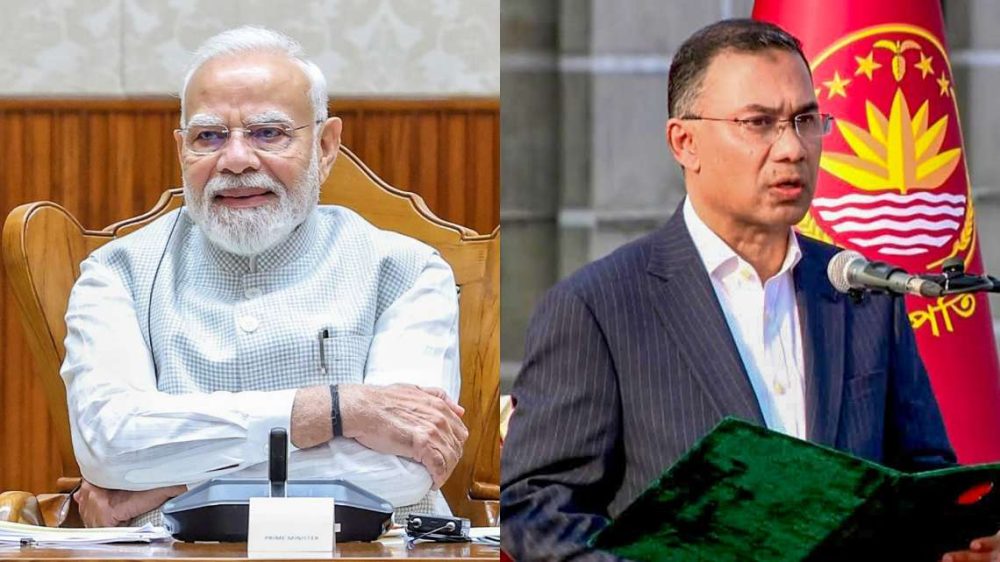
India PM Narendra Modi and Bangladesh PM Sheikh Hasina

Hasina, in a bid to tackle other extremist groups such as the Jamaat E Islam and others however, has maintained “live and let live” policy with the HeI until recently when it broke onto violence.

According to the European Foundation for South Asian Studies (EFSAS), in the early 1990s, the Harkat-ul Jihad al-Islami Bangladesh (HuJI-B) was established with funds from Al-Qaeda. HuJI-B had strong links with the Pakistan-based Lashkar-e-Taiba (LeT) and at the peak of its operations in 2004, the group claimed that up to 15,000 members had been recruited from Madrassas (Islamic religious schools) in Bangladesh and Pakistan, the EFSAS said.
In the Global Terrorism Index by the Sydney-based Institute for Economics and Peace (IEP), the country ranked 33rd out of a total of 163 countries. Though in 2019, Bangladesh was placed 30th and a year earlier grabbed the 25th position, it appears to have stemmed the tide of Islamic terrorism that was threatening the nation of over 161 million in the first decade of the 21st century.

(This content is being carried under an arrangement with indianarrative.com)

Also read: Bangladesh suspends new Covishield doses
Previous Story

Chinese Defence Minister starts B’desh, Sri Lanka visits

Next Story

Madhuri urges to be safe

Previous Story

Chinese Defence Minister starts B’desh, Sri Lanka visits

Next Story

Madhuri urges to be safe

Latest from -Top News

Pakistan Risks Overstretching Itself in Yemen War

Pakistan’s expanding military role in Saudi Arabia amid the Yemen conflict could strain its defence resources and fragile finances…reports Asian Lite News Desk Pakistan’s military involvement in the war in Yemen may prove unsustainable because of mounting financial pressures and competing security demands, according to a new report. Islamabad’s growing military presence in Saudi Arabia risks stretching its defence resources while exposing the country to greater strategic and economic challenges. An article by Andrew Wilson in One World Outlook describes Pakistan’s involvement as a case of “fiscal and strategic overreach”, arguing that the country lacks the financial flexibility to sustain an expanded military commitment. Pakistan’s external finances depend heavily on an International Monetary Fund (IMF) programme, financial support from Gulf countries and remittances from Pakistani workers in the region. The report argues that deeper military involvement in the conflict could place additional pressure on these sources of financial stability. It also warns that deploying troops and military equipment abroad could weaken Pakistan’s capacity to address security challenges along its eastern border and deal with two domestic insurgencies. The move could also draw Islamabad into a conflict it has sought to approach cautiously. A Reuters report in May, citing Pakistani security and government sources, said Islamabad had deployed around 8,000 troops, a squadron of approximately 16 aircraft, mostly JF-17 fighter jets, two drone squadrons and a Chinese HQ-9 air-defence battery to Saudi Arabia. According to those sources, Riyadh was financing the deployment, with Pakistani personnel operating the equipment. The sources also said a confidential agreement contemplated the possibility of deploying up to 80,000 troops. Islamabad has not confirmed those figures, although it has acknowledged its military presence in Saudi Arabia, including the deployment of fighter jets at King Abdulaziz Air Base from April. The One World Outlook article argues that Saudi financial support can cover allowances and operating expenses but cannot easily replace military equipment needed elsewhere or resolve the political and strategic challenges of participating in the Yemen conflict. Pakistan’s defence budget is another concern. For the 2026-27 financial year, the federal government allocated PKR 3 trillion, or approximately $10.8 billion, to defence services. The allocation represents an 18 per cent increase from the original PKR 2.55 trillion provision and amounts to around 2.1 per cent of projected gross domestic product (GDP). Defence spending accounts for approximately 16 per cent of the federal government’s PKR 18.8 trillion expenditure. Military pensions are budgeted separately at PKR 822 billion, while debt servicing costs stand at approximately PKR 8 trillion, more than two-and-a-half times the defence allocation. The report argues that these competing financial obligations leave little room for additional military expenditure without placing further pressure on public finances. Pakistan’s reliance on IMF assistance also limits its fiscal flexibility. The country must meet the conditions attached to the programme, including a primary budget surplus target of 2 per cent of GDP and continued restraint on development spending. According to the article, these requirements make it difficult for Islamabad to finance an additional military commitment without compromising other budgetary priorities. Pakistan’s economic indicators offer limited reassurance. Economic growth for the 2025-26 financial year is estimated at between 3.6 and 3.7 per cent, while inflation reached approximately 10.3 per cent in September following an energy price shock. Foreign exchange reserves stood at around $21.5 billion at the end of September. Although this marks an improvement from the low levels recorded in 2023, the report notes that the reserves cover only a few months of imports. Financial assistance from Gulf partners remains central to Pakistan’s external stability. The article says Islamabad holds approximately $8 billion in Saudi deposits at its central bank. In July, the State Bank of Pakistan said Riyadh had extended the maturity of $5 billion in deposits to December 2028, easing the country’s immediate external financing requirements. A further $3 billion deposit was also extended in the spring. However, the article argues that these arrangements provide temporary relief rather than long-term financial independence, particularly as regional conflict threatens the stability of the Gulf economies on which Pakistan relies. The report concludes that Pakistan faces a difficult balance between supporting Saudi Arabia militarily and preserving the financial and military resources needed to address its domestic and regional challenges.

UK and Germany Ratify Kensington Treaty

Britain and Germany ratify the Kensington Treaty, agreeing new cooperation on AI, quantum research, defence and security while targeting investment, jobs and Russian hybrid threats…reports Asian Lite News Desk Britain and Germany

Economic tide is turning in Bangladesh

If there is one thing that can bring some comfort to the struggling Bangladeshi economy, it is good relations with India. Bangladesh should remember that Delhi’s backing, through easy supplies of essentials
Go toTop

Don't Miss

India again refrains from extending support to China’s BRI

India has said that although connectivity is very important, the

From US Congress to governors, praise for India

US leaders, governors and Bill Gates salute India’s Republic Day,