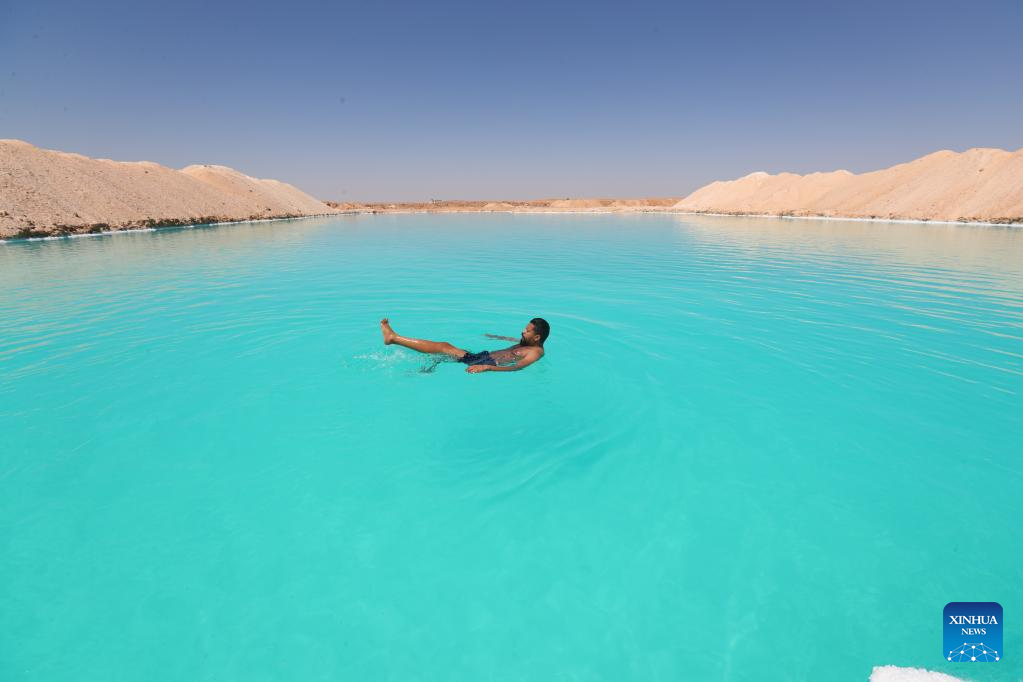
Egypt introduces tourism incentives to ease losses from Russia-Ukraine crisis
Egypt has introduced a package of incentives to attract more tourists to ease the losses caused by the Russia-Ukraine crisis, as according to official statistics, one-third of Egypt’s inbound visitors come from the two countries.
“Egypt has taken swift and positive steps to stimulate the tourism sector, which plays a significant role in the country’s economy,” said Basem Halaqah, chairman of the Egyptian Tourism Syndicate.
Tourism used to account for up to 15 percent of the Gross Domestic Product (GDP) in Egypt before the outbreak of COVID-19 in early 2020, according to official statistics.
In March, Egypt’s Tourism Development Authority launched on social media the tourists-oriented Follow the Sun campaign, which will run through May.
Meanwhile, the Ministry of Tourism and Antiquities organized trips for Egyptian and foreign bloggers to archeological sites in the North African country. Egypt has also expanded the e-visa portal list to cover more than 180 countries.
Ilhamy Al-Zayat, former chairman of the Egyptian Tourism Chamber, said enlarging the electronic entry list will encourage more tourists to come so that at least the costs of operating the tourist facilities could be covered.
Israel and Egypt have agreed to expand direct flights between the two countries by launching a new route between Tel Aviv and Sharm El-Sheikh. The new flights are expected to open this month.
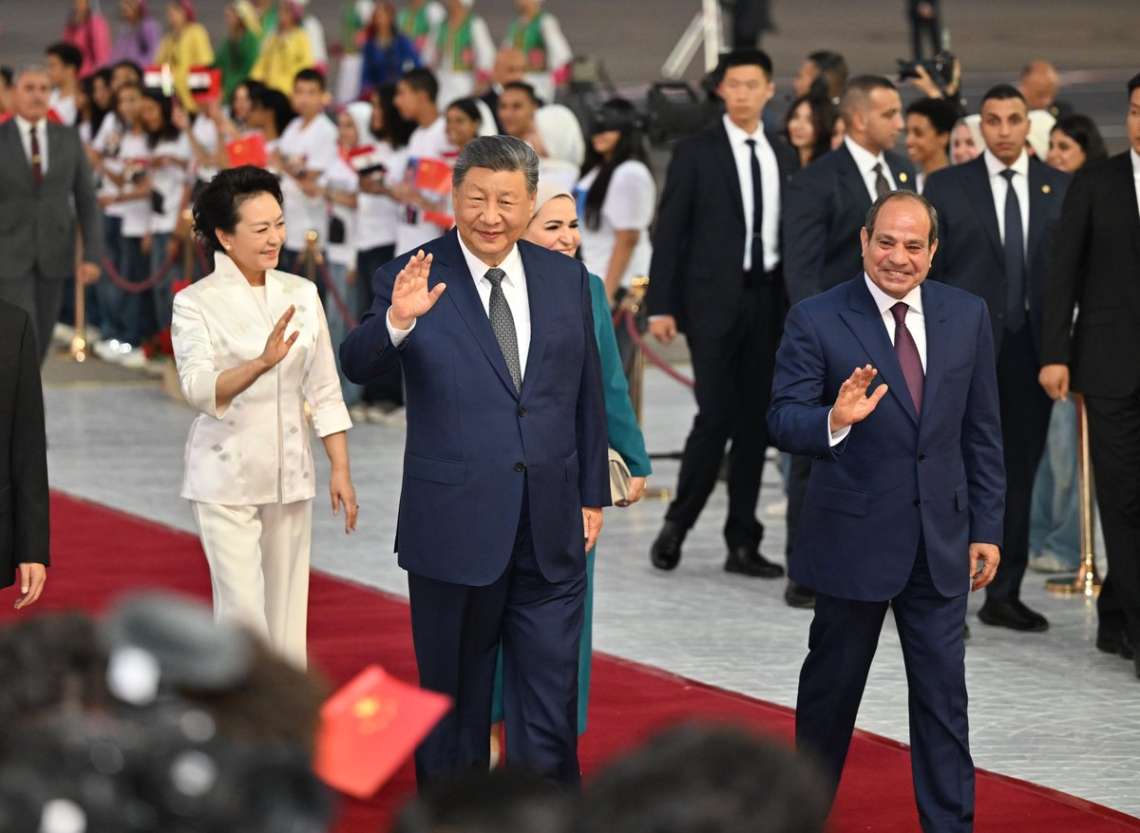
On Saturday, Egyptian President Abdel-Fattah al-Sisi directed the government to continue supporting the tourism sector amid the pandemic and the Russia-Ukraine crisis.
ALSO READ: Digital technology to shore up tourism in Africa
“The loss of Russian and Ukrainian visitors is a big hit to the tourism sector,” Halaqah said, adding campaigns targeting western European and other Arab countries, especially those that are easing travel restrictions, are being carried out for the upcoming tourist season.
However, Al-Zayat warned that the replacement of tourists from Russia and Ukraine is probably not easy in the short run.
Egypt received only 3.5 million tourists in 2020 amid the COVID-19 pandemic, down from a record 13.1 million in 2019.
In 2021, tourism, one of the main sources of foreign currency in Egypt, saw a steady recovery, as 3.5 million tourists already visited the country in the first six months.