August 12, 2022
4 mins read

Anti-Imran purge gathers steam in Pakistan

The TTP had been running riot in Khyber Pakhtunkhwa province, bolstered by the presence of a large number of senior functionaries who were released from prison after the Taliban swept into power in Kabul on August 15 last year…reports Asian Lite News

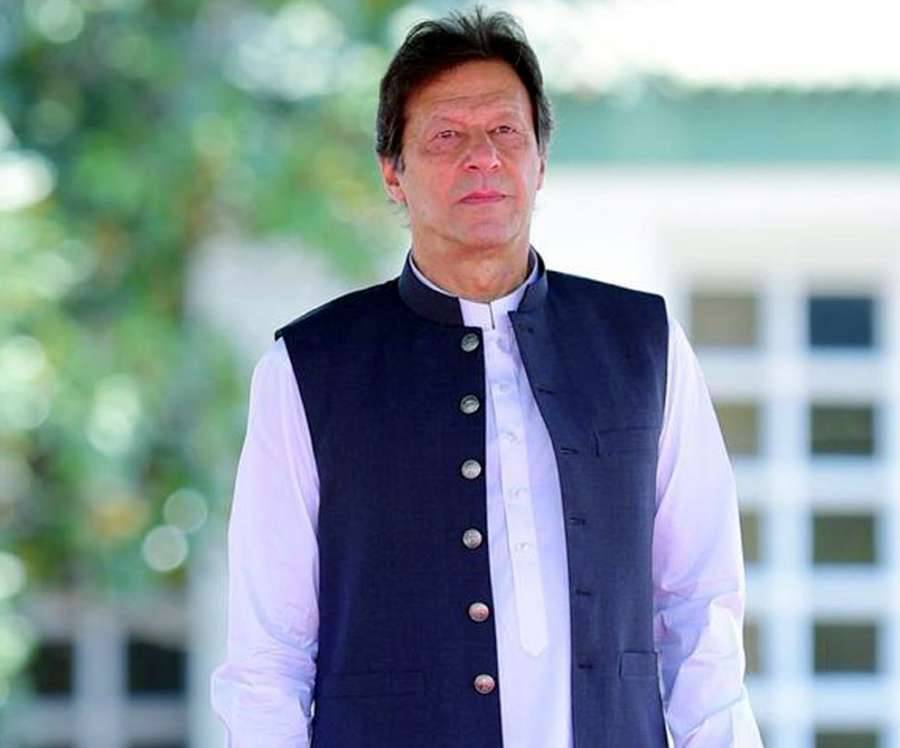
In Pakistan, a frontline state on the gates of Central and West Asia, the stage is set for a massive purge that targets former Prime Minister Imran Khan.

Over the years the former premier had developed powerful nodes of influence in the military, radical Islamist organisations, the media and within civilian state institutions as well as an influential section of the civil society.

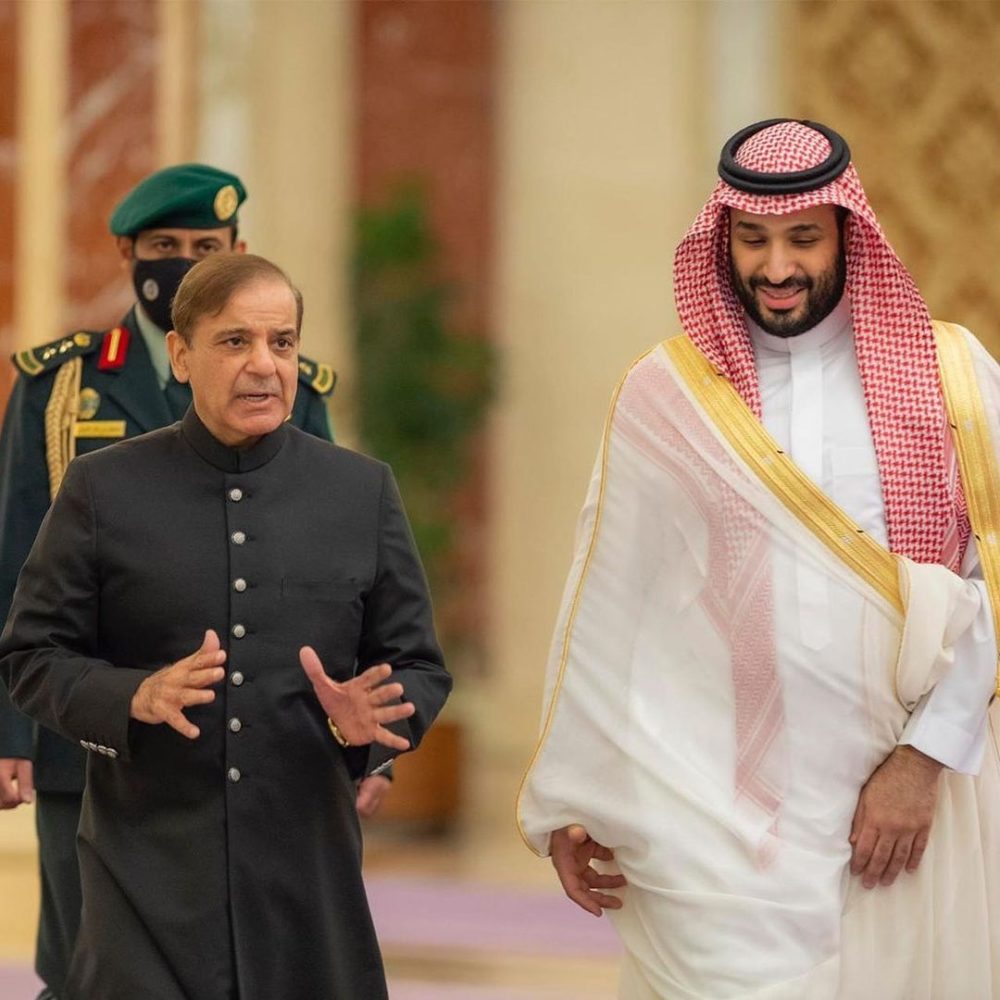
Over the past few days, a focused effort seems to have been launched by a hybrid-combination of the top military brass, personally led by the Army Chief, Qamar Javed Bajwa, and the new government led by Prime Minister Shehbaz Sharif to weed out pro-Imran loyalists from the system.

On Monday, the first clear sign of the purge came when Lt. Gen. Faiz Hameed, known to be close to Khan, was removed as commander of the Peshawar based XI corps and shifted to Bahawalpur. This was Gen. Hameed’s second major transfer. He was earlier removed as the chief of the powerful Inter-Services Intelligence (ISI)-a position that Khan wanted him to occupy. Gen. Hamid was moved to Peshawar. But he was still tasked with a major responsibility-of conducting a dialogue, through tribal intermediaries and the Afghan Taliban, with the Tehreek-e-Taliban Pakistan (TTP) or the Pakistan Taliban.

The TTP had been running riot in Khyber Pakhtunkhwa province, bolstered by the presence of a large number of senior functionaries who were released from prison after the Taliban swept into power in Kabul on August 15 last year.

Hameed’s transfer coincided with a massive IED blast that killed TTP’s top four leaders on Sunday, including top gun Maulvi Omar Khalid Khorasani. Seemingly, all bridges for the continuation of a dialogue have been burnt with the strike, and Gen. Hameed’s role in peace talks has been, in all likelihood, terminated.

Known for his hatred towards Christians, Khorasani was on the drone list of the Americans, who had already offered a $3 million dead or alive reward on his head.

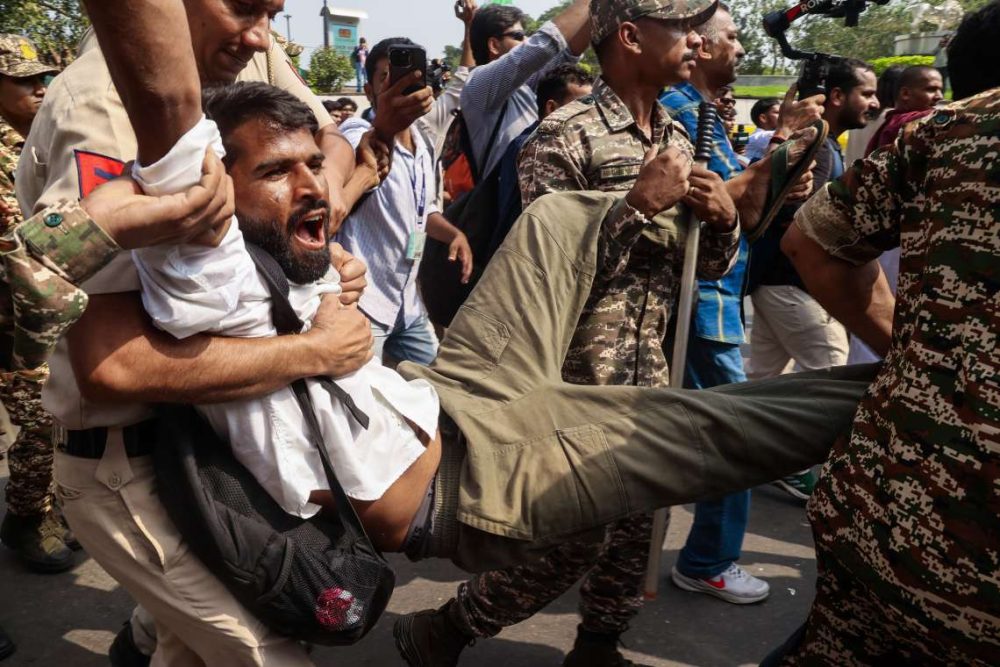
After Hameed’s transfer the anti-Imran purge had been further energised. On Tuesday, Khan’s trusted Lieutenant Shahbaz Gill was arrested and charged with sedition. If the charges are proven, he could face the death penalty-a prospect that is bound to sow fear among Khan’s senior supporters belonging to the Pakistan Tehreek-e-Insaf (PTI) party that the former premier heads.

The knives are out for Gill because he virtually called for a revolt within the army establishment during a discussion programme on the pro-Imran ARY television channel.

It can now be expected that the trail of Gill’s investigation will tighten the noose around Khan, making him the mastermind of the “seditious” remarks. “The comments were according to the script prepared under the supervision of PTI Chairperson Imran Khan which was carried forward by former information minister Fawad Chaudhry and Gill,” the interior minister Rana Sanaullah said, during a press conference.

The ongoing purge is likely to have at least three major consequences. First, the marginalisation of Khan and the PTI is likely to generate a power vacuum which can be expected to be filled by the anti-Khan camp-a process that could be capped with the arrival from London of the in-exile former Prime Minister Nawaz Sharif, underwritten by a pruned military that has been shaped by Gen. Bajwa.

Second, with a dominantly pro-west dispensation in power, US influence in Pakistan is bound to increase. The military is expected to back the shift, as Gen. Bajwa enjoys excellent ties with the West. In fact, Pak media reports suggest that on Prime Minister Shehbaz Sharif’s insistence, Gen. Bajwa called the US Deputy Secretary State Wendy Sherman, requesting her to facilitate the early release of the $1.2 billion first instalment of an IMF loan that a cash strapped Pakistan badly needs. Besides, three days before the terror kingpin Ayman Al Zawahiri was shredded by a hellfire missile in Kabul on July 31, Gen. Bajwa was on the phone with US Central Command Chief General Michael Erik Kurilla, leading to speculation that the Pak military had coordinated with the Americans the fatal drone strike.

Third, the purge is bad news for the Chinese whose CPEC projects are likely to suffer, especially as the IMF is likely to scrutinise the project details, pick holes in them, before parting with its loans. Already, News International website is reporting that the China-built Dasu hydropower project’s stage -1 with the capacity to generate 2160 MW hydel electricity has been delayed by three years, resulting in cost overrun of Rs 100 billion.

(The content is being carried under an arrangement with indianarrative.com)
ALSO READ-Imran’s top aide arrested on sedition charges

Previous Story

Madras HC rejects PIL against masks, lawyer fined

Next Story

French Rafale jets make crucial stopover in India

Previous Story

Madras HC rejects PIL against masks, lawyer fined

Next Story

French Rafale jets make crucial stopover in India

Latest from -Top News

Pakistan Risks Overstretching Itself in Yemen War

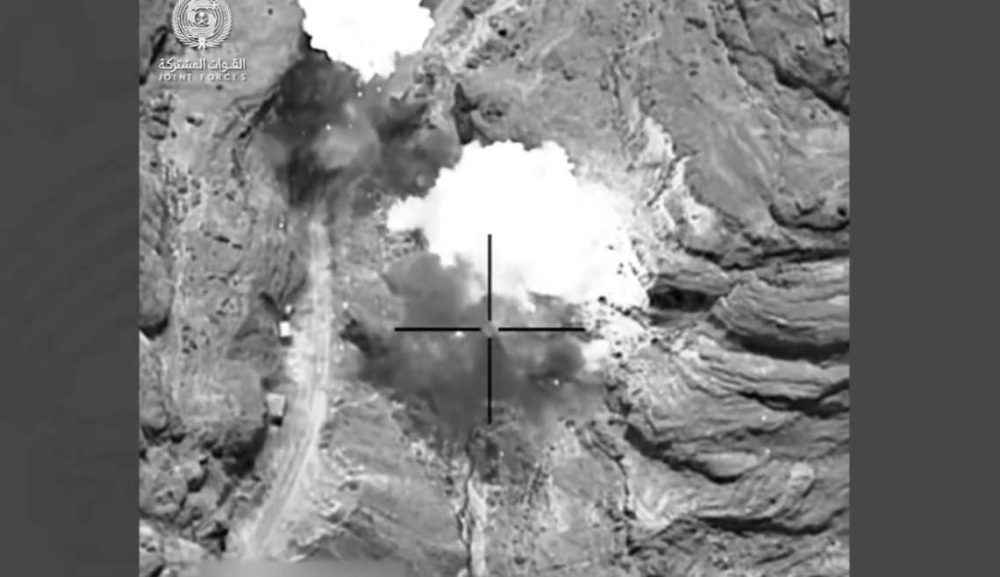
Pakistan’s expanding military role in Saudi Arabia amid the Yemen conflict could strain its defence resources and fragile finances…reports Asian Lite News Desk Pakistan’s military involvement in the war in Yemen may prove unsustainable because of mounting financial pressures and competing security demands, according to a new report. Islamabad’s growing military presence in Saudi Arabia risks stretching its defence resources while exposing the country to greater strategic and economic challenges. An article by Andrew Wilson in One World Outlook describes Pakistan’s involvement as a case of “fiscal and strategic overreach”, arguing that the country lacks the financial flexibility to sustain an expanded military commitment. Pakistan’s external finances depend heavily on an International Monetary Fund (IMF) programme, financial support from Gulf countries and remittances from Pakistani workers in the region. The report argues that deeper military involvement in the conflict could place additional pressure on these sources of financial stability. It also warns that deploying troops and military equipment abroad could weaken Pakistan’s capacity to address security challenges along its eastern border and deal with two domestic insurgencies. The move could also draw Islamabad into a conflict it has sought to approach cautiously. A Reuters report in May, citing Pakistani security and government sources, said Islamabad had deployed around 8,000 troops, a squadron of approximately 16 aircraft, mostly JF-17 fighter jets, two drone squadrons and a Chinese HQ-9 air-defence battery to Saudi Arabia. According to those sources, Riyadh was financing the deployment, with Pakistani personnel operating the equipment. The sources also said a confidential agreement contemplated the possibility of deploying up to 80,000 troops. Islamabad has not confirmed those figures, although it has acknowledged its military presence in Saudi Arabia, including the deployment of fighter jets at King Abdulaziz Air Base from April. The One World Outlook article argues that Saudi financial support can cover allowances and operating expenses but cannot easily replace military equipment needed elsewhere or resolve the political and strategic challenges of participating in the Yemen conflict. Pakistan’s defence budget is another concern. For the 2026-27 financial year, the federal government allocated PKR 3 trillion, or approximately $10.8 billion, to defence services. The allocation represents an 18 per cent increase from the original PKR 2.55 trillion provision and amounts to around 2.1 per cent of projected gross domestic product (GDP). Defence spending accounts for approximately 16 per cent of the federal government’s PKR 18.8 trillion expenditure. Military pensions are budgeted separately at PKR 822 billion, while debt servicing costs stand at approximately PKR 8 trillion, more than two-and-a-half times the defence allocation. The report argues that these competing financial obligations leave little room for additional military expenditure without placing further pressure on public finances. Pakistan’s reliance on IMF assistance also limits its fiscal flexibility. The country must meet the conditions attached to the programme, including a primary budget surplus target of 2 per cent of GDP and continued restraint on development spending. According to the article, these requirements make it difficult for Islamabad to finance an additional military commitment without compromising other budgetary priorities. Pakistan’s economic indicators offer limited reassurance. Economic growth for the 2025-26 financial year is estimated at between 3.6 and 3.7 per cent, while inflation reached approximately 10.3 per cent in September following an energy price shock. Foreign exchange reserves stood at around $21.5 billion at the end of September. Although this marks an improvement from the low levels recorded in 2023, the report notes that the reserves cover only a few months of imports. Financial assistance from Gulf partners remains central to Pakistan’s external stability. The article says Islamabad holds approximately $8 billion in Saudi deposits at its central bank. In July, the State Bank of Pakistan said Riyadh had extended the maturity of $5 billion in deposits to December 2028, easing the country’s immediate external financing requirements. A further $3 billion deposit was also extended in the spring. However, the article argues that these arrangements provide temporary relief rather than long-term financial independence, particularly as regional conflict threatens the stability of the Gulf economies on which Pakistan relies. The report concludes that Pakistan faces a difficult balance between supporting Saudi Arabia militarily and preserving the financial and military resources needed to address its domestic and regional challenges.
Go toTop

Don't Miss

What will it take for you to help save Balochs from genocide?

It has been more than 4,790 days since the Baloch

CIA Chief Holds Crucial Meetings With Pak, India

It is said that the main purpose of the CIA