April 28, 2022
4 mins read

DFZ to contribute Dh250 bn to Dubai’s GDP by 2030

Sheikh Ahmed said that the Dubai free zones model proved its efficiency in growing existing economic industries and building up new specialised and dynamic economic industries.

Dubai’s free zones are on track to boost their contribution to Dubai’s GDP to AED250 billion by 2030, said Sheikh Ahmed bin Saeed Al Maktoum, Chairman of the Dubai Free Zones Council.

During DFZ Council’s 20th meeting, Sheikh Ahmed underlined the significance of facilitating investor journey and its critical role in strengthening Dubai’s and the wider UAE’s position as a preferred investment destination. He also highlighted the pioneering role of Dubai’s free zones, across their various industries and specialisations, in enhancing a diversified integrative economics and putting in place the pillars of a flexible economy that achieves sustainability, accelerates growth, and transforms challenges into opportunities.
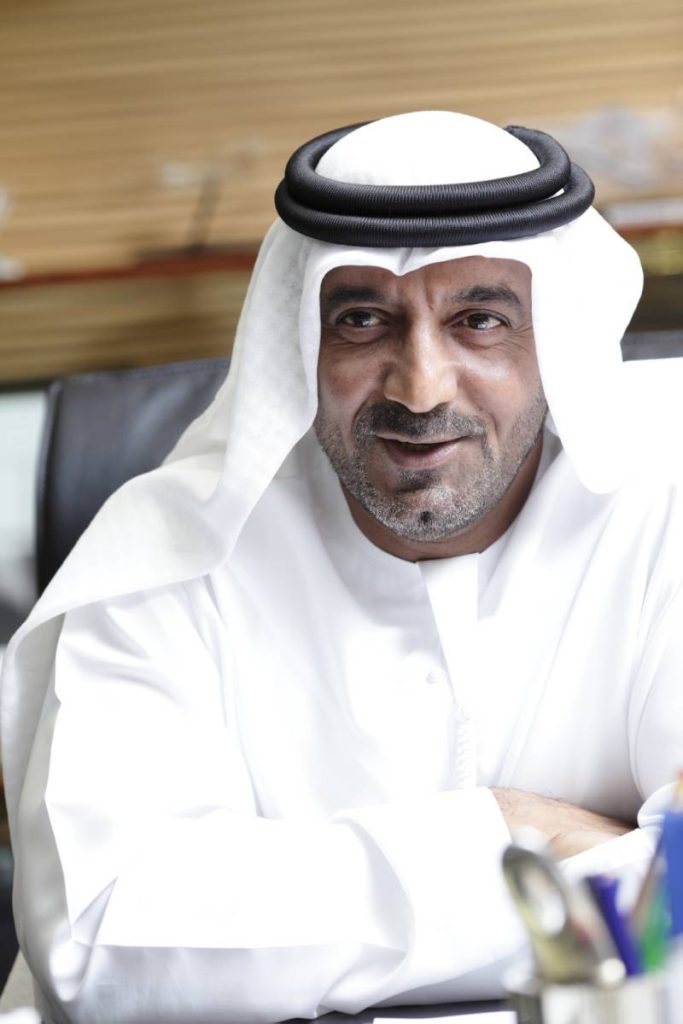
Sheikh Ahmed

Sheikh Ahmed commended the valuable options that the Invest in Dubai platform offers, launched in line with the directives of His Highness Sheikh Mohammed bin Rashid Al Maktoum, Vice President, Prime Minister and Ruler of Dubai, as an entry point into Dubai’s free zones and a gateway into the local market. It offers a comprehensive suite of services that facilitate business establishment and accelerate founding of promising startups, strengthening Dubai’s status as a capital for valuable economic and investment opportunities.

This follows the UAE Cabinet’s recent approval of the executive regulations of the Federal Decree-Law on Entry and Residence of Foreigners, aimed at strengthening the UAE’s position as an ideal destination to live, work, and invest. The new system of entry and residence, including amendments to the Golden Residency Scheme, Green Residency Scheme, tourist visas, and other specialised visas such as job exploration, business, temporary work mission, study and training, aims to attract and retain global talent and skilled workers from all over the world, boosting the competitiveness and flexibility of the job market and fostering a high sense of stability among UAE residents and families.

Sheikh Ahmed said that the Dubai free zones model proved its efficiency in growing existing economic industries and building up new specialised and dynamic economic industries such as green economy, circular economy, knowledge-based economy, in areas such as advanced technology, manufacturing, and logistical services.

He noted that the Dubai 2040 Urban Master Plan presents a framework to advance the free zones experience and take it to new heights, which allows it to play a more substantial role in Dubai’s socio-economic development. The comprehensive roadmap also boosts Dubai’s rank in key global indices for competitiveness, innovation, and ease of doing business, enabling a significant jump in the UAE’s next 50 years.

The DFZ Council explored a new phase of the Invest in Dubai platform that adds 80 new services, including electronic connectivity through a single portal that is within the reach of startups, investors, and international companies wishing to establish regional headquarters and branches in Dubai, as well as tax registration services, designing business plans, evaluating feasibility, among others.

The new services are a valuable addition utilising digital economy, fourth industrial revolution, and artificial intelligence, to provide business-as-a-service systems, including accounting management, operational and production operations management, cloud computing, and virtual smart service centers.

During the meeting, DFZ Council members called for a comprehensive study to be conducted in collaboration with Digital Dubai, to assess the economic impact of their contribution. The study will provide accurate data and information that empower existing and new investors to make well-informed decisions that maintain the valuable contribution of Dubai’s free zones to the emirate’s and wider UAE’s economies.

ALSO READ: Dubai gears up to host ATM

The DFZ Council was briefed on the work of the Energy Committee, whose training programs, awareness workshops, and field visits to various free zones are in line with international standards and best global practices to achieve the goals of managing energy demand, achieving sustainability, smart and efficient use of water and electricity, rehabilitating green buildings, adopting energy-saving lighting solutions, all of which will support sustainable economic growth and contribute to the achievement of the objectives of Dubai Energy Strategy.

Councilmembers discussed the possibility of achieving the Dubai Demand Side Management Strategy 2030, launched by the Dubai Supreme Council of Energy with the aim of reducing demand for electricity and water by 30 percent by 2030. This will enhance Dubai’s position as a global model for efficient energy and water demand management and achieving the strategy of smart sustainable cities and communities for the future.

During the meeting, the DFZ Council explored opportunities for companies to move between free zones as well as the requirements. Councilmembers recommended facilitating procedures and called for a framework that unifies the fee structure.

Previous Story

After Russia visit, UN chief arrives in Ukraine

Next Story

Russia bans 287 British MPs, expels diplomats

Previous Story

After Russia visit, UN chief arrives in Ukraine

Next Story

Russia bans 287 British MPs, expels diplomats

Latest from -Top News

Pakistan Risks Overstretching Itself in Yemen War

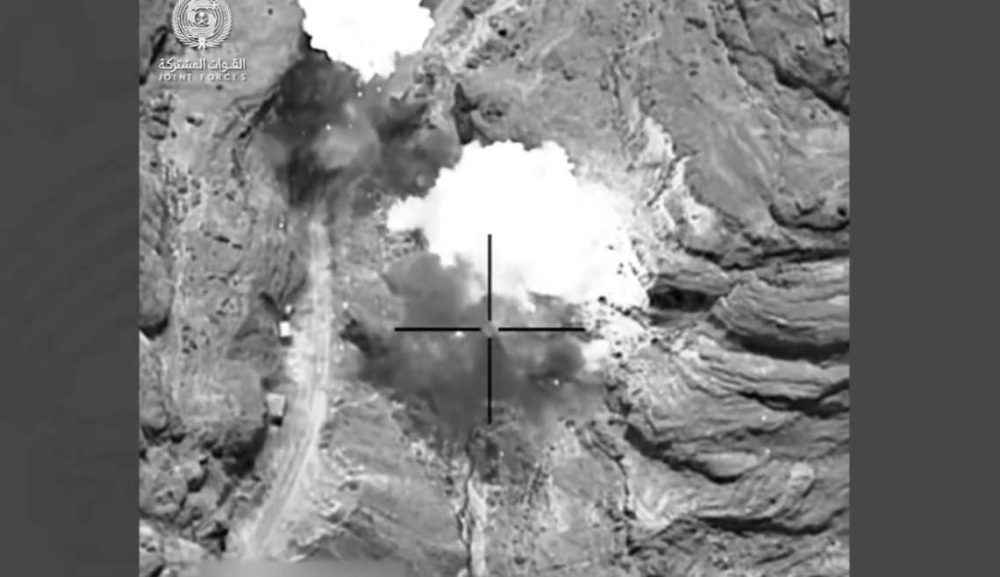
Pakistan’s expanding military role in Saudi Arabia amid the Yemen conflict could strain its defence resources and fragile finances…reports Asian Lite News Desk Pakistan’s military involvement in the war in Yemen may prove unsustainable because of mounting financial pressures and competing security demands, according to a new report. Islamabad’s growing military presence in Saudi Arabia risks stretching its defence resources while exposing the country to greater strategic and economic challenges. An article by Andrew Wilson in One World Outlook describes Pakistan’s involvement as a case of “fiscal and strategic overreach”, arguing that the country lacks the financial flexibility to sustain an expanded military commitment. Pakistan’s external finances depend heavily on an International Monetary Fund (IMF) programme, financial support from Gulf countries and remittances from Pakistani workers in the region. The report argues that deeper military involvement in the conflict could place additional pressure on these sources of financial stability. It also warns that deploying troops and military equipment abroad could weaken Pakistan’s capacity to address security challenges along its eastern border and deal with two domestic insurgencies. The move could also draw Islamabad into a conflict it has sought to approach cautiously. A Reuters report in May, citing Pakistani security and government sources, said Islamabad had deployed around 8,000 troops, a squadron of approximately 16 aircraft, mostly JF-17 fighter jets, two drone squadrons and a Chinese HQ-9 air-defence battery to Saudi Arabia. According to those sources, Riyadh was financing the deployment, with Pakistani personnel operating the equipment. The sources also said a confidential agreement contemplated the possibility of deploying up to 80,000 troops. Islamabad has not confirmed those figures, although it has acknowledged its military presence in Saudi Arabia, including the deployment of fighter jets at King Abdulaziz Air Base from April. The One World Outlook article argues that Saudi financial support can cover allowances and operating expenses but cannot easily replace military equipment needed elsewhere or resolve the political and strategic challenges of participating in the Yemen conflict. Pakistan’s defence budget is another concern. For the 2026-27 financial year, the federal government allocated PKR 3 trillion, or approximately $10.8 billion, to defence services. The allocation represents an 18 per cent increase from the original PKR 2.55 trillion provision and amounts to around 2.1 per cent of projected gross domestic product (GDP). Defence spending accounts for approximately 16 per cent of the federal government’s PKR 18.8 trillion expenditure. Military pensions are budgeted separately at PKR 822 billion, while debt servicing costs stand at approximately PKR 8 trillion, more than two-and-a-half times the defence allocation. The report argues that these competing financial obligations leave little room for additional military expenditure without placing further pressure on public finances. Pakistan’s reliance on IMF assistance also limits its fiscal flexibility. The country must meet the conditions attached to the programme, including a primary budget surplus target of 2 per cent of GDP and continued restraint on development spending. According to the article, these requirements make it difficult for Islamabad to finance an additional military commitment without compromising other budgetary priorities. Pakistan’s economic indicators offer limited reassurance. Economic growth for the 2025-26 financial year is estimated at between 3.6 and 3.7 per cent, while inflation reached approximately 10.3 per cent in September following an energy price shock. Foreign exchange reserves stood at around $21.5 billion at the end of September. Although this marks an improvement from the low levels recorded in 2023, the report notes that the reserves cover only a few months of imports. Financial assistance from Gulf partners remains central to Pakistan’s external stability. The article says Islamabad holds approximately $8 billion in Saudi deposits at its central bank. In July, the State Bank of Pakistan said Riyadh had extended the maturity of $5 billion in deposits to December 2028, easing the country’s immediate external financing requirements. A further $3 billion deposit was also extended in the spring. However, the article argues that these arrangements provide temporary relief rather than long-term financial independence, particularly as regional conflict threatens the stability of the Gulf economies on which Pakistan relies. The report concludes that Pakistan faces a difficult balance between supporting Saudi Arabia militarily and preserving the financial and military resources needed to address its domestic and regional challenges.
Go toTop

Don't Miss

Ambiente at Frankfurt on Jan 26

Exhibitors from the region include RAK Ceramics, the world’s largest

Amity Honours Top UAE Professionals

Students that displayed excellent human values were honoured, and medals