July 1, 2022
2 mins read

Museum of the Future presents Dubai vision at Paris’ Louvre

The Museum of the Future has successfully presented Dubai’s vision of tomorrow by participating, for the first time, at the 26th International Trade Show for Museums (SITEM) at the iconic Louvre Museum in Paris…reports Asian Lite News

Khalfan Belhoul, CEO of the Dubai Future Foundation (DFF), led a senior delegation that included Lath Carlson, Executive Director of the Museum of the Future, and Majed Al Mansoori, Deputy Executive Director of the Museum of the Future, to the event that hosted many of the world’s most prominent cultural institutions.

After opening its doors earlier this year, the Museum of the Future was invited to the flagship Parisian exhibition to shed light on how it aims to incubate a new generation of talent and build a better future for humanity. By embracing the latest breakthroughs in advanced technology, the museum is also at the heart of global efforts to provide unparalleled visitor experiences and stimulate Dubai’s cultural economy.

Khalfan Belhoul said, “We must advance collaboration and cooperation to uncover solutions that meaningfully address new and emerging threats in a complex and fast-changing world. This is our modus operandi at the Museum of the Future and Dubai Future Foundation. Our presence here in Paris represents a golden opportunity to engage with likeminded peers and establish deeper ties as we create pioneering experiences in a museum focused on making history by perceiving the future.”

He added, “Paris is a global metropolis renowned as a destination for art, culture, cuisine, science and technology. Much like Dubai, it is also a hub for tourism, a source of knowledge and a home to some of the world’s most impressive architectural projects. The Museum of the Future set new benchmarks in the design and development of cultural landmarks. Today it serves as an incubator for bright minds to accelerate big ideas that can strengthen Dubai’s position as a place to address some of the world’s most complex challenges.”

Dubai’s embrace of cutting-edge technology and the pursuit of innovation to drive social, economic and environmental growth makes it an advantageous place to unify global efforts around building a better future for humankind, added.

ALSO READ:Children of determination embarked journey at the Museum of the Future

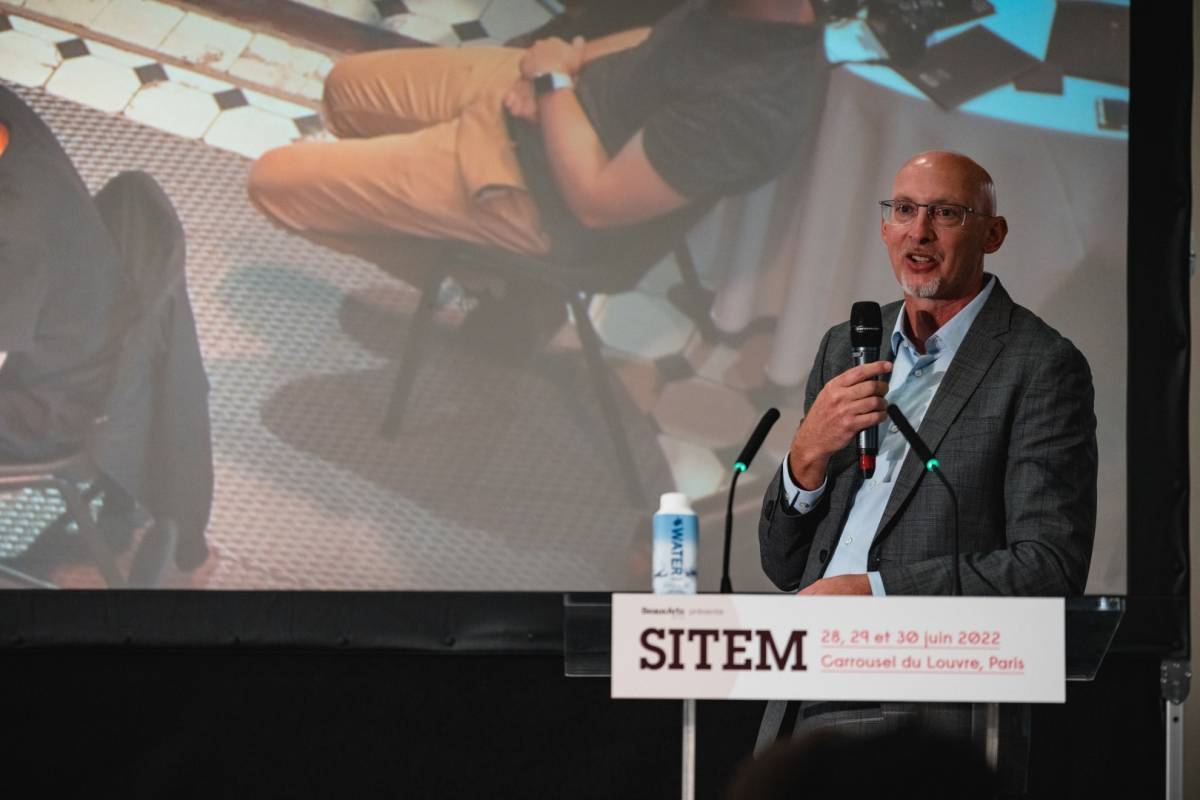
During the event, Khalfan Belhoul delivered a special keynote on trends and the future of museums. He introduced Dubai’s new museum as the latest addition to the world’s most celebrated cultural landmarks. was then joined by senior members of the museum’s team to present the Museum of the Future’s vision to the audience.

The Museum of the Future’s participation consolidated its global position as a landmark tourism destination and an incubator of science, technology, knowledge and creativity. It also represented another step toward strengthening strategic partnerships between the UAE and the international community as it unites minds to explore the future of human brilliance.

SITEM brings together international players to address important and original themes and topics. Delegates explore museums from the inside, and, increasingly, within their urban and social context.

Previous Story

Pak-backed fugitive war criminal Shafi gets death penalty

Next Story

UAE, S. Korea join hands to support entrepreneurship, SMEs

Previous Story

Pak-backed fugitive war criminal Shafi gets death penalty

Next Story

UAE, S. Korea join hands to support entrepreneurship, SMEs

Latest from -Top News

Pakistan Risks Overstretching Itself in Yemen War

Pakistan’s expanding military role in Saudi Arabia amid the Yemen conflict could strain its defence resources and fragile finances…reports Asian Lite News Desk Pakistan’s military involvement in the war in Yemen may prove unsustainable because of mounting financial pressures and competing security demands, according to a new report. Islamabad’s growing military presence in Saudi Arabia risks stretching its defence resources while exposing the country to greater strategic and economic challenges. An article by Andrew Wilson in One World Outlook describes Pakistan’s involvement as a case of “fiscal and strategic overreach”, arguing that the country lacks the financial flexibility to sustain an expanded military commitment. Pakistan’s external finances depend heavily on an International Monetary Fund (IMF) programme, financial support from Gulf countries and remittances from Pakistani workers in the region. The report argues that deeper military involvement in the conflict could place additional pressure on these sources of financial stability. It also warns that deploying troops and military equipment abroad could weaken Pakistan’s capacity to address security challenges along its eastern border and deal with two domestic insurgencies. The move could also draw Islamabad into a conflict it has sought to approach cautiously. A Reuters report in May, citing Pakistani security and government sources, said Islamabad had deployed around 8,000 troops, a squadron of approximately 16 aircraft, mostly JF-17 fighter jets, two drone squadrons and a Chinese HQ-9 air-defence battery to Saudi Arabia. According to those sources, Riyadh was financing the deployment, with Pakistani personnel operating the equipment. The sources also said a confidential agreement contemplated the possibility of deploying up to 80,000 troops. Islamabad has not confirmed those figures, although it has acknowledged its military presence in Saudi Arabia, including the deployment of fighter jets at King Abdulaziz Air Base from April. The One World Outlook article argues that Saudi financial support can cover allowances and operating expenses but cannot easily replace military equipment needed elsewhere or resolve the political and strategic challenges of participating in the Yemen conflict. Pakistan’s defence budget is another concern. For the 2026-27 financial year, the federal government allocated PKR 3 trillion, or approximately $10.8 billion, to defence services. The allocation represents an 18 per cent increase from the original PKR 2.55 trillion provision and amounts to around 2.1 per cent of projected gross domestic product (GDP). Defence spending accounts for approximately 16 per cent of the federal government’s PKR 18.8 trillion expenditure. Military pensions are budgeted separately at PKR 822 billion, while debt servicing costs stand at approximately PKR 8 trillion, more than two-and-a-half times the defence allocation. The report argues that these competing financial obligations leave little room for additional military expenditure without placing further pressure on public finances. Pakistan’s reliance on IMF assistance also limits its fiscal flexibility. The country must meet the conditions attached to the programme, including a primary budget surplus target of 2 per cent of GDP and continued restraint on development spending. According to the article, these requirements make it difficult for Islamabad to finance an additional military commitment without compromising other budgetary priorities. Pakistan’s economic indicators offer limited reassurance. Economic growth for the 2025-26 financial year is estimated at between 3.6 and 3.7 per cent, while inflation reached approximately 10.3 per cent in September following an energy price shock. Foreign exchange reserves stood at around $21.5 billion at the end of September. Although this marks an improvement from the low levels recorded in 2023, the report notes that the reserves cover only a few months of imports. Financial assistance from Gulf partners remains central to Pakistan’s external stability. The article says Islamabad holds approximately $8 billion in Saudi deposits at its central bank. In July, the State Bank of Pakistan said Riyadh had extended the maturity of $5 billion in deposits to December 2028, easing the country’s immediate external financing requirements. A further $3 billion deposit was also extended in the spring. However, the article argues that these arrangements provide temporary relief rather than long-term financial independence, particularly as regional conflict threatens the stability of the Gulf economies on which Pakistan relies. The report concludes that Pakistan faces a difficult balance between supporting Saudi Arabia militarily and preserving the financial and military resources needed to address its domestic and regional challenges.

UK and Germany Ratify Kensington Treaty

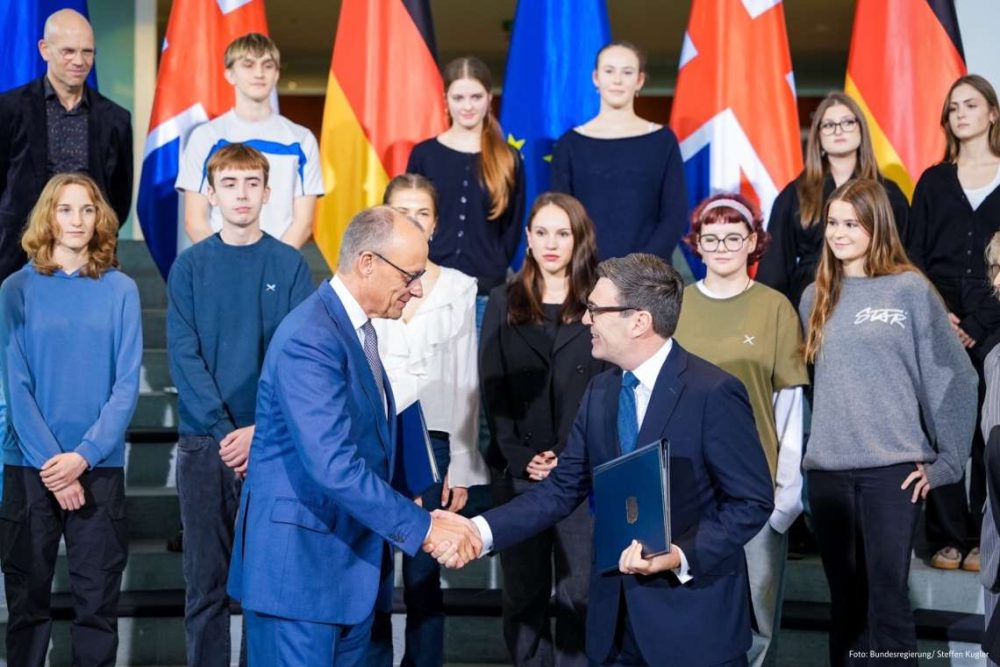
Britain and Germany ratify the Kensington Treaty, agreeing new cooperation on AI, quantum research, defence and security while targeting investment, jobs and Russian hybrid threats…reports Asian Lite News Desk Britain and Germany

Economic tide is turning in Bangladesh

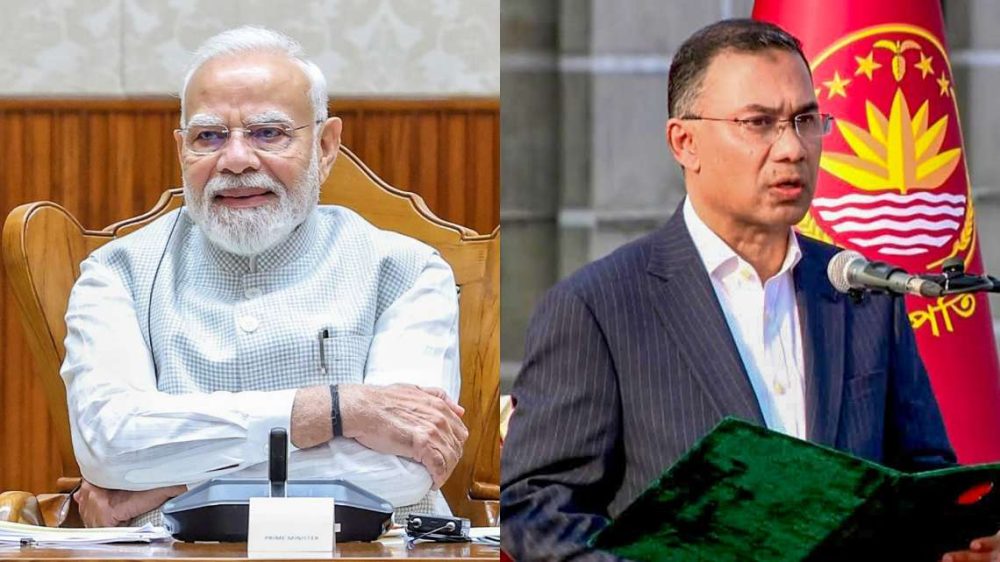
If there is one thing that can bring some comfort to the struggling Bangladeshi economy, it is good relations with India. Bangladesh should remember that Delhi’s backing, through easy supplies of essentials
Go toTop

Don't Miss

UAE–EU trade talks hit fast lane

The UAE and European Union pushed their fast-advancing free trade

Egypt reiterates support to UAE, Saudi on security

Cairo also considered any threat to the region is a