October 4, 2023
3 mins read

Biden, Sunak seek trade pact before 2024 polls

A British agriculture lobbyist told the publication: “Presumably it won’t include those because it’s been a red line for Rishi Sunak.”…reports Asian Lite News

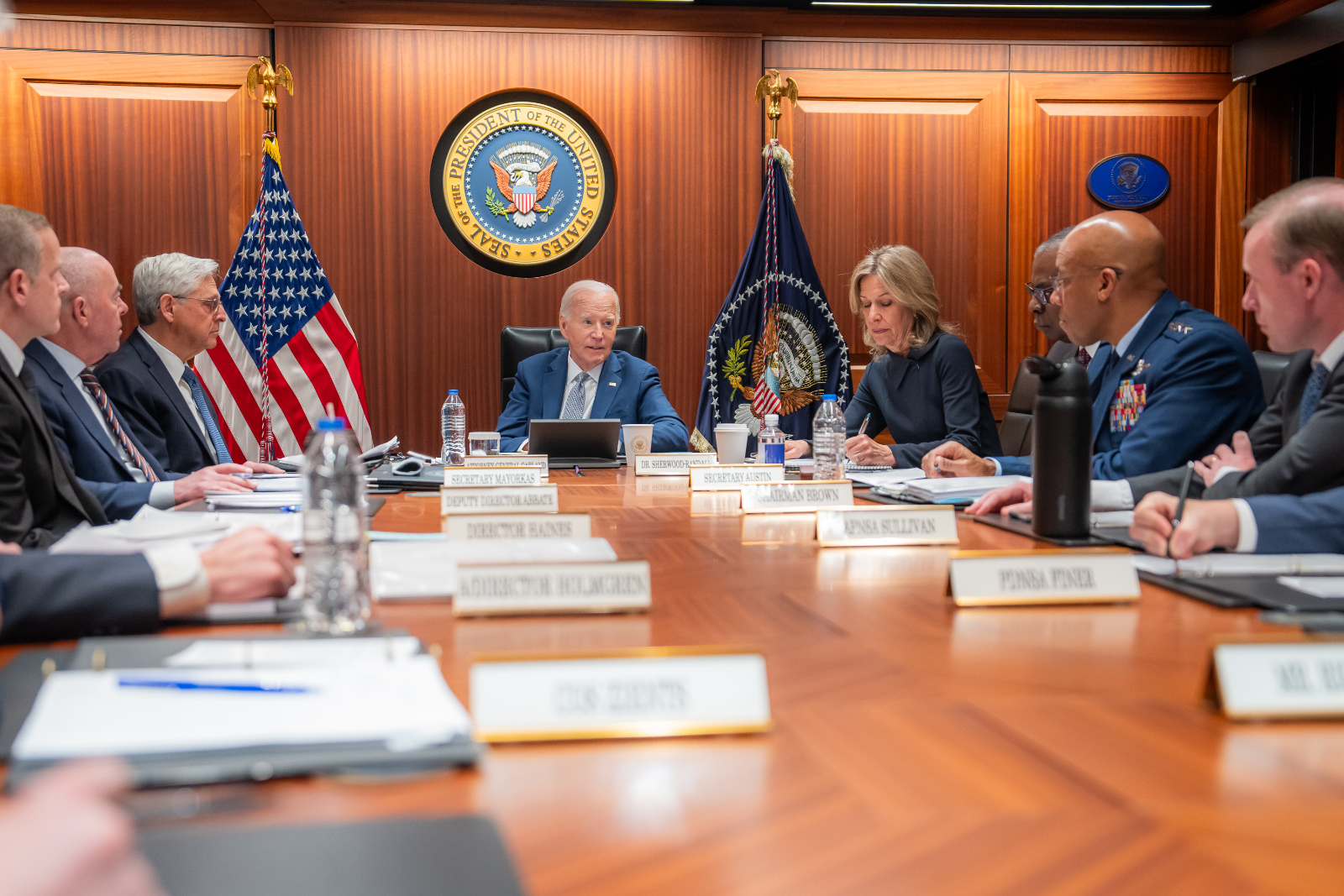
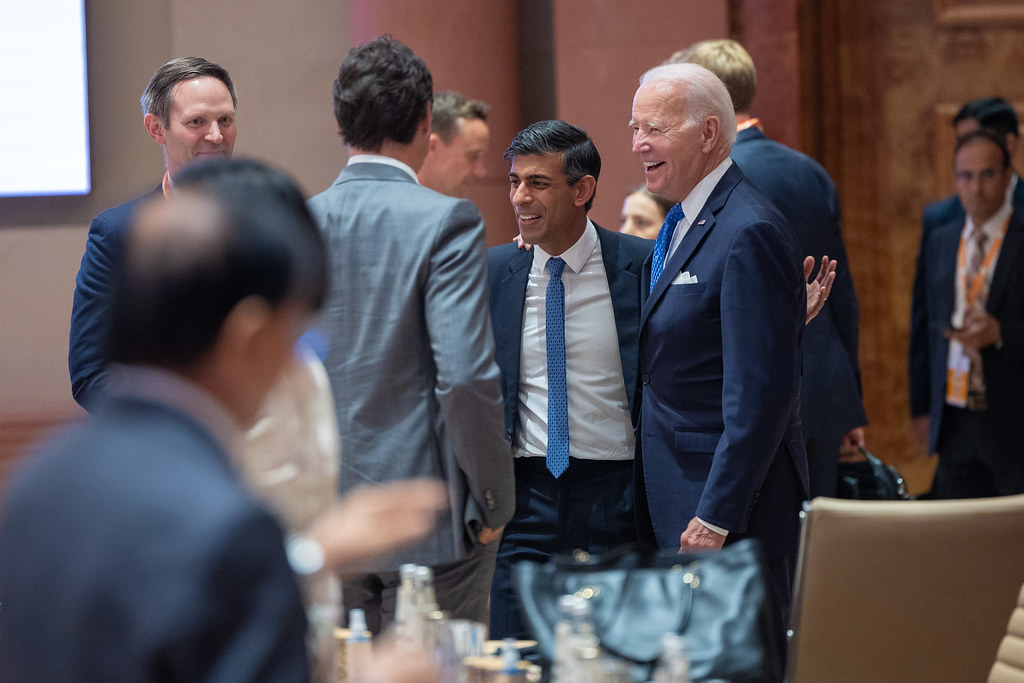
Rishi Sunak and Joe Biden are drawing up a “foundational” post-Brexit UK-US trade deal that could be sealed before both leaders face re-election in 2024. A fresh round of talks are set to begin later this month, with the early part of the agreement designed to be finalised by spring 2024.

This is according to a report from Politico, citing a leaked draft plan prepared by the US Trade Representative’s (USTR) office at the end of August. However, the outline deal set out in these papers does not reportedly include the market access commitments required for a formal free trade agreement that would be in line with the views of the World Trade Organization.

But regardless, it would be a massive step forward in negotiations between the two global superpowers.

A person familiar with the discussions told Politico: “We’re discussing and considering a range of things, but all is very much in early stages and nothing has been finalized yet.” The initiative has been tentatively dubbed the US-UK Trade Partnership Forum (TPF).

It will aim to “negotiate a new, foundational trade agreement to create a permanent mechanism to coordinate and cooperate on trade policy issues of mutual interest and to further deepen existing trade ties” between the two countries. There could however be stumbling blocks along the way as the Biden administration reportedly wants concessions on agriculture in any deal.

But a UK government official told Politico that the Department for Environment Food and Rural Affairs is “blocking this”. US farming practices such as chlorine-washed chicken and hormone-injected beef had become significant sticking points between former leaders Boris Johnson and Donald Trump.

A British agriculture lobbyist told the publication: “Presumably it won’t include those because it’s been a red line for Rishi Sunak.”

They warned otherwise, it would be a “major climbdown” for the Prime Minister after he said earlier this year that chlorine-washed chicken and hormone-injected beef would be banned from the British market.

The pact that being discussed between the two sides is modelled on the US-led Indo-Pacific Economic Framework for Prosperity (IPEF), according to a business consultant speaking to Politico.

They said this would provide “a framework that helps with the alignment of standards and regulations in a coherent way.” But the person warned the biggest negative of the pact is there’s “no market access”. This is something the Biden administration is not offering to any trade partners.

The business consultant also warned the timeline for the initial chapters to be finalised in the pact is tight, adding: Unless you do it that fast, it’s not getting through Congress before both UK and US elections.”

Duncan Edwards, chief executive of BritishAmerican Business, a trans-Atlantic business lobby, believes there is a “a real appetite in the House for a trade agreement with the UK.

He said: “If an agreement was negotiated, it would definitely get approved in the House, assuming we could solve the problems around agriculture.”

Negotiations are planned to kick off this month and would run in parallel with ongoing negotiations for a U.S.-UK Critical Minerals Agreement.

“The specific chapters would be a foundational agreement that could be further built upon and developed over time, expanding both the range of issues covered as well as the depth of the commitments,” USTR proposes.

The White House declined to comment.

ALSO READ-G20 a glimpse of what future of India-UK ties can be, says Sunak
Previous Story

Sunak to promise ‘fundamental change’ to party faithful

Next Story

Migration advisers call for tighter foreign worker rules

Previous Story

Sunak to promise ‘fundamental change’ to party faithful

Next Story

Migration advisers call for tighter foreign worker rules

Latest from -Top News

Pakistan Risks Overstretching Itself in Yemen War

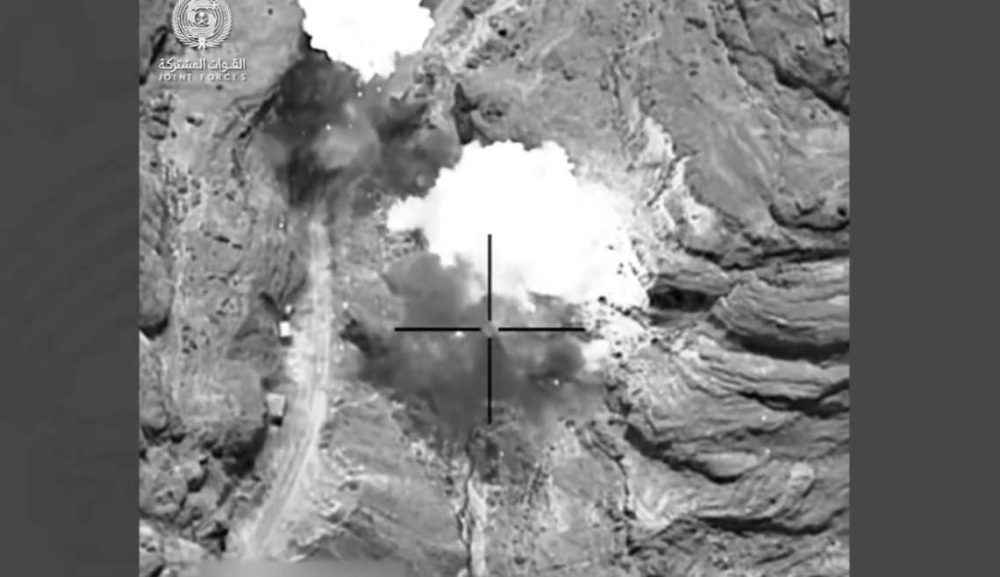
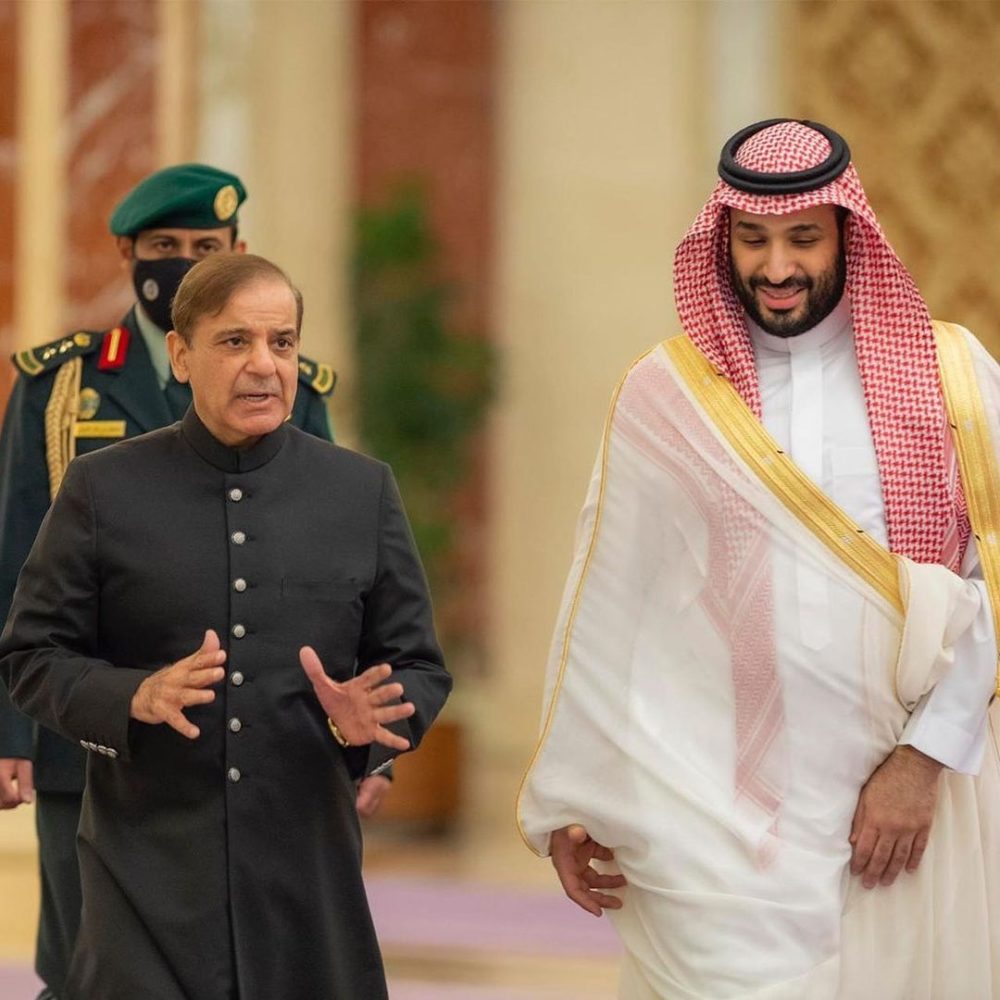
Pakistan’s expanding military role in Saudi Arabia amid the Yemen conflict could strain its defence resources and fragile finances…reports Asian Lite News Desk Pakistan’s military involvement in the war in Yemen may prove unsustainable because of mounting financial pressures and competing security demands, according to a new report. Islamabad’s growing military presence in Saudi Arabia risks stretching its defence resources while exposing the country to greater strategic and economic challenges. An article by Andrew Wilson in One World Outlook describes Pakistan’s involvement as a case of “fiscal and strategic overreach”, arguing that the country lacks the financial flexibility to sustain an expanded military commitment. Pakistan’s external finances depend heavily on an International Monetary Fund (IMF) programme, financial support from Gulf countries and remittances from Pakistani workers in the region. The report argues that deeper military involvement in the conflict could place additional pressure on these sources of financial stability. It also warns that deploying troops and military equipment abroad could weaken Pakistan’s capacity to address security challenges along its eastern border and deal with two domestic insurgencies. The move could also draw Islamabad into a conflict it has sought to approach cautiously. A Reuters report in May, citing Pakistani security and government sources, said Islamabad had deployed around 8,000 troops, a squadron of approximately 16 aircraft, mostly JF-17 fighter jets, two drone squadrons and a Chinese HQ-9 air-defence battery to Saudi Arabia. According to those sources, Riyadh was financing the deployment, with Pakistani personnel operating the equipment. The sources also said a confidential agreement contemplated the possibility of deploying up to 80,000 troops. Islamabad has not confirmed those figures, although it has acknowledged its military presence in Saudi Arabia, including the deployment of fighter jets at King Abdulaziz Air Base from April. The One World Outlook article argues that Saudi financial support can cover allowances and operating expenses but cannot easily replace military equipment needed elsewhere or resolve the political and strategic challenges of participating in the Yemen conflict. Pakistan’s defence budget is another concern. For the 2026-27 financial year, the federal government allocated PKR 3 trillion, or approximately $10.8 billion, to defence services. The allocation represents an 18 per cent increase from the original PKR 2.55 trillion provision and amounts to around 2.1 per cent of projected gross domestic product (GDP). Defence spending accounts for approximately 16 per cent of the federal government’s PKR 18.8 trillion expenditure. Military pensions are budgeted separately at PKR 822 billion, while debt servicing costs stand at approximately PKR 8 trillion, more than two-and-a-half times the defence allocation. The report argues that these competing financial obligations leave little room for additional military expenditure without placing further pressure on public finances. Pakistan’s reliance on IMF assistance also limits its fiscal flexibility. The country must meet the conditions attached to the programme, including a primary budget surplus target of 2 per cent of GDP and continued restraint on development spending. According to the article, these requirements make it difficult for Islamabad to finance an additional military commitment without compromising other budgetary priorities. Pakistan’s economic indicators offer limited reassurance. Economic growth for the 2025-26 financial year is estimated at between 3.6 and 3.7 per cent, while inflation reached approximately 10.3 per cent in September following an energy price shock. Foreign exchange reserves stood at around $21.5 billion at the end of September. Although this marks an improvement from the low levels recorded in 2023, the report notes that the reserves cover only a few months of imports. Financial assistance from Gulf partners remains central to Pakistan’s external stability. The article says Islamabad holds approximately $8 billion in Saudi deposits at its central bank. In July, the State Bank of Pakistan said Riyadh had extended the maturity of $5 billion in deposits to December 2028, easing the country’s immediate external financing requirements. A further $3 billion deposit was also extended in the spring. However, the article argues that these arrangements provide temporary relief rather than long-term financial independence, particularly as regional conflict threatens the stability of the Gulf economies on which Pakistan relies. The report concludes that Pakistan faces a difficult balance between supporting Saudi Arabia militarily and preserving the financial and military resources needed to address its domestic and regional challenges.
Go toTop

Don't Miss

Biden pledges continued Ukraine support

President urges Western and NATO allies to recapture the spirit

Biden Suffers Gaffe Again

Biden made the remarks during a press conference after a