April 18, 2023
3 mins read

NIA takes over probe into attack on Indian mission

India also pointed out its concerns over the breach of security of the Indian High Commission…reports Asian Lite News

Nearly a month after the national flag at the Indian high commission in London was pulled down during a protest by pro-Khalistan activists, India’s National Investigation Agency (NIA) took over the case to investigate the matter, sources said.

According to inputs, the case was handed over to the NIA by the Counter Terrorism and Counter Radicalization (CTCR) division of India’s Ministry of Home Affairs a few days back. The anti-terror agency registered a First Information Report (FIR) based on the orders of the Ministry of Home Affairs (MHA) and began its probe.

The agency took over the case from Delhi Police, which registered an FIR in the matter under the Unlawful Activities Prevention Act (UAPA) and is currently investigating it.

The MHA took the decision to hand over the case to the NIA following a meeting with UK representatives last week, the sources indicated.

It is learnt that a special team of the NIA, including a Deputy Inspector General rank officer, may visit London “very soon”, said a source privy to the development.

A tricolour flying atop the Indian High Commission in London was grabbed at by a group of protesters waving separatist Khalistani flags and chanting pro-Khalistani slogans on March 19.

The national flag was pulled down during the protest by pro-Khalistani elements. Videos of the incident showed several protesters carrying the yellow and black Khalistan flag and calling for radical Sikh preacher and Khalistan sympathiser Amritpal Singh to be “freed”.

The videos showed one of the protesters clambering onto a balcony and pulling down the Indian flag from a pole at the front of the high commission to cheers from the other men. British policemen arrived on the scene and prevented the protestors from approaching an entrance of the Indian high commission. The protesters shouted slogans and abused Indian officials within, the videos showed.

Centre amended the NIA Act in August 2019, empowering the agency to investigate terror activities against Indians and Indian interests abroad apart from cyber crimes and human trafficking.

In the fifth India-UK Home Affairs Dialogue held on April 12, India raised concerns on the misuse of the UK’s asylum status by the Pro-Khalistani elements aid and abet terrorist activities here and requested better cooperation with the UK and increased monitoring of UK based Pro-Khalistan Extremists and take appropriate proactive action.

India also pointed out its concerns over the breach of security of the Indian High Commission.

Both sides reviewed the ongoing cooperation and identified further steps that can be taken to explore opportunities and synergies in advancing cooperation in counter-terrorism, cyber security and global supply chains, drug trafficking, migration, extradition, and anti-India activities in the UK including Pro-Khalistan Extremism among other issues.

The Indian delegation was led by Union Home Secretary Ajay Kumar Bhalla and the UK delegation was led by Permanent Secretary, of Home Office, Sir Matthew Rycroft. The meeting was also attended by other senior officials of both countries.

The Ministry of External Affairs (MEA) last month summoned the UK deputy high commissioner after pro-Khalistan protestors took down the Indian flag at the high commission in London. The pro-Khalistan groups were protesting against the Punjab police’s crackdown on Sikh hardliner Amritpal Singh. (ANI)

ALSO READ-Sikh bizwoman named to California Univ Board of Trustees
Previous Story

Ireland grants highest number of work permits to Indians

Next Story

Nepal PM’s India visit on April 28

Previous Story

Ireland grants highest number of work permits to Indians

Next Story

Nepal PM’s India visit on April 28

Latest from -Top News

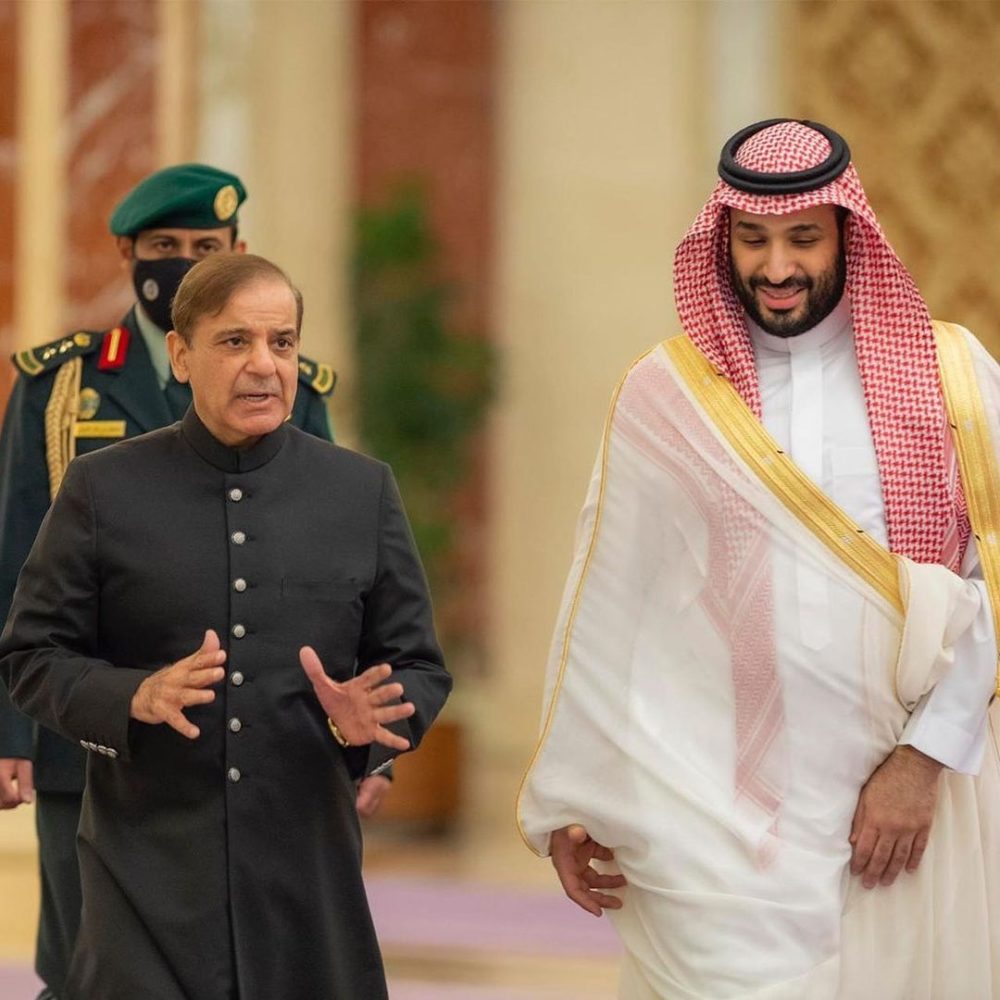
Pakistan Risks Overstretching Itself in Yemen War

Pakistan’s expanding military role in Saudi Arabia amid the Yemen conflict could strain its defence resources and fragile finances…reports Asian Lite News Desk Pakistan’s military involvement in the war in Yemen may prove unsustainable because of mounting financial pressures and competing security demands, according to a new report. Islamabad’s growing military presence in Saudi Arabia risks stretching its defence resources while exposing the country to greater strategic and economic challenges. An article by Andrew Wilson in One World Outlook describes Pakistan’s involvement as a case of “fiscal and strategic overreach”, arguing that the country lacks the financial flexibility to sustain an expanded military commitment. Pakistan’s external finances depend heavily on an International Monetary Fund (IMF) programme, financial support from Gulf countries and remittances from Pakistani workers in the region. The report argues that deeper military involvement in the conflict could place additional pressure on these sources of financial stability. It also warns that deploying troops and military equipment abroad could weaken Pakistan’s capacity to address security challenges along its eastern border and deal with two domestic insurgencies. The move could also draw Islamabad into a conflict it has sought to approach cautiously. A Reuters report in May, citing Pakistani security and government sources, said Islamabad had deployed around 8,000 troops, a squadron of approximately 16 aircraft, mostly JF-17 fighter jets, two drone squadrons and a Chinese HQ-9 air-defence battery to Saudi Arabia. According to those sources, Riyadh was financing the deployment, with Pakistani personnel operating the equipment. The sources also said a confidential agreement contemplated the possibility of deploying up to 80,000 troops. Islamabad has not confirmed those figures, although it has acknowledged its military presence in Saudi Arabia, including the deployment of fighter jets at King Abdulaziz Air Base from April. The One World Outlook article argues that Saudi financial support can cover allowances and operating expenses but cannot easily replace military equipment needed elsewhere or resolve the political and strategic challenges of participating in the Yemen conflict. Pakistan’s defence budget is another concern. For the 2026-27 financial year, the federal government allocated PKR 3 trillion, or approximately $10.8 billion, to defence services. The allocation represents an 18 per cent increase from the original PKR 2.55 trillion provision and amounts to around 2.1 per cent of projected gross domestic product (GDP). Defence spending accounts for approximately 16 per cent of the federal government’s PKR 18.8 trillion expenditure. Military pensions are budgeted separately at PKR 822 billion, while debt servicing costs stand at approximately PKR 8 trillion, more than two-and-a-half times the defence allocation. The report argues that these competing financial obligations leave little room for additional military expenditure without placing further pressure on public finances. Pakistan’s reliance on IMF assistance also limits its fiscal flexibility. The country must meet the conditions attached to the programme, including a primary budget surplus target of 2 per cent of GDP and continued restraint on development spending. According to the article, these requirements make it difficult for Islamabad to finance an additional military commitment without compromising other budgetary priorities. Pakistan’s economic indicators offer limited reassurance. Economic growth for the 2025-26 financial year is estimated at between 3.6 and 3.7 per cent, while inflation reached approximately 10.3 per cent in September following an energy price shock. Foreign exchange reserves stood at around $21.5 billion at the end of September. Although this marks an improvement from the low levels recorded in 2023, the report notes that the reserves cover only a few months of imports. Financial assistance from Gulf partners remains central to Pakistan’s external stability. The article says Islamabad holds approximately $8 billion in Saudi deposits at its central bank. In July, the State Bank of Pakistan said Riyadh had extended the maturity of $5 billion in deposits to December 2028, easing the country’s immediate external financing requirements. A further $3 billion deposit was also extended in the spring. However, the article argues that these arrangements provide temporary relief rather than long-term financial independence, particularly as regional conflict threatens the stability of the Gulf economies on which Pakistan relies. The report concludes that Pakistan faces a difficult balance between supporting Saudi Arabia militarily and preserving the financial and military resources needed to address its domestic and regional challenges.

UK and Germany Ratify Kensington Treaty

Britain and Germany ratify the Kensington Treaty, agreeing new cooperation on AI, quantum research, defence and security while targeting investment, jobs and Russian hybrid threats…reports Asian Lite News Desk Britain and Germany

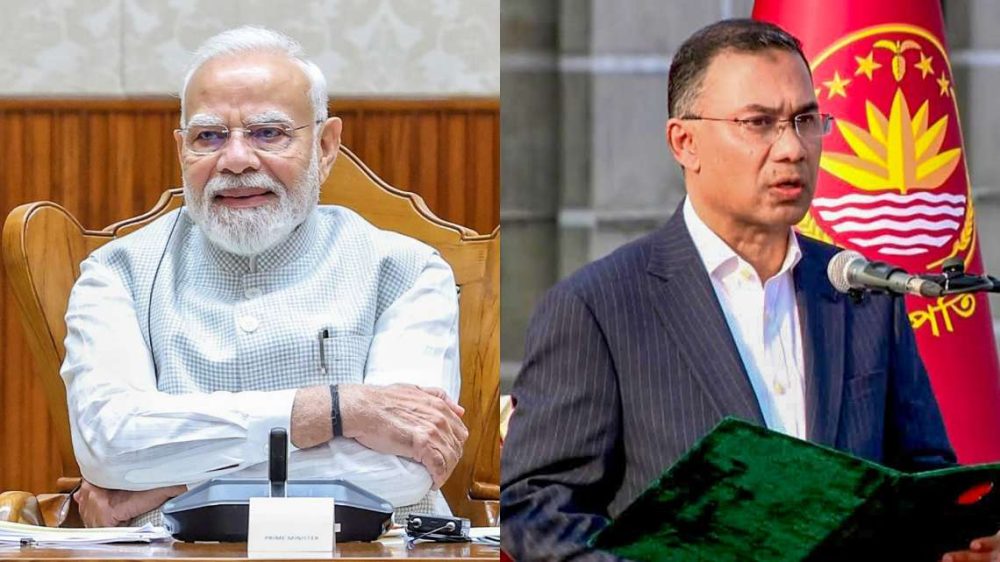
Economic tide is turning in Bangladesh

If there is one thing that can bring some comfort to the struggling Bangladeshi economy, it is good relations with India. Bangladesh should remember that Delhi’s backing, through easy supplies of essentials
Go toTop

Don't Miss

MQ-9B drones will enhance India’s maritime security, says US

The US State Department recently notified Congress of a possible

Unbeatable India: SAFF U-16 Champs Conquer Tournament Without Conceding a Goal

India dominated the proceedings in the gripping contest while Bangladesh