August 16, 2023
3 mins read

UAE President Affirms COP28’s Role in Protecting Planet

UAE President His Highness Sheikh Mohamed bin Zayed affirmed that sustainability remains at the heart of the UAE’s support for global climate action….reports Asian Lite News

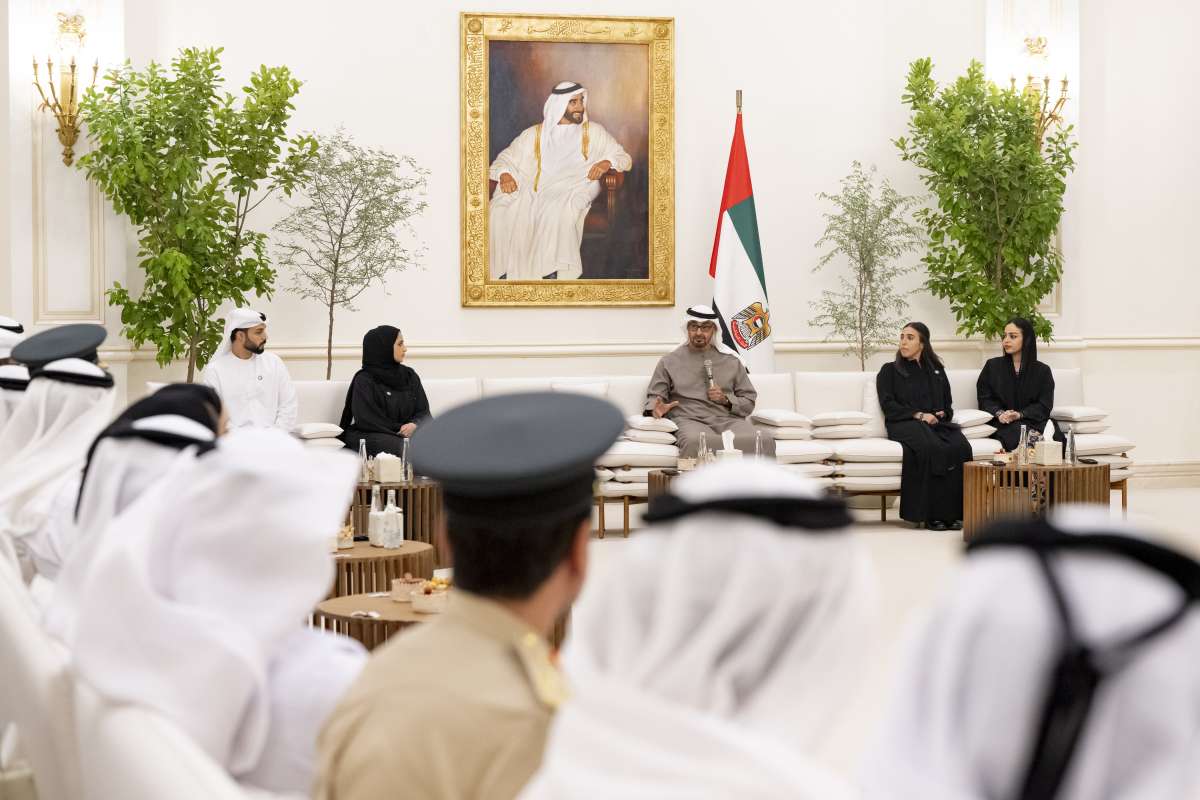
President His Highness Sheikh Mohamed bin Zayed Al Nahyan received at Qasr Al Bahr Majlis the team overseeing the 28th Conference of the Parties to the United Nations Framework Convention on Climate Change (COP28).

During the meeting, His Highness Sheikh Mohamed bin Zayed affirmed that sustainability remains at the heart of the UAE’s support for global climate action. His Highness also emphasised the need to enhance international solidarity and cooperation in pursuit of practical solutions to climate challenges.

The meeting was attended by members of the National Higher Committee overseeing preparations to host COP28 UAE.

His Highness Sheikh Mohamed bin Zayed was briefed by the COP28 team about the conference preparations and the four pillars of the COP28 Action Agenda, including fast-tracking a just and orderly energy transition; fixing climate finance; putting nature, lives, and livelihoods at the centre of climate action; and enhancing inclusivity in national climate action.

His Highness Sheikh Mohamed bin Zayed affirmed that by hosting COP28, the UAE is building upon its enduring legacy of environmental stewardship first championed under the late Sheikh Zayed bin Sultan Al Nahyan, Founding Father of the UAE, while empowering youth, women, and civil society to contribute to mobilising international efforts to combat climate change.

Moreover, His Highness noted, the UAE is extending an invitation to the world to foster cooperation and joint action in collective efforts to achieve outcomes that benefit the global community. His Highness underscored that the COP28 team’s endeavours to accelerate effective climate action serve all of humanity in light of the climate crisis. Under the UAE Presidency, COP28 will lead the global effort to protect the planet and safeguard the wellbeing of future generations.

His Highness affirmed that the UAE will leverage its diverse international partnerships in efforts to pursue inclusive dialogue and cooperation while focusing on practical climate solutions and fostering sustainable social and economic development.

Sheikh Mohamed bin Zayed underscored the importance of preparations to host COP28, emphasising that the UAE possesses essential capabilities such as modern infrastructure, a commendable track record in sustainability and environmental conservation, recognition as a successful convener of global events, and deep-rooted relations with other countries. His Highness commended the efforts of the COP28 team in overseeing the conference and striving to achieve its objectives.

Members of the Higher Committee overseeing preparations to host COP28 include H.H. Sheikh Abdullah bin Zayed Al Nahyan, Minister of Foreign Affairs and Chairman of the Higher Committee; Dr. Sultan bin Ahmed Al Jaber, Minister of Industry and Advanced Technology, UAE Special Envoy for Climate Change, and Vice Chairman of the COP28 UAE Higher Committee; Mohamed Hadi Al Hussaini, Minister of State for Financial Affairs; Reem bint Ebrahim Al Hashimy, Minister of State for International Cooperation; Suhail bin Mohammed Al Mazrouei, Minister of Energy and Infrastructure; Mariam bint Mohammed Almheiri, Minister of Climate Change and the Environment; Dr. Thani bin Ahmed Al Zeyoudi, Minister of State for Foreign Trade; Shamma bint Suhail bin Faris Al Mazrui, Minister of Community Development; Muhammad Abdullah Al Junaibi, Chairman of the Federal Authority for Protocol and Strategic Narrative; and Lieutenant-General Abdullah Khalifa Al Marri, Commander-in-Chief of Dubai Police.

Members also include Lieutenant-General Talal Humaid Belhoul Al Falasi, Director-General of the State Security Department at Dubai Police; Staff Major General Pilot Faris Khalaf Al Mazrouei, Commander-in-Chief of Abu Dhabi Police; Mattar Mohammed Al Tayer, Director-General, Chairman of the Board of Executive Directors of the Roads and Transport Authority (RTA); Rashid Saeed Al Ameri, Under-Secretary of the Ministry of Presidential Court for the Government Coordination Sector; Major General Khalifa Hareb Al Khaili, Under-Secretary of the Ministry of Interior; Helal Saeed Almarri, Director-General of Dubai’s Department of Economy and Tourism, Saif Saeed Ghobash, Secretary-General of Abu Dhabi Executive Council, and Dr. Jamal Mohammed Al Hosani, representing the Supreme Council for National Security.

ALSO READ: Brazil, UAE seek to deepen trade, investment ties

Previous Story

Food price inflation in UK falls for fifth month in a row

Next Story

US, S Korea, Japan to launch new defence steps  

Previous Story

Food price inflation in UK falls for fifth month in a row

Next Story

US, S Korea, Japan to launch new defence steps  

Latest from -Top News

Pakistan Risks Overstretching Itself in Yemen War

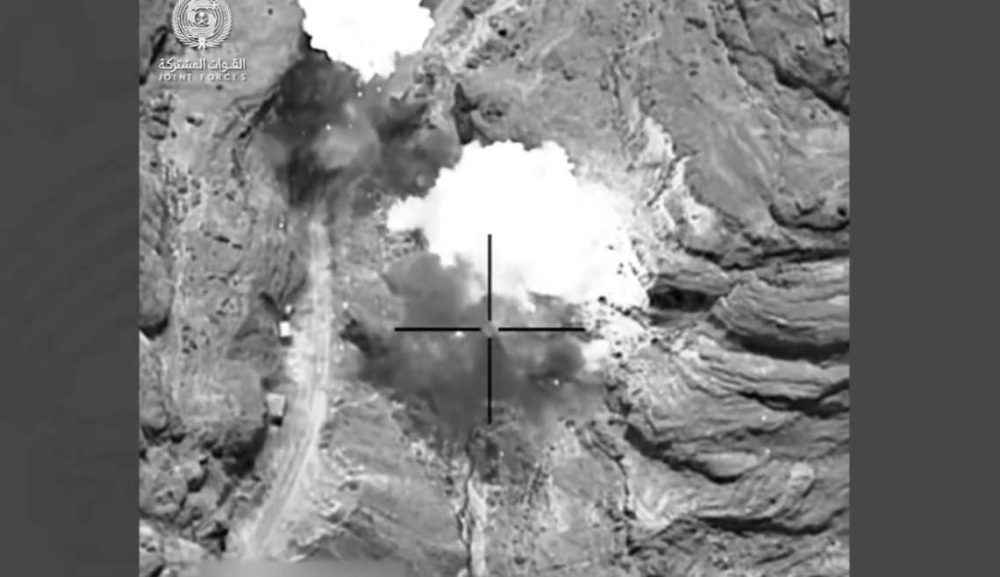
Pakistan’s expanding military role in Saudi Arabia amid the Yemen conflict could strain its defence resources and fragile finances…reports Asian Lite News Desk Pakistan’s military involvement in the war in Yemen may prove unsustainable because of mounting financial pressures and competing security demands, according to a new report. Islamabad’s growing military presence in Saudi Arabia risks stretching its defence resources while exposing the country to greater strategic and economic challenges. An article by Andrew Wilson in One World Outlook describes Pakistan’s involvement as a case of “fiscal and strategic overreach”, arguing that the country lacks the financial flexibility to sustain an expanded military commitment. Pakistan’s external finances depend heavily on an International Monetary Fund (IMF) programme, financial support from Gulf countries and remittances from Pakistani workers in the region. The report argues that deeper military involvement in the conflict could place additional pressure on these sources of financial stability. It also warns that deploying troops and military equipment abroad could weaken Pakistan’s capacity to address security challenges along its eastern border and deal with two domestic insurgencies. The move could also draw Islamabad into a conflict it has sought to approach cautiously. A Reuters report in May, citing Pakistani security and government sources, said Islamabad had deployed around 8,000 troops, a squadron of approximately 16 aircraft, mostly JF-17 fighter jets, two drone squadrons and a Chinese HQ-9 air-defence battery to Saudi Arabia. According to those sources, Riyadh was financing the deployment, with Pakistani personnel operating the equipment. The sources also said a confidential agreement contemplated the possibility of deploying up to 80,000 troops. Islamabad has not confirmed those figures, although it has acknowledged its military presence in Saudi Arabia, including the deployment of fighter jets at King Abdulaziz Air Base from April. The One World Outlook article argues that Saudi financial support can cover allowances and operating expenses but cannot easily replace military equipment needed elsewhere or resolve the political and strategic challenges of participating in the Yemen conflict. Pakistan’s defence budget is another concern. For the 2026-27 financial year, the federal government allocated PKR 3 trillion, or approximately $10.8 billion, to defence services. The allocation represents an 18 per cent increase from the original PKR 2.55 trillion provision and amounts to around 2.1 per cent of projected gross domestic product (GDP). Defence spending accounts for approximately 16 per cent of the federal government’s PKR 18.8 trillion expenditure. Military pensions are budgeted separately at PKR 822 billion, while debt servicing costs stand at approximately PKR 8 trillion, more than two-and-a-half times the defence allocation. The report argues that these competing financial obligations leave little room for additional military expenditure without placing further pressure on public finances. Pakistan’s reliance on IMF assistance also limits its fiscal flexibility. The country must meet the conditions attached to the programme, including a primary budget surplus target of 2 per cent of GDP and continued restraint on development spending. According to the article, these requirements make it difficult for Islamabad to finance an additional military commitment without compromising other budgetary priorities. Pakistan’s economic indicators offer limited reassurance. Economic growth for the 2025-26 financial year is estimated at between 3.6 and 3.7 per cent, while inflation reached approximately 10.3 per cent in September following an energy price shock. Foreign exchange reserves stood at around $21.5 billion at the end of September. Although this marks an improvement from the low levels recorded in 2023, the report notes that the reserves cover only a few months of imports. Financial assistance from Gulf partners remains central to Pakistan’s external stability. The article says Islamabad holds approximately $8 billion in Saudi deposits at its central bank. In July, the State Bank of Pakistan said Riyadh had extended the maturity of $5 billion in deposits to December 2028, easing the country’s immediate external financing requirements. A further $3 billion deposit was also extended in the spring. However, the article argues that these arrangements provide temporary relief rather than long-term financial independence, particularly as regional conflict threatens the stability of the Gulf economies on which Pakistan relies. The report concludes that Pakistan faces a difficult balance between supporting Saudi Arabia militarily and preserving the financial and military resources needed to address its domestic and regional challenges.
Go toTop

Don't Miss

WGES Attracts Decision-Makers and Experts Worldwide

WGES gathers distinguished local and international officials, decision-makers, experts, speakers,

CBUAE sanctions 6 banks operating in country

The financial sanctions take into account the banks’ failures to