April 5, 2024
2 mins read

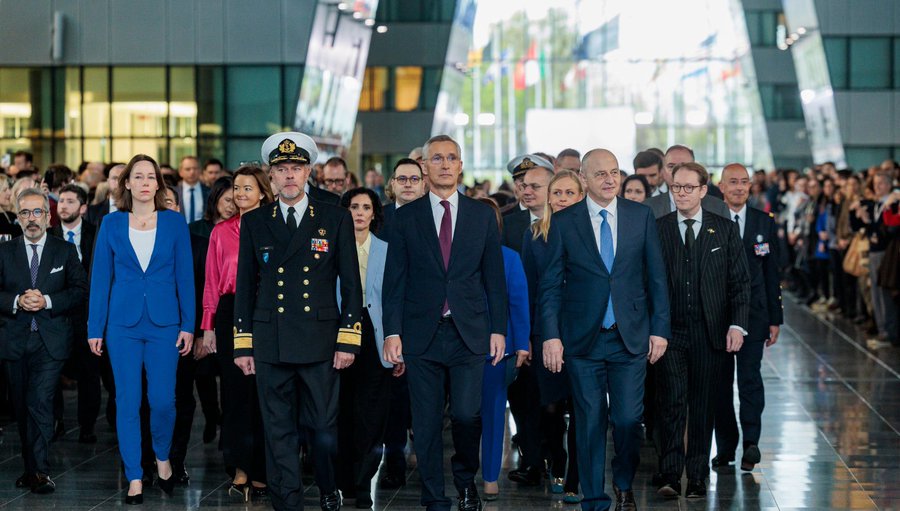
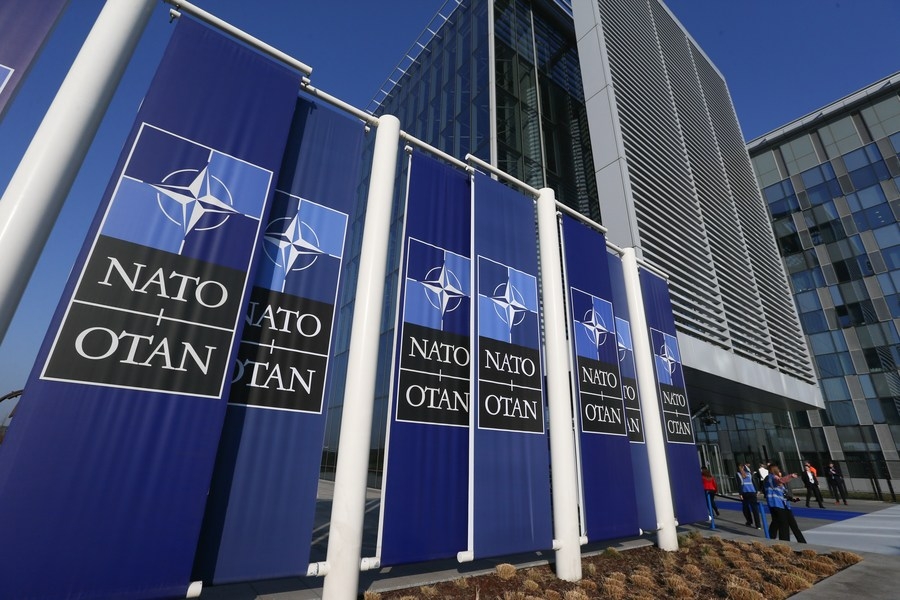
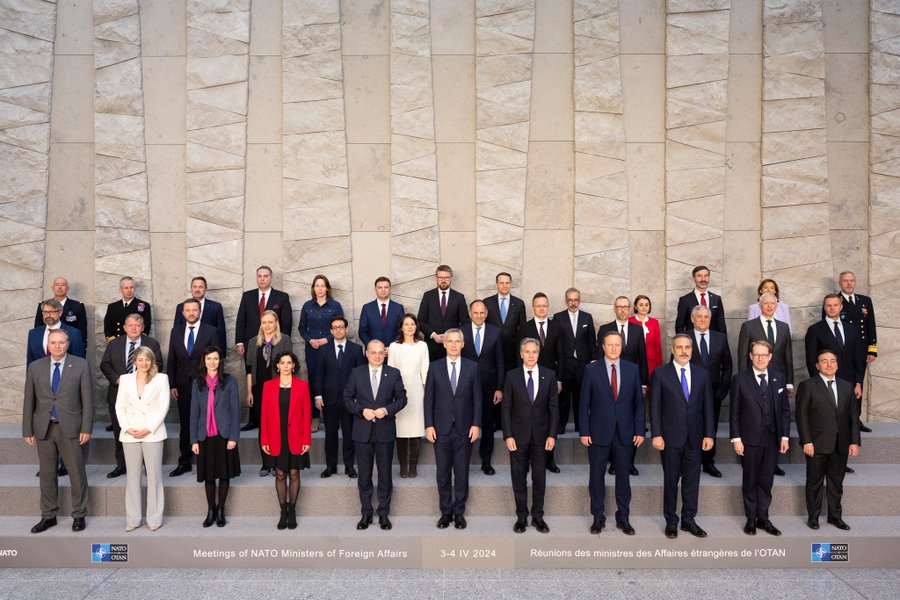
Foreign ministers mark 75 years of NATO

Seventy-five years later, NATO has 32 members and has retaken a central role in world affairs, after Russia’s war in Ukraine prompted European governments to view Moscow once more as a major security threat…reports Asian Lite News

On the second day of a meeting in Brussels, the ministers will mark the signing in Washington on April 4, 1949, of the North Atlantic Treaty that established the transatlantic political and military alliance.

“As we face a more dangerous world, the bond between Europe and North America has never been more important,” NATO Secretary General Jens Stoltenberg said on Wednesday.

NATO began with 12 members from North America and Europe, founded in response to growing fears that the Soviet Union posed a military threat to European democracies.

At its heart is the concept of collective defence, the idea that an attack on one member is considered an attack on all, giving US military protection to Western Europe.

Seventy-five years later, NATO has 32 members and has retaken a central role in world affairs, after Russia’s war in Ukraine prompted European governments to view Moscow once more as a major security threat.

NATO’s two newest members, Finland and Sweden, joined in direct response to Russia’s invasion of Ukraine in 2022.

“We will continue to strengthen our alliance,” Stoltenberg told reporters. “And we will continue to work with our partners across the globe for peace and security.”

Russia said on Wednesday that NATO had returned to a Cold War mindset. Foreign Ministry spokeswoman Maria Zakharova told reporters NATO had no place in the “multipolar world” Moscow says it seeks to build to end U.S. dominance.
On Wednesday, NATO ministers agreed to start planning for a greater NATO role in coordinating security assistance and training for Ukraine.

Under a proposal by Stoltenberg, NATO would take over work done by a US-led ad-hoc coalition known as the Ramstein group, in part to guard against any cut in US support if Donald Trump returns to the White House, diplomats said.

Stoltenberg has also proposed a fund of 100 billion euros (about $108 billion) to support Ukraine’s military over five years, according to diplomats.

It is not clear whether that figure will be accepted by NATO, which takes decisions by consensus.

On Thursday, the ministers will also meet with Ukrainian Foreign Minister Dmytro Kuleba. Kuleba told Reuters he would press them to provide more Patriot air defence systems to protect against frequent Russian ballistic missile attacks.

“Partners did provide us with their different (air defence) systems, we appreciate that, but it’s just simply insufficient, given the scale of the war,” Kuleba said.

NATO countries could spare more Patriots if they had the political will to do so, he said. 

ALSO READ-NATO chief floats €100 bn Ukraine fund
Previous Story

Judges, intel experts call for halt to Israeli arms sales

Next Story

Europe and US need each other, says Stoltenberg  

Previous Story

Judges, intel experts call for halt to Israeli arms sales

Next Story

Europe and US need each other, says Stoltenberg  

Latest from -Top News

Pakistan Risks Overstretching Itself in Yemen War

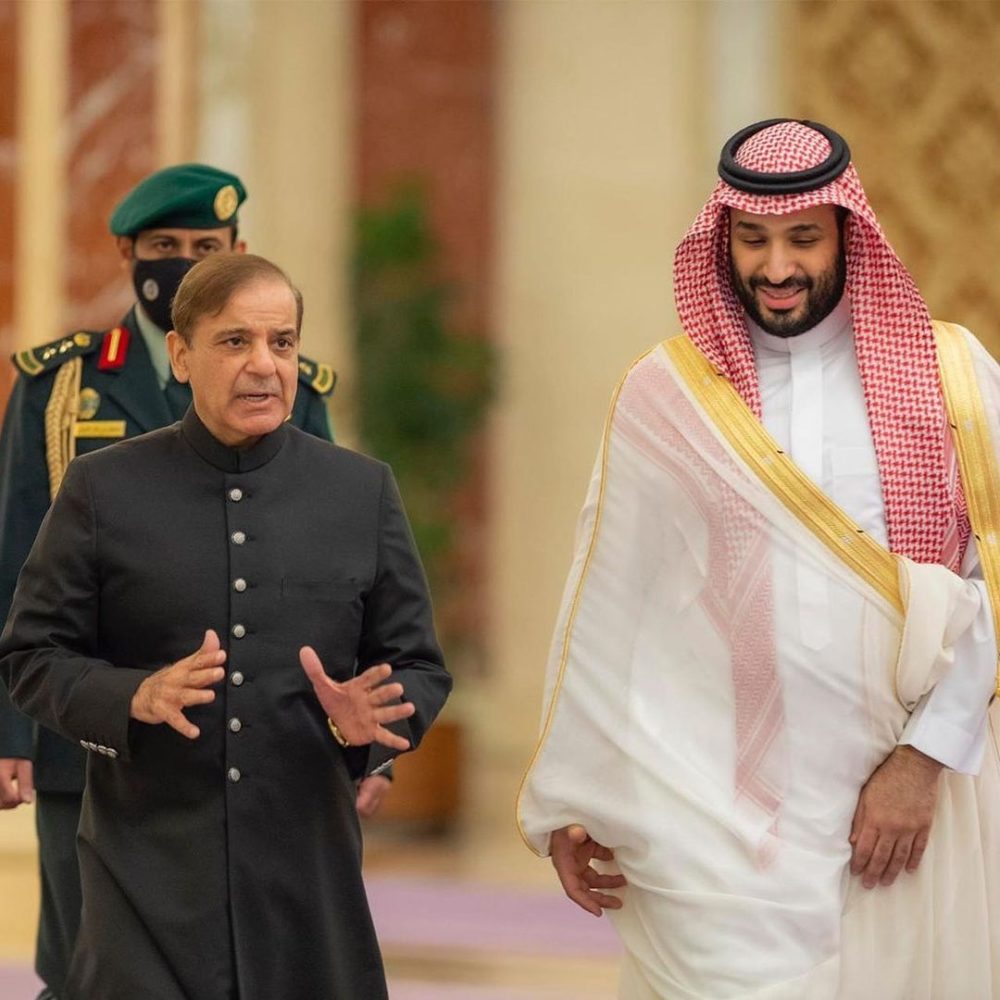
Pakistan’s expanding military role in Saudi Arabia amid the Yemen conflict could strain its defence resources and fragile finances…reports Asian Lite News Desk Pakistan’s military involvement in the war in Yemen may prove unsustainable because of mounting financial pressures and competing security demands, according to a new report. Islamabad’s growing military presence in Saudi Arabia risks stretching its defence resources while exposing the country to greater strategic and economic challenges. An article by Andrew Wilson in One World Outlook describes Pakistan’s involvement as a case of “fiscal and strategic overreach”, arguing that the country lacks the financial flexibility to sustain an expanded military commitment. Pakistan’s external finances depend heavily on an International Monetary Fund (IMF) programme, financial support from Gulf countries and remittances from Pakistani workers in the region. The report argues that deeper military involvement in the conflict could place additional pressure on these sources of financial stability. It also warns that deploying troops and military equipment abroad could weaken Pakistan’s capacity to address security challenges along its eastern border and deal with two domestic insurgencies. The move could also draw Islamabad into a conflict it has sought to approach cautiously. A Reuters report in May, citing Pakistani security and government sources, said Islamabad had deployed around 8,000 troops, a squadron of approximately 16 aircraft, mostly JF-17 fighter jets, two drone squadrons and a Chinese HQ-9 air-defence battery to Saudi Arabia. According to those sources, Riyadh was financing the deployment, with Pakistani personnel operating the equipment. The sources also said a confidential agreement contemplated the possibility of deploying up to 80,000 troops. Islamabad has not confirmed those figures, although it has acknowledged its military presence in Saudi Arabia, including the deployment of fighter jets at King Abdulaziz Air Base from April. The One World Outlook article argues that Saudi financial support can cover allowances and operating expenses but cannot easily replace military equipment needed elsewhere or resolve the political and strategic challenges of participating in the Yemen conflict. Pakistan’s defence budget is another concern. For the 2026-27 financial year, the federal government allocated PKR 3 trillion, or approximately $10.8 billion, to defence services. The allocation represents an 18 per cent increase from the original PKR 2.55 trillion provision and amounts to around 2.1 per cent of projected gross domestic product (GDP). Defence spending accounts for approximately 16 per cent of the federal government’s PKR 18.8 trillion expenditure. Military pensions are budgeted separately at PKR 822 billion, while debt servicing costs stand at approximately PKR 8 trillion, more than two-and-a-half times the defence allocation. The report argues that these competing financial obligations leave little room for additional military expenditure without placing further pressure on public finances. Pakistan’s reliance on IMF assistance also limits its fiscal flexibility. The country must meet the conditions attached to the programme, including a primary budget surplus target of 2 per cent of GDP and continued restraint on development spending. According to the article, these requirements make it difficult for Islamabad to finance an additional military commitment without compromising other budgetary priorities. Pakistan’s economic indicators offer limited reassurance. Economic growth for the 2025-26 financial year is estimated at between 3.6 and 3.7 per cent, while inflation reached approximately 10.3 per cent in September following an energy price shock. Foreign exchange reserves stood at around $21.5 billion at the end of September. Although this marks an improvement from the low levels recorded in 2023, the report notes that the reserves cover only a few months of imports. Financial assistance from Gulf partners remains central to Pakistan’s external stability. The article says Islamabad holds approximately $8 billion in Saudi deposits at its central bank. In July, the State Bank of Pakistan said Riyadh had extended the maturity of $5 billion in deposits to December 2028, easing the country’s immediate external financing requirements. A further $3 billion deposit was also extended in the spring. However, the article argues that these arrangements provide temporary relief rather than long-term financial independence, particularly as regional conflict threatens the stability of the Gulf economies on which Pakistan relies. The report concludes that Pakistan faces a difficult balance between supporting Saudi Arabia militarily and preserving the financial and military resources needed to address its domestic and regional challenges.

UK and Germany Ratify Kensington Treaty

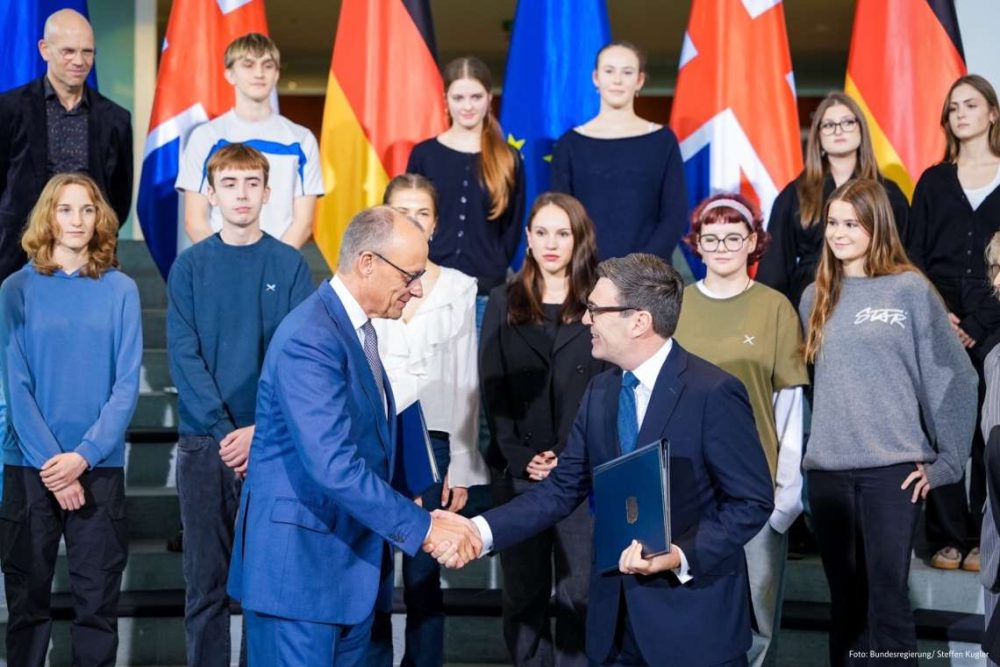
Britain and Germany ratify the Kensington Treaty, agreeing new cooperation on AI, quantum research, defence and security while targeting investment, jobs and Russian hybrid threats…reports Asian Lite News Desk Britain and Germany

Economic tide is turning in Bangladesh

If there is one thing that can bring some comfort to the struggling Bangladeshi economy, it is good relations with India. Bangladesh should remember that Delhi’s backing, through easy supplies of essentials

DP World Lands 15-Year Bangladesh Port Deal

The agreement between the Chittagong Port Authority (CPA) and DP World covers the New Mooring Container Terminal…reports Asian Lite News Desk Bangladesh has signed a 15-year concession agreement with global ports operator
Go toTop

Don't Miss

Russia holds Baltic drill amid NATO exercises

About 60 surface warships, boats and supply vessels, about 45

Biden to host Swedish PM in a show of support for NATO bid  

Sweden and neighbor Finland ended their longstanding policy of military