September 18, 2024
3 mins read

Pakistan delays ‘constitutional package’ amid lack of consensus

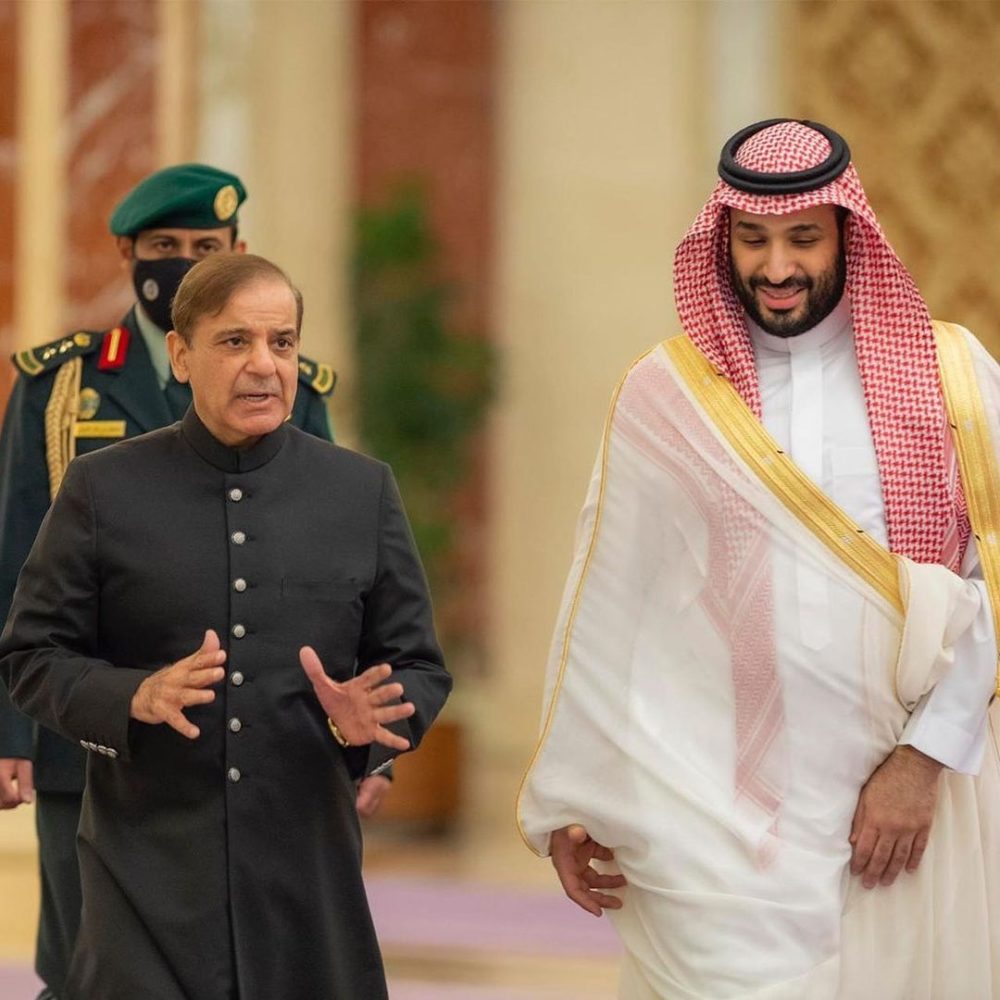
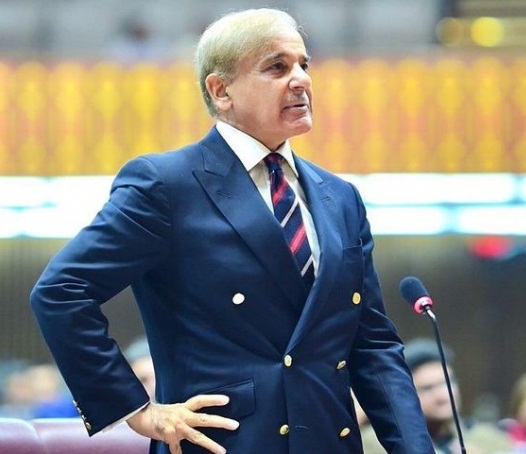
Shehbaz Sharif.(photo:instagram)

Despite claims of having sufficient support for the constitutional amendments, the government’s reluctance to present the package appears to be largely due to opposition from the JUI-F….reports Asian Lite News

The much-anticipated ‘Constitutional Package’ failed to make its way to the parliament even on Tuesday as the Pakistan government deferred presenting the proposed amendments, saying that it would bring the legislation before the house after a consensus had been achieved, Dawn reported.

Despite claims of having sufficient support for the constitutional amendments, the government’s reluctance to present the package appears to be largely due to opposition from the JUI-F. The government’s efforts to address the objections through backchannel negotiations are ongoing.

Although the package was not presented to parliament, a draft of the proposed constitutional changes began circulating widely on social media and mainstream outlets, offering a glimpse into the government’s plans for the judiciary.

According to leaders from the PML-N, this draft was not intended to be the final version. The government plans to incorporate feedback from opposition parties before finalising the document.

Law Minister Azam Nazeer Tarar clarified in the National Assembly that the draft shared was a preliminary working paper rather than the conclusive draft.

Barrister Aqeel Malik, an aide to the Prime Minister on legal matters, mentioned in a television interview that objections to certain clauses of the proposed bill were the reason it wasn’t tabled in parliament on Monday.

“There were some objections to some of the clauses of the proposed bill, that was why it could not be tabled in parliament [on Monday],” he stated.

He further emphasised that the government aims to secure a consensus and is prepared to amend the proposal accordingly, indicating that the bill would not be presented until broader agreement is achieved, as reported by Dawn.

PML-N leader Tariq Fazal Chaudhry announced on TV that the government plans to make another attempt to pass the package within the next two to three weeks. He noted that the government needs 13 opposition votes to achieve the two-thirds majority required for the constitutional amendment.

Earlier on Monday, Pakistan Prime Minister Shehbaz Sharif met with a delegation from the PPP, led by Bilawal Bhutto-Zardari. The discussion focused on securing support for the ‘Constitutional Package’. According to the Prime Minister’s Office, both parties reviewed the proposed amendments in depth and agreed to broaden the consultation process.

Prime Minister Shehbaz emphasised that constitutional amendments fall within the purview of parliament’s rights and stated that the proposed changes aim to deliver immediate and effective justice. He encouraged PPP leaders to continue their involvement in the consultative process.

Dawn reported citing sources that while the Jamiat Ulema-e-Islam (F) and Imran Khan-founded Pakistan Tehreek-e-Insaf (PTI) have largely agreed with the package’s provisions, including the creation of a constitutional court, they oppose a proposal to extend the tenure of the Chief Justice and other Supreme Court judges.

Senator Irfan Siddiqui announced that the ‘Constitutional Package’ would not be presented to parliament on Monday, leading to the prorogation of both the Senate and National Assembly sessions.

Senator Siddiqui also said that the draft circulated was not the final version and needed further refinement with input from all parliamentary parties. He added that JUI-F chief Maulana Fazlur Rehman had not outright rejected the package but sought more time to review the proposed amendments

Siddiqui affirmed hope that the government would refine the proposal over the next two weeks to address all stakeholders’ concerns before presenting it again. He noted that there were no objections to the establishment of a constitutional court, intended to handle constitutional matters and reduce the backlog in the Supreme Court, which currently has over 60,000 pending cases.

Siddiqui mentioned that the delay was partly due to the government’s attempt to keep all ruling alliance members in the capital, which had become challenging. (ANI)

ALSO READ: Indian Navy, IAF dispatch second tranche of aid to Myanmar
Previous Story

NGO report reveals widespread misuse of Pakistan’s blasphemy laws

Next Story

Bangladesh police arrest advocacy group leader Kabir

Previous Story

NGO report reveals widespread misuse of Pakistan’s blasphemy laws

Next Story

Bangladesh police arrest advocacy group leader Kabir

Latest from -Top News

Pakistan Risks Overstretching Itself in Yemen War

Pakistan’s expanding military role in Saudi Arabia amid the Yemen conflict could strain its defence resources and fragile finances…reports Asian Lite News Desk Pakistan’s military involvement in the war in Yemen may prove unsustainable because of mounting financial pressures and competing security demands, according to a new report. Islamabad’s growing military presence in Saudi Arabia risks stretching its defence resources while exposing the country to greater strategic and economic challenges. An article by Andrew Wilson in One World Outlook describes Pakistan’s involvement as a case of “fiscal and strategic overreach”, arguing that the country lacks the financial flexibility to sustain an expanded military commitment. Pakistan’s external finances depend heavily on an International Monetary Fund (IMF) programme, financial support from Gulf countries and remittances from Pakistani workers in the region. The report argues that deeper military involvement in the conflict could place additional pressure on these sources of financial stability. It also warns that deploying troops and military equipment abroad could weaken Pakistan’s capacity to address security challenges along its eastern border and deal with two domestic insurgencies. The move could also draw Islamabad into a conflict it has sought to approach cautiously. A Reuters report in May, citing Pakistani security and government sources, said Islamabad had deployed around 8,000 troops, a squadron of approximately 16 aircraft, mostly JF-17 fighter jets, two drone squadrons and a Chinese HQ-9 air-defence battery to Saudi Arabia. According to those sources, Riyadh was financing the deployment, with Pakistani personnel operating the equipment. The sources also said a confidential agreement contemplated the possibility of deploying up to 80,000 troops. Islamabad has not confirmed those figures, although it has acknowledged its military presence in Saudi Arabia, including the deployment of fighter jets at King Abdulaziz Air Base from April. The One World Outlook article argues that Saudi financial support can cover allowances and operating expenses but cannot easily replace military equipment needed elsewhere or resolve the political and strategic challenges of participating in the Yemen conflict. Pakistan’s defence budget is another concern. For the 2026-27 financial year, the federal government allocated PKR 3 trillion, or approximately $10.8 billion, to defence services. The allocation represents an 18 per cent increase from the original PKR 2.55 trillion provision and amounts to around 2.1 per cent of projected gross domestic product (GDP). Defence spending accounts for approximately 16 per cent of the federal government’s PKR 18.8 trillion expenditure. Military pensions are budgeted separately at PKR 822 billion, while debt servicing costs stand at approximately PKR 8 trillion, more than two-and-a-half times the defence allocation. The report argues that these competing financial obligations leave little room for additional military expenditure without placing further pressure on public finances. Pakistan’s reliance on IMF assistance also limits its fiscal flexibility. The country must meet the conditions attached to the programme, including a primary budget surplus target of 2 per cent of GDP and continued restraint on development spending. According to the article, these requirements make it difficult for Islamabad to finance an additional military commitment without compromising other budgetary priorities. Pakistan’s economic indicators offer limited reassurance. Economic growth for the 2025-26 financial year is estimated at between 3.6 and 3.7 per cent, while inflation reached approximately 10.3 per cent in September following an energy price shock. Foreign exchange reserves stood at around $21.5 billion at the end of September. Although this marks an improvement from the low levels recorded in 2023, the report notes that the reserves cover only a few months of imports. Financial assistance from Gulf partners remains central to Pakistan’s external stability. The article says Islamabad holds approximately $8 billion in Saudi deposits at its central bank. In July, the State Bank of Pakistan said Riyadh had extended the maturity of $5 billion in deposits to December 2028, easing the country’s immediate external financing requirements. A further $3 billion deposit was also extended in the spring. However, the article argues that these arrangements provide temporary relief rather than long-term financial independence, particularly as regional conflict threatens the stability of the Gulf economies on which Pakistan relies. The report concludes that Pakistan faces a difficult balance between supporting Saudi Arabia militarily and preserving the financial and military resources needed to address its domestic and regional challenges.
Go toTop

Don't Miss

A disturbed Kabul is not good for Pakistan

While there are differences between Pakistan and Afghanistan on the

Pak spy chief wants no coverage in media

Ever since his appointment as the DG ISI, none of