April 26, 2024
4 mins read

UAE, Austria vow to deepen ties

During the ceremony, the two sides praised the progress made in their bilateral relations, stressing the need to continue strengthening joint work…reports Asian Lite News

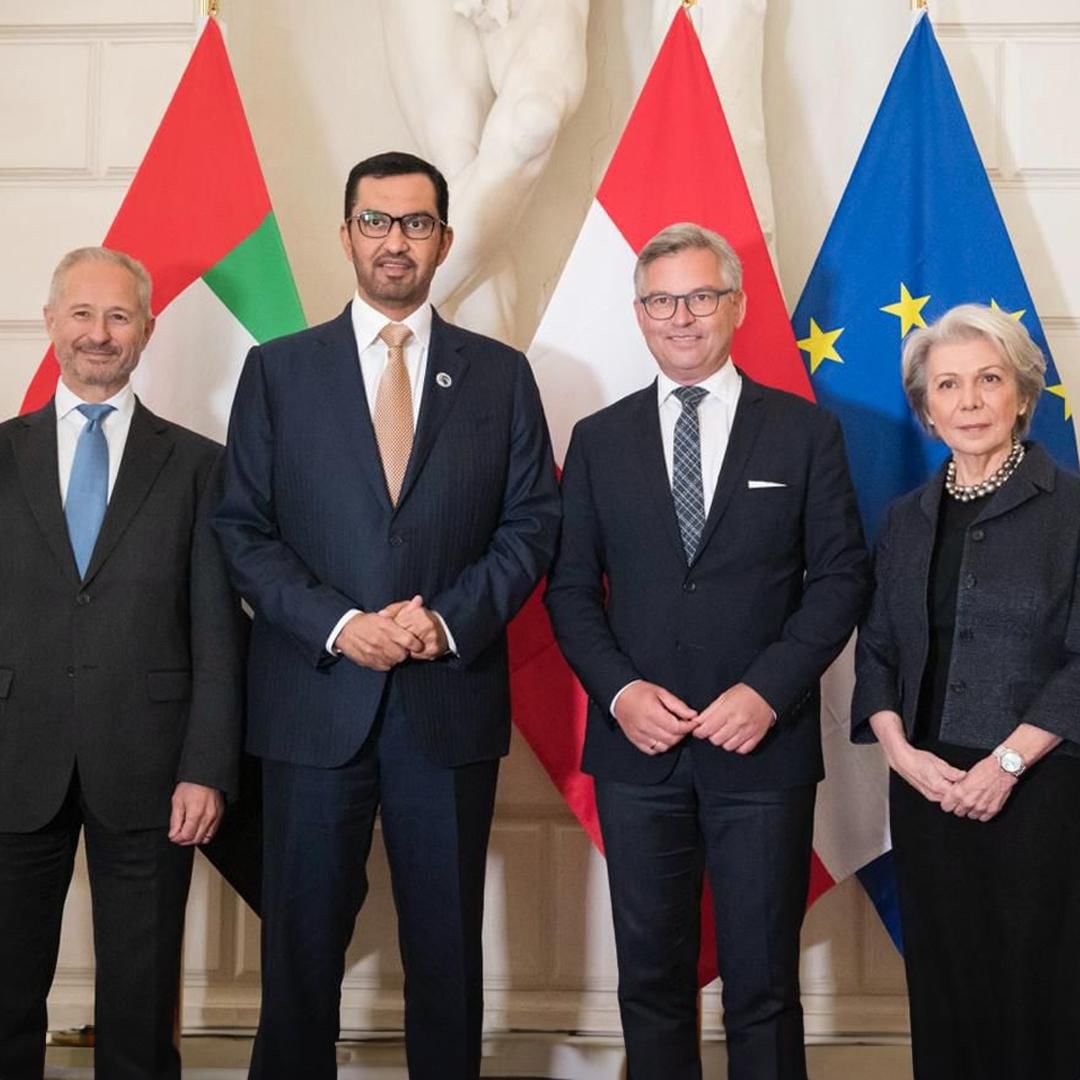
UAE Minister of Industry Dr. Sultan bin Ahmed Al Jaber has met with Karl Nehammer, Chancellor of Austria Alexander Schallenberg, Austria’s Minister of Foreign Affairs, Dr. Magnus Brunner, Austria’s Minister of Finance, and a number of Austrian government and private sector officials in Vienna.

Dr. Al Jaber conveyed the greetings of the UAE leadership, emphasising their keenness to bolster UAE-Austria cooperation. He also praised the strong Emirati-Austrian relationship, spanning 50 years, which continues to grow and thrive, highlighting the Comprehensive Strategic Partnership announced in 2021 as a recent example. Dr. Al Jaber stressed the importance of further expanding existing ties through the pursuit of new collaborations that drive mutually beneficial and sustainable economic yields, and joint investments that drive economic diversification efforts, strengthen cooperation, and deliver benefits for both countries in vital sectors.

Dr. Al Jaber also commended Austria’s positive and active participation in COP28, where it announced an increase in its contribution to the Green Climate Fund (GCF) to €160 million per annum, its support for initiatives to boost renewable energy production capacity threefold and double energy efficiency by 2030, as well as its announcements and commitments related to agriculture, food systems and health.

The Austrian side praised the strategic ties and affirmed the desire to advance them across all sectors within the strategic partnership, which includes political, economic, trade, financial, cultural, advanced technology, and artificial intelligence (AI) fields, as well as infrastructure, energy, and renewable energy. They also congratulated the UAE on its presidency and organization of COP28, during which it succeeded in delivering the UAE Consensus to transition away from fossil fuels in energy, and other strategic initiatives and commitments set to turbocharge global climate action. The two sides stressed the importance of building on the outputs of the conference and working to implement them.

First Ministerial Meeting

Chaired by Dr. Sultan Al Jaber and Alexander Schallenberg, the first ministerial meeting of the UAE- Austria Comprehensive Strategic Partnership took place during the visit. The meeting included deliberations on the latest developments in bilateral relations related to all facets of the partnership, which includes political, diplomatic, and international cooperation areas, including strengthening diplomatic efforts aimed at resolving global crises that threaten international peace and security. It also discussed cooperation across economic, energy, trade, industry, and advanced technology fields, including AI and data centers, as well as cross-sectoral partnerships and collaboration in arts, culture, and heritage.

Half a Century of Bilateral Ties

The Austrian Chancellor hosted the UAE delegation at a private meeting in which both sides celebrated the golden jubilee of the establishment of the bilateral relations between their countries, which developed into a comprehensive strategic partnership in 2021, aimed at ushering in an ambitious phase of cooperation to achieve their shared aspirations for further development and prosperity. During the ceremony, the two sides praised the progress made in their bilateral relations, stressing the need to continue strengthening joint work and uncovering new cooperation prospects to reach the ambitions of the leaderships of the two countries and the objectives of the UAE-Austria Comprehensive Strategic Partnership.

ADNOC-OMV @ 30

“It is our honor to celebrate two significant anniversaries during the visit of His Excellency Dr. Sultan Al Jaber. This year marks 50 years since the establishment of diplomatic relations between our countries and 30 years of a strong partnership between OMV and Abu Dhabi. As the Finance Minister of the Republic of Austria, I am pleased that amidst the diplomatic visit, there is also time and space to highlight the economic partnership. Economic cooperation is not only beneficial for the positive development of companies but also a success story for taxpayers,” stated Finance Minister Dr. Magnus Brunner.

The partners also celebrated the occasion of nearly three decades of the cooperation between ADNOC and OMV, based on a shareholder´s agreement with ÖBAG, the state holding company, which has greatly contributed to building strategic partnerships in the energy and chemicals sectors, creating value, driving growth, and supporting the priorities of the two countries in achieving and maintaining energy security, and exploring new opportunities in the fields of clean and renewable energy, including hydrogen

Trade and Direct Investments

The UAE is Austria’s top investment partner in the Middle East and North Africa (MENA) region and sixth globally, with Emirati investments amounting to approximately $8.2 billion (4% of total foreign investment flows in Austria) in 2023, while Austria stands at 10th among the UAE’s trading partners at the European Union level. The UAE also ranks first as Austria’s largest trading partner among the GCC countries (43% of Austria’s total trade with GCC countries) and second among Arab countries (16% of Austria’s total trade exchange with Arab countries). The volume of UAE-Austria non-oil trade in the first nine months of 2023 recorded a growth of 18% year-on-year reaching around $1 billion.

ALSO READ-Austrian Activist Freed From Taliban Custody

Previous Story

EU raids offices of Chinese security equipment maker

Next Story

93 arrested at University of Southern California for anti-Israel protests

Previous Story

EU raids offices of Chinese security equipment maker

Next Story

93 arrested at University of Southern California for anti-Israel protests

Latest from -Top News

Pakistan Risks Overstretching Itself in Yemen War

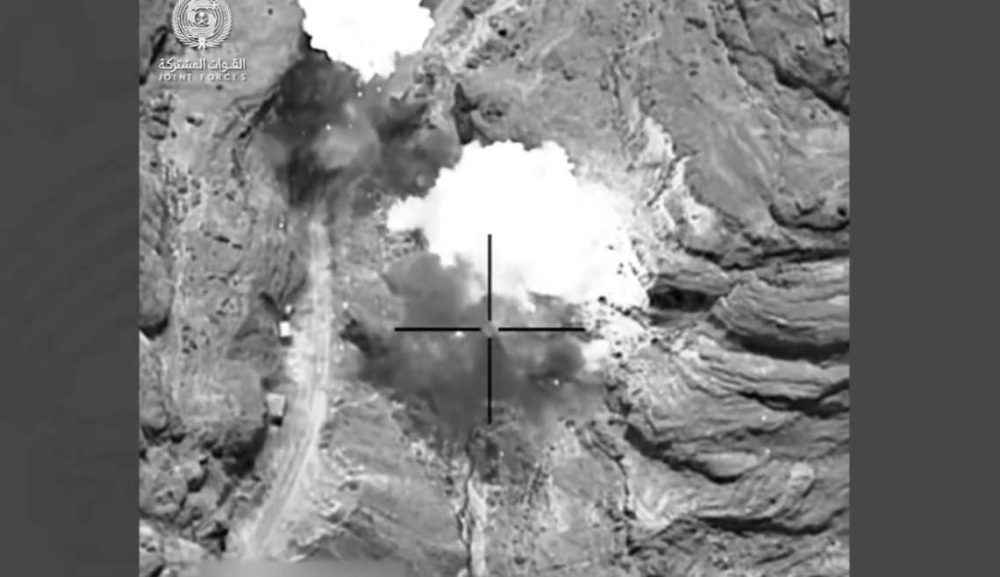
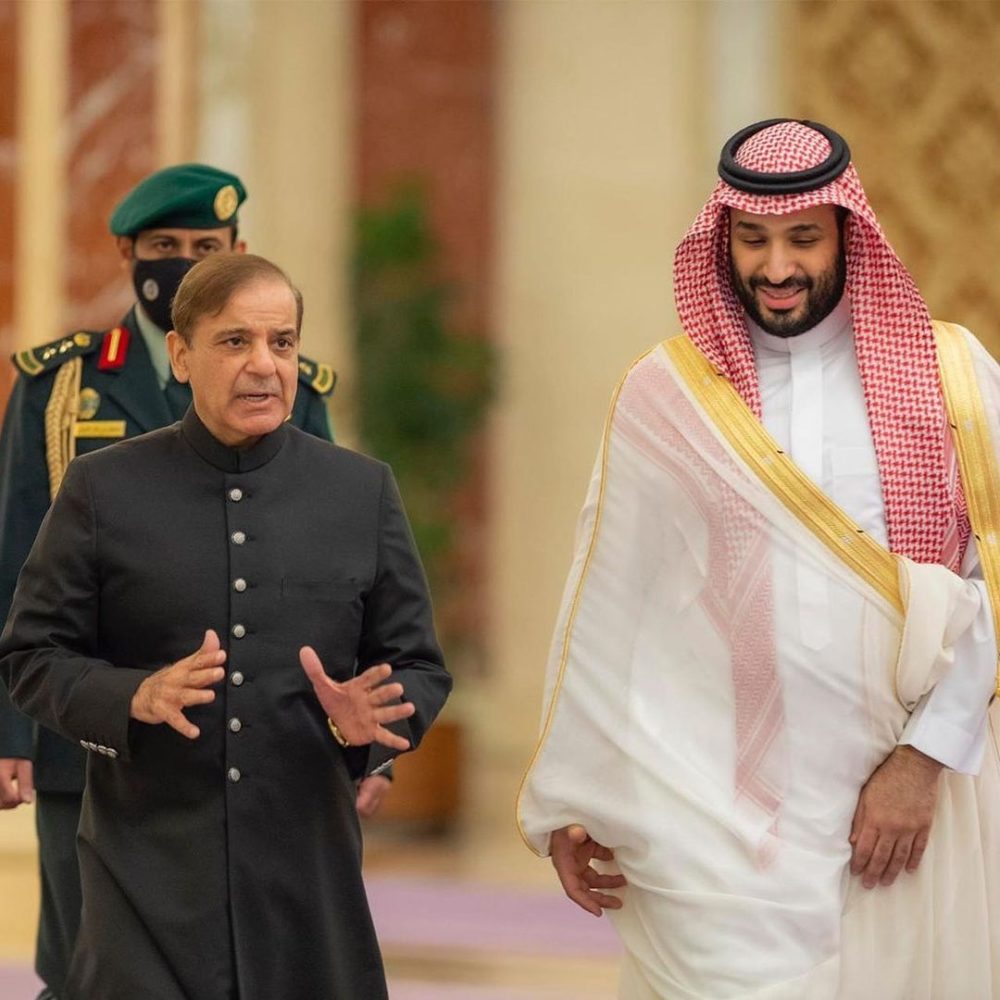
Pakistan’s expanding military role in Saudi Arabia amid the Yemen conflict could strain its defence resources and fragile finances…reports Asian Lite News Desk Pakistan’s military involvement in the war in Yemen may prove unsustainable because of mounting financial pressures and competing security demands, according to a new report. Islamabad’s growing military presence in Saudi Arabia risks stretching its defence resources while exposing the country to greater strategic and economic challenges. An article by Andrew Wilson in One World Outlook describes Pakistan’s involvement as a case of “fiscal and strategic overreach”, arguing that the country lacks the financial flexibility to sustain an expanded military commitment. Pakistan’s external finances depend heavily on an International Monetary Fund (IMF) programme, financial support from Gulf countries and remittances from Pakistani workers in the region. The report argues that deeper military involvement in the conflict could place additional pressure on these sources of financial stability. It also warns that deploying troops and military equipment abroad could weaken Pakistan’s capacity to address security challenges along its eastern border and deal with two domestic insurgencies. The move could also draw Islamabad into a conflict it has sought to approach cautiously. A Reuters report in May, citing Pakistani security and government sources, said Islamabad had deployed around 8,000 troops, a squadron of approximately 16 aircraft, mostly JF-17 fighter jets, two drone squadrons and a Chinese HQ-9 air-defence battery to Saudi Arabia. According to those sources, Riyadh was financing the deployment, with Pakistani personnel operating the equipment. The sources also said a confidential agreement contemplated the possibility of deploying up to 80,000 troops. Islamabad has not confirmed those figures, although it has acknowledged its military presence in Saudi Arabia, including the deployment of fighter jets at King Abdulaziz Air Base from April. The One World Outlook article argues that Saudi financial support can cover allowances and operating expenses but cannot easily replace military equipment needed elsewhere or resolve the political and strategic challenges of participating in the Yemen conflict. Pakistan’s defence budget is another concern. For the 2026-27 financial year, the federal government allocated PKR 3 trillion, or approximately $10.8 billion, to defence services. The allocation represents an 18 per cent increase from the original PKR 2.55 trillion provision and amounts to around 2.1 per cent of projected gross domestic product (GDP). Defence spending accounts for approximately 16 per cent of the federal government’s PKR 18.8 trillion expenditure. Military pensions are budgeted separately at PKR 822 billion, while debt servicing costs stand at approximately PKR 8 trillion, more than two-and-a-half times the defence allocation. The report argues that these competing financial obligations leave little room for additional military expenditure without placing further pressure on public finances. Pakistan’s reliance on IMF assistance also limits its fiscal flexibility. The country must meet the conditions attached to the programme, including a primary budget surplus target of 2 per cent of GDP and continued restraint on development spending. According to the article, these requirements make it difficult for Islamabad to finance an additional military commitment without compromising other budgetary priorities. Pakistan’s economic indicators offer limited reassurance. Economic growth for the 2025-26 financial year is estimated at between 3.6 and 3.7 per cent, while inflation reached approximately 10.3 per cent in September following an energy price shock. Foreign exchange reserves stood at around $21.5 billion at the end of September. Although this marks an improvement from the low levels recorded in 2023, the report notes that the reserves cover only a few months of imports. Financial assistance from Gulf partners remains central to Pakistan’s external stability. The article says Islamabad holds approximately $8 billion in Saudi deposits at its central bank. In July, the State Bank of Pakistan said Riyadh had extended the maturity of $5 billion in deposits to December 2028, easing the country’s immediate external financing requirements. A further $3 billion deposit was also extended in the spring. However, the article argues that these arrangements provide temporary relief rather than long-term financial independence, particularly as regional conflict threatens the stability of the Gulf economies on which Pakistan relies. The report concludes that Pakistan faces a difficult balance between supporting Saudi Arabia militarily and preserving the financial and military resources needed to address its domestic and regional challenges.
Go toTop

Don't Miss

Emirati Field Hospital Begins Entering Gaza

An Emirati medical team will supervise the field hospital and

UAE urges int’l community to support Palestinian people

The UAE called for the continuation of the ceasefire between