February 25, 2024
3 mins read

‘Zero-tolerance policy towards misuse of money in polls’

CEC chief on Saturday asserted that the Election Commission determines to ensure free, fair, and transparent elections….reports Asian Lite News

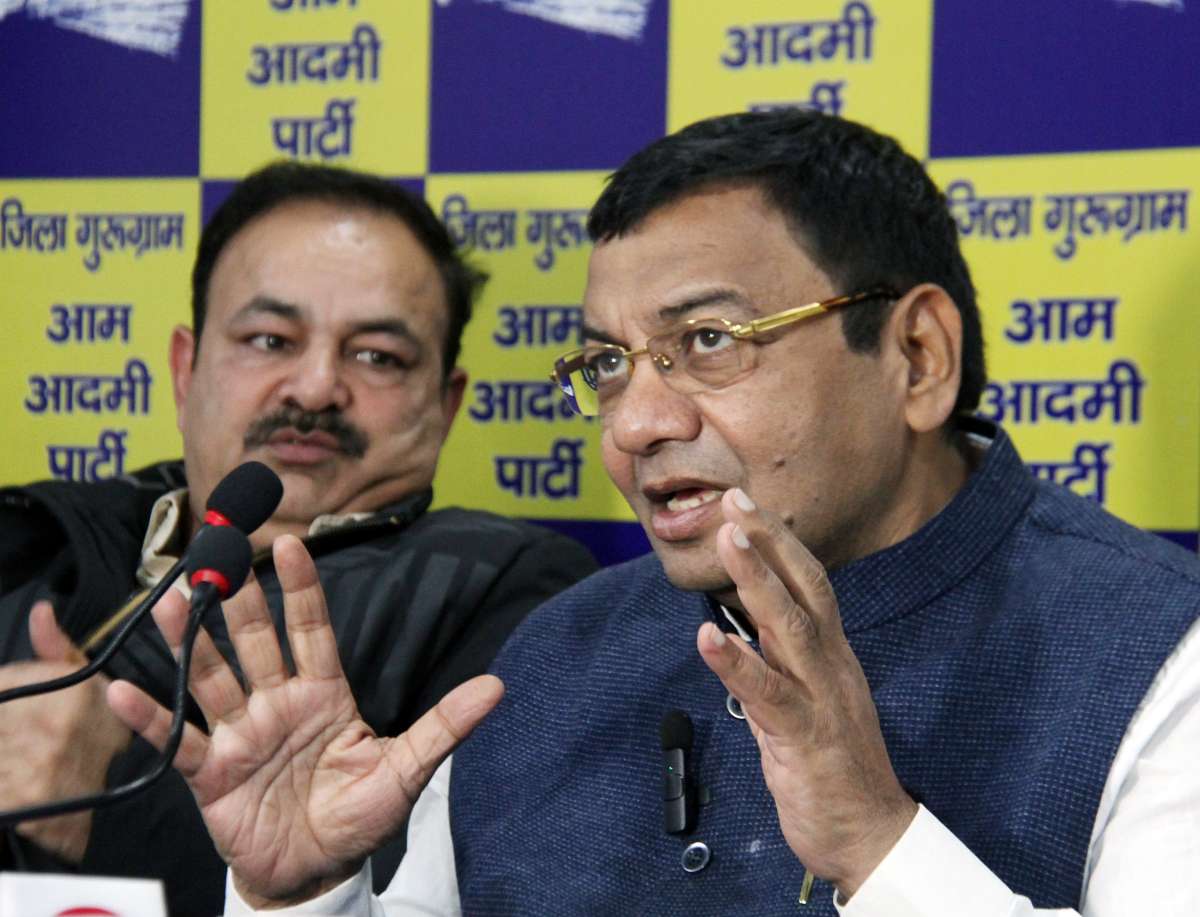
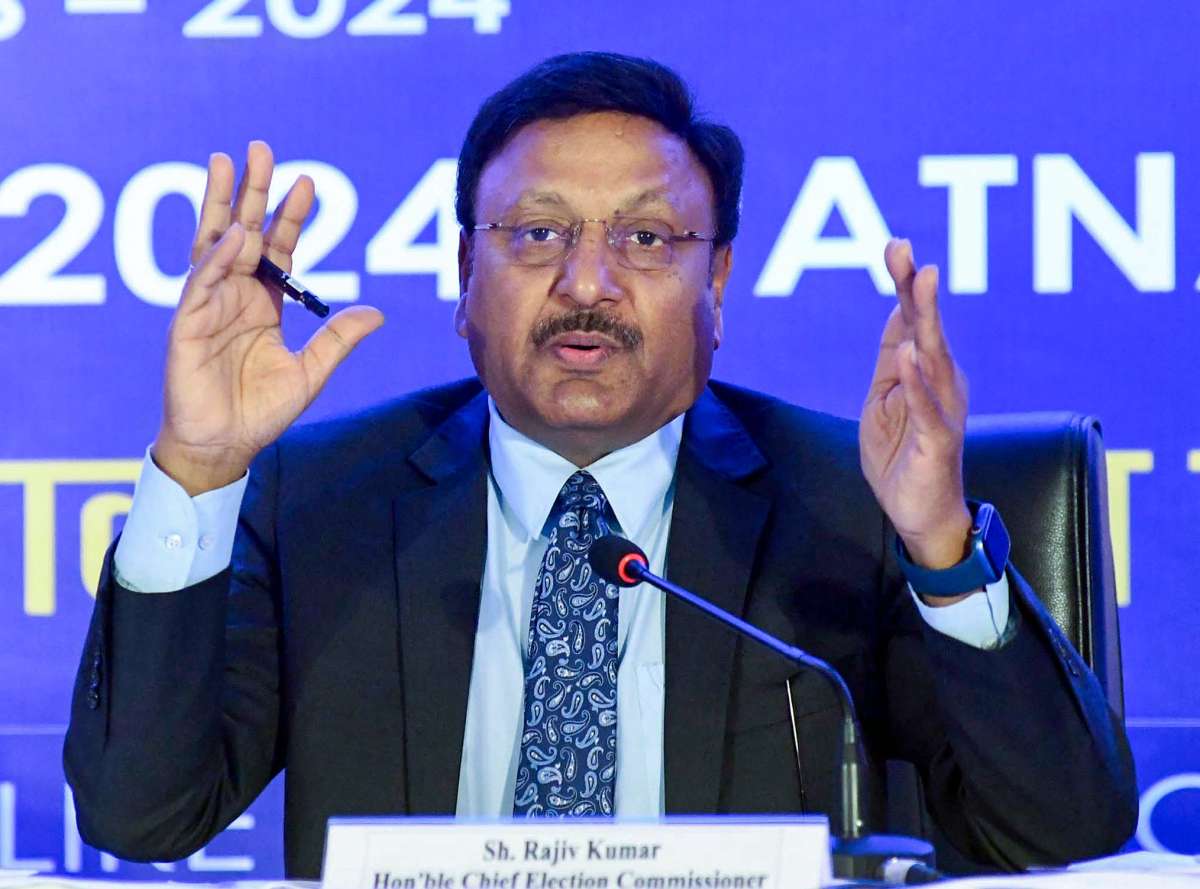
Chief Election Commissioner Rajiv Kumar on Saturday issued a stern warning to political parties, emphasizing a “zero-tolerance policy” towards the “misuse of money” during the upcoming Lok Sabha elections.

CEC chief accompanied by senior officials of the Election Commission of India, on Friday commenced his two-day review of Tamil Nadu’s preparedness for the Lok Sabha elections.

Addressing a press conference CEC chief on Saturday asserted that the Election Commission determines to ensure free, fair, and transparent elections.

“The Commission is extremely determined and all the collectors, all the enforcement agencies have been told about this that we want an inducement free elections. Free, fair, and transparent elections,” CEC Rajiv Kumar said.

CEC unequivocally declared the Commission’s zero tolerance towards the misuse of money, distribution of money, or distribution of freebies in any form, emphasizing a commitment to conducting elections free from inducement.

“And by inducement we mean the misuse of money in the elections would not be tolerated. The commission is absolutely zero tolerance towards the misuse of money and distribution of money,” he added.

The Chief Election Commissioner emphasized the commitment to ensure minimum facilities at providing at all polling stations.

“These facilities include provisions for drinking water, electricity, toilets, ramps, and wheelchairs. The move aims not only to facilitate a smoother electoral process but also to showcase the capabilities of individuals from diverse backgrounds who will be actively involved in managing the booths,” he added.

Expressing the Commission’s resolve, Kumar stated that the Commission is extremely determined, and all collectors, along with enforcement agencies, have been instructed that we aspire for inducement-free elections.

In the progressive initiative, the Chief Election Commissioner of India said that for the upcoming polls, some of the booths will be managed by PwD employees, some by women and some by youth.

“We will have some booths managed by PwD employees, some by women and some by youth. This is to empower them… It is a demonstration of their capabilities and empowerment,” he added.

ECI chief said that the poll body had a detailed review of election preparedness for the last two days.

“TN has a long history of local governance and tradition of democracy. I appeal to you all voters of TN to come in big numbers to join the festival of democracy,” he added.

He further informed that the commission is extremely determined and wants inducement-free elections like distribution of money and usage of money.

“In Tamil Nadu, there are 6.19 crore election voters of which 3.4 crore are male, 3.15 crore are female and 8294 are Transgender. First-time voters 18 and 19 age are 9.18 lakh voters in the state,” he added.

He further said that the political parties demanded that permissions for the rally and entitlements that these political parties have been given on an equal footing.

“CCTV cameras should be put in the most extended area possible on polling booths. CRPF should be deployed in the sensitive booths. Many parties demanded that elections be conducted in one phase. They also wanted strict actions against the impersonation cases that people try to do during voting,” he added.

The Commission held meetings with representatives of political parties in the state. The review meetings were also held with District Collectors and Superintendents of Police, the officials said.

CEC Rajiv Kumar, along with Election Commissioner Arun Goel and other key officials, arrived in Chennai to oversee the preparatory activities. Their visit was part of the Election Commission’s effort to ensure the integrity and transparency of the electoral process.

The delegation met representatives from various recognised political parties. The discussions encompassed crucial aspects such as polling station arrangements, and the implementation of the electoral code of conduct. (ANI)

ALSO READ: BJP core group meeting focuses on prominent seats in 5 states for LS polls
Previous Story

BJP core group meeting focuses on prominent seats in 5 states for LS polls
Next Story

BJP is scared of INDIA bloc, says AAP leader

Previous Story

BJP core group meeting focuses on prominent seats in 5 states for LS polls
Next Story

BJP is scared of INDIA bloc, says AAP leader

Latest from -Top News

Nepal Floods Cause $1.66 Billion In Damage, Says World Bank

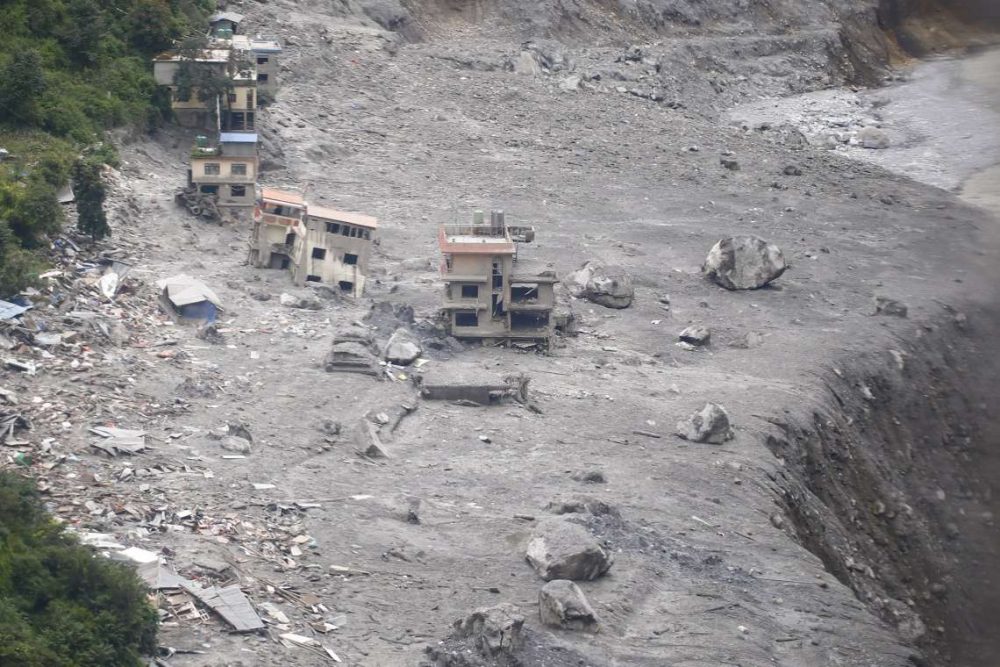
Nepal’s August 2026 floods caused an estimated US$1.66 billion in direct physical damage, with infrastructure accounting for 83 per cent of the total…reports Asian Lite News Desk Nepal’s devastating floods in August 2026 caused an estimated US$1.66 billion in direct physical damage, with infrastructure accounting for 83 per cent of the total, according to a World Bank report. The estimate, included in the World Bank’s Nepal Development Update unveiled this week, is close to the Nepal government’s preliminary Rapid Damage and Needs Assessment (RDNA), which put physical damage at US$1.81 billion. The government’s assessment also estimated losses beyond physical assets at US$883.32 million, taking the total economic effects of the disaster to approximately US$2.7 billion. The World Bank’s Global Rapid Post-Disaster Damage Estimation (GRADE) found that infrastructure suffered the greatest damage, estimated at US$1.38 billion, or 83 per cent of the total. Residential buildings accounted for US$185 million, or 11 per cent, while non-residential buildings sustained damage worth US$101 million, or 6 per cent. The floods along the Bhotekoshi and Trishuli rivers caused extensive damage to hydropower projects, solar energy facilities, electricity transmission infrastructure and transport networks. The energy sector, particularly hydropower, was among the worst affected. The August 2026 floods affected 12 hydropower projects and one solar project, involving 281.1 MW of operational capacity and 395.02 MW of capacity under construction. Damage to transmission lines and substations also disrupted the transmission of 149.6 MW of electricity to the national grid. The total affected capacity reached approximately 430.7 MW, equivalent to 10.6 per cent of Nepal’s installed hydropower and solar capacity at the end of fiscal year 2025-26, which concluded in mid-July. The disaster also severely damaged transport infrastructure along the 82-km Rasuwa trade corridor, which connects Kathmandu with the Rasuwagadhi border point with China. More than 55 km of the corridor was damaged, including 40 km that was completely destroyed. The floods also damaged 37 motorable bridges and 68 suspension bridges. The disaster resulted in significant human losses along the affected corridor and beyond. According to Nepal’s National Disaster Risk Reduction and Management Authority, 1,455 people had been confirmed dead, while 5,285 remained missing following the disaster. The World Bank report found that the physical damage was concentrated in three districts in central Nepal: Rasuwa, Nuwakot and Dhading. Rasuwa was the worst-affected district, accounting for US$1.07 billion, or 64 per cent, of the total direct damage. Nuwakot recorded an estimated US$551 million in damage, while Dhading suffered approximately US$39 million. “The findings highlight the concentration of physical damage in a small number of districts and the disproportionate impact on infrastructure, underscoring the scale of the reconstruction challenge facing the affected areas,” the World Bank said. The global development financier said the floods had demonstrated the scale and complexity of disaster risks in Nepal’s Himalayan environment. The event also showed how a single extreme weather event could trigger cascading impacts across sectors and geographical areas. The report said recovery efforts should extend beyond restoring infrastructure to its pre-disaster condition. While the principle of “Build Back Better” remained relevant, the World Bank stressed that rebuilding infrastructure to higher engineering standards in the same locations might not always be sufficient. “In some cases, simply rebuilding the same infrastructure in the same location to a higher engineering standard may not be sufficient. Nepal may need to build differently — based on a better understanding of risk, more careful decisions about location and design, greater redundancy in critical networks, stronger monitoring and early warning, and a more integrated approach to infrastructure development in the Himalayas,” the report said. The World Bank said Nepal’s recovery strategy should incorporate improved risk assessment, more informed infrastructure planning, stronger monitoring systems and better early warning mechanisms. The report emphasised that reconstruction should not only restore damaged assets but also reduce the impact of future disasters, particularly in the country’s vulnerable Himalayan regions.

Vaccine Delays Fuel Bangladesh Measles Outbreak

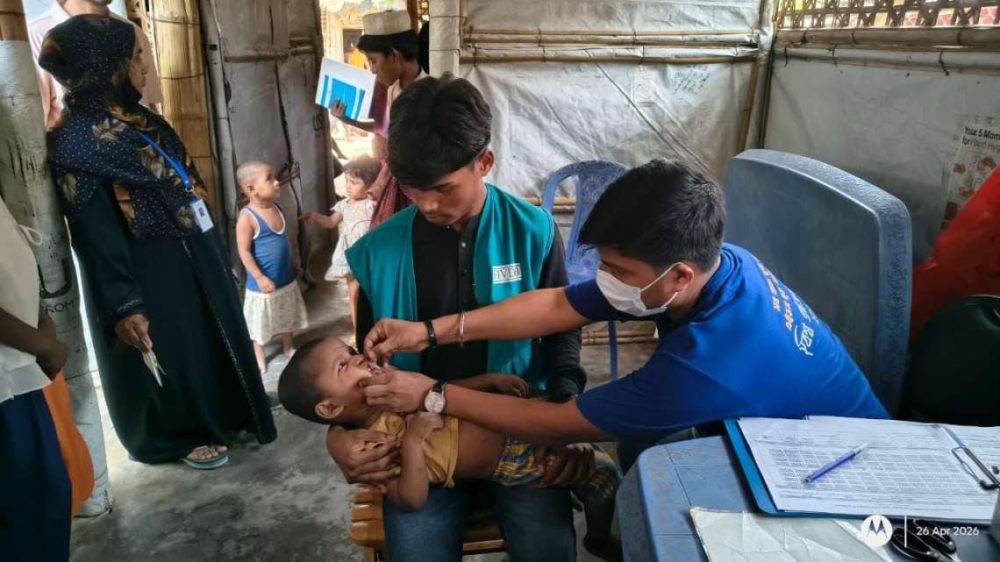
More than 32,000 suspected cases and over 250 deaths have been reported since mid-March, with children making up most of the fatalities….reports Asian Lite News Desk Bangladesh’s measles outbreak has intensified, with

Tsai: Stand With Taiwan, Strengthen The Indo-Pacific

The former president said stronger international partnerships would help Taiwan withstand mounting military, cyber and economic pressure while reinforcing democratic resilience….repots Asian Lite News Desk Former Taiwan President Tsai Ing-wen has called
Go toTop

Don't Miss

‘India came out of pandemic relatively stronger’

World Bank chief says gains made on poverty over the

India, China Advance Border Trade Reopening

India and China are moving ahead with their agreement to