As viral content dictates choices, Kerala’s culinary heritage and cultural identity are getting diluted or overshadowed. Balanced, traditional, seasonal food styles that are gut-friendly are no longer appealing to future generations, except for a few. Youth are gravitating towards globalised ‘comfort’ foods instead of local or nutrient-rich meals..writes Shelja Pallath
Kerala’s food culture is witnessing a drastic change in the modern era. Everything once cooked inside the home is now available in the market, and seasonally adapted culinary ethos have transformed into a late-night, calorie-heavy social ritual. The very relevant point is that all these food trends are heavily influenced by food vloggers, and viral trends occur from a ‘desire for moments’ rather than a healthy or mindful way of eating.
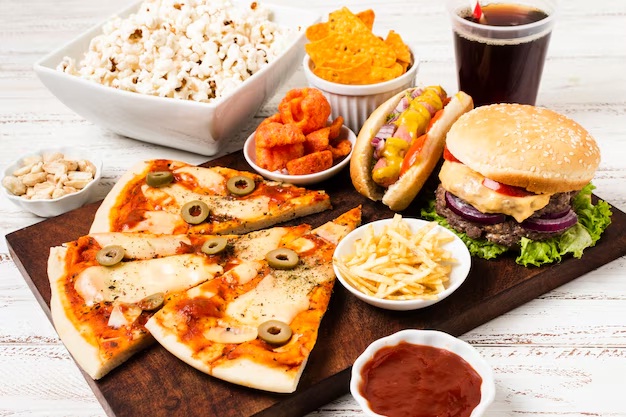
The idea of life after 11 p.m. began in cities, mainly among IT employees, students, and families. Now it has become a social habit that happens along with snacking for entertainment or escape, and for many, it has turned into a weekend necessity. In earlier times, elders did not allow kids or younger members of the home to be awake late at night. After dinner, it was time to sleep, and early wake-ups were considered good for health, unlike today’s late-night lifestyle. People of all ages now sleep during the day and are more active at night. Late hours mean heavy plates. From oversized burgers and layered shawarmas to highly spiced biriyani, calorie-dense meals dominate the night menu. When portions get bigger and flavours get louder, the body begins to struggle to sleep and digest.

The vegetarian shift toward meat is another notable trend. Many long-time vegetarians have begun experimenting with non-vegetarian food, which is quite an unusual transition. The dining-out culture, peer pressure, and anxiety around viral dishes have played major roles in shaping this shift. Even older generations, once accustomed to plant-based food culture, have now become huge fans of shawarma or biriyani trends.
Doctors and nutritionists always warn that erratic meal timings and heavy late-night food increase issues like acidity, indigestion, and inflammation. A sudden shift from plant-based to oily or spicy food disrupts the gut microbiome, affecting the sleep cycle and long-term metabolism. As per records, a population-based study in the capital city of Kerala shows the prevalence of NAFLD among Keralites to be approximately 49.8% of adults over 25, which means roughly one in every two people is affected. This is significantly higher than the global average of 25%. The high rates are mainly linked to lifestyle factors such as unhealthy diets, sedentary habits, obesity, and diabetes, rather than alcohol consumption alone. Obesity has been found to be a more significant risk factor than diabetes in this population.
Cooking expert Pazhayidam Mohanan Namboothiri says the growing influence of Arabic food culture has negatively affected the health of people in Kerala. He believes sudden changes in eating habits do not suit our climate and lifestyle and have led to many health problems. While eating such dishes occasionally is fine, making them a regular habit is harmful, he warns. He also notes that social media plays a big role in promoting these foods, as food bloggers and influencers constantly motivate people to try new dishes without considering health. In an interview with The New Indian Express, he added that although meat can quickly boost strength, it is wrong to say vegetarians are weak. Strength develops slowly in those who eat plant-based foods, and even strong animals like elephants are strict vegetarians. Mohanan Namboothiri said people are free to eat what they like, but meat is harder to digest because the human digestive tract is long. He also pointed out that many communities traditionally considered vegetarian, including some Brahmin groups, eat fish or meat. Food does not determine a person’s character or morality, he noted, adding that even Hitler was a vegetarian.
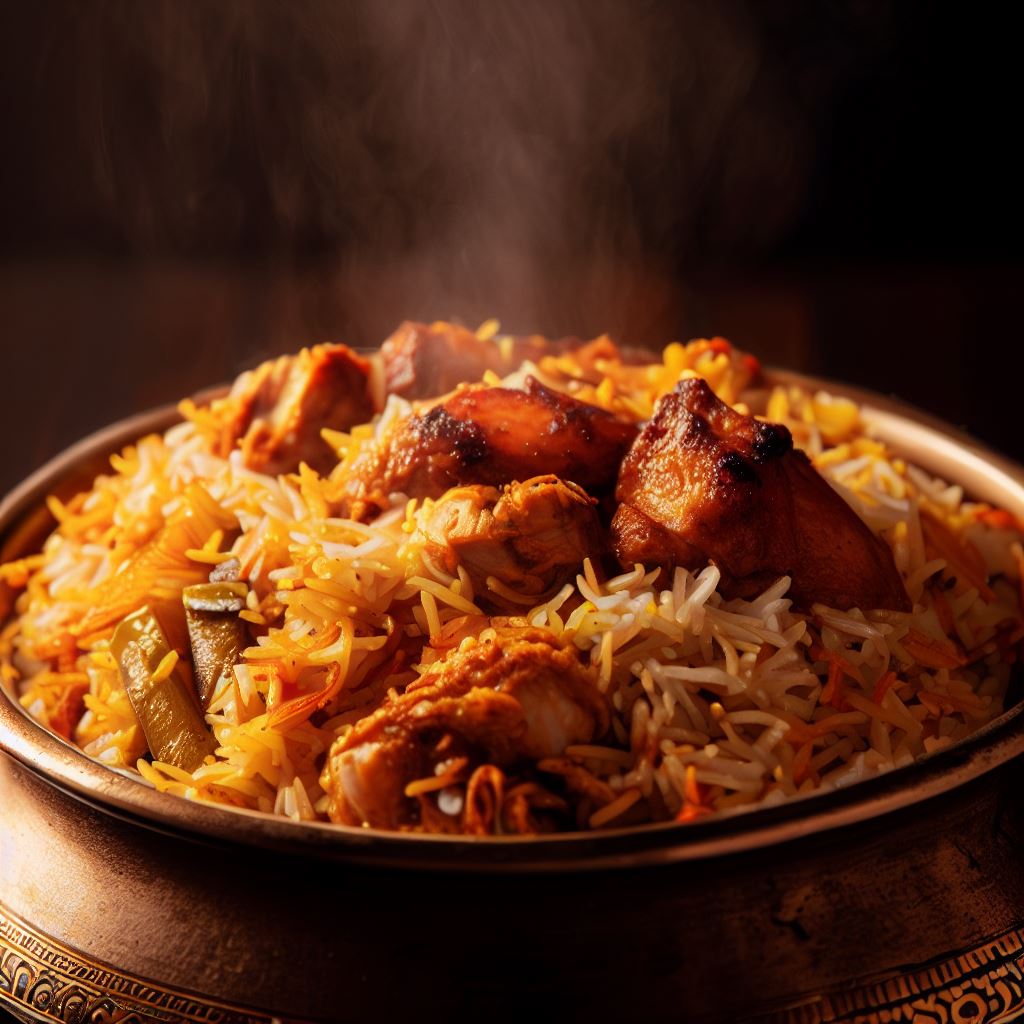
The recent ‘Njettikkal Biriyani’ and ‘Bun Maska’ trends are examples of social-media-driven crazes. What started as a local favourite has now turned into a statewide sensation. People drive hours for a glass of tea or a plate of biriyani, not necessarily because it is the most delicious, but because it’s an experience everyone else seems to be having. The point is ‘moments over meals’. Dining out is not merely about food; it is an emotion and a tendency to capture that moment. For food vloggers, food becomes content, content becomes currency, and taste becomes secondary.

As viral content dictates choices, Kerala’s culinary heritage and cultural identity are getting diluted or overshadowed. Balanced, traditional, seasonal food styles that are gut-friendly are no longer appealing to future generations, except for a few. Youth are gravitating towards globalised ‘comfort’ foods instead of local or nutrient-rich meals.
Modern lifestyle changes are understandable, but balance is crucial. Kerala’s evolving food culture may be fun and exciting for now, but mindful eating is important to avoid severe health issues in the late 30s or 40s—or even earlier—if we continue normalising these unhealthy routines.