As the review proceeds, multiple reports and videos have emerged alleging rigging and manipulation in two recent by-elections….reports Asian Lite News
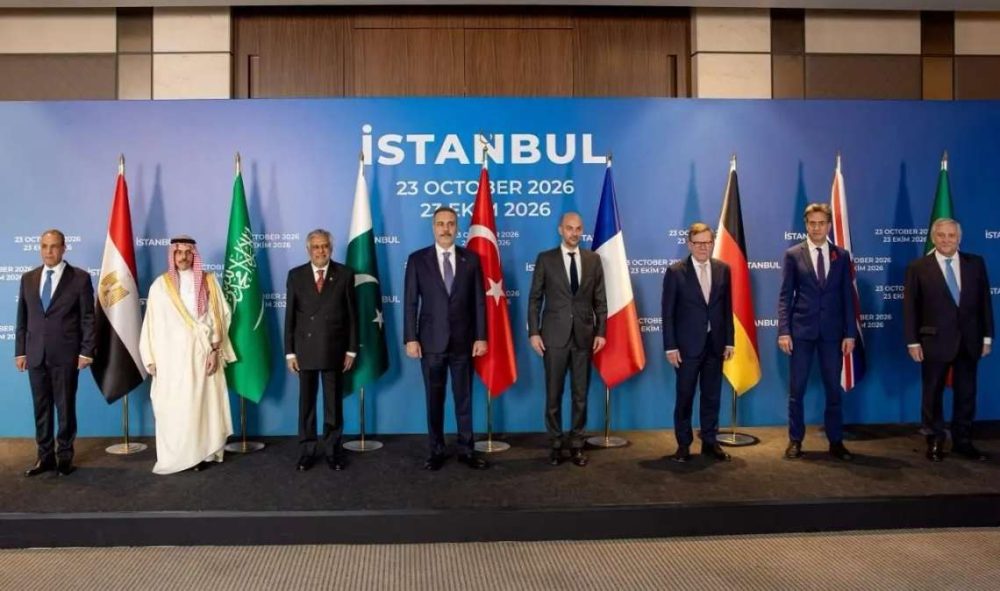
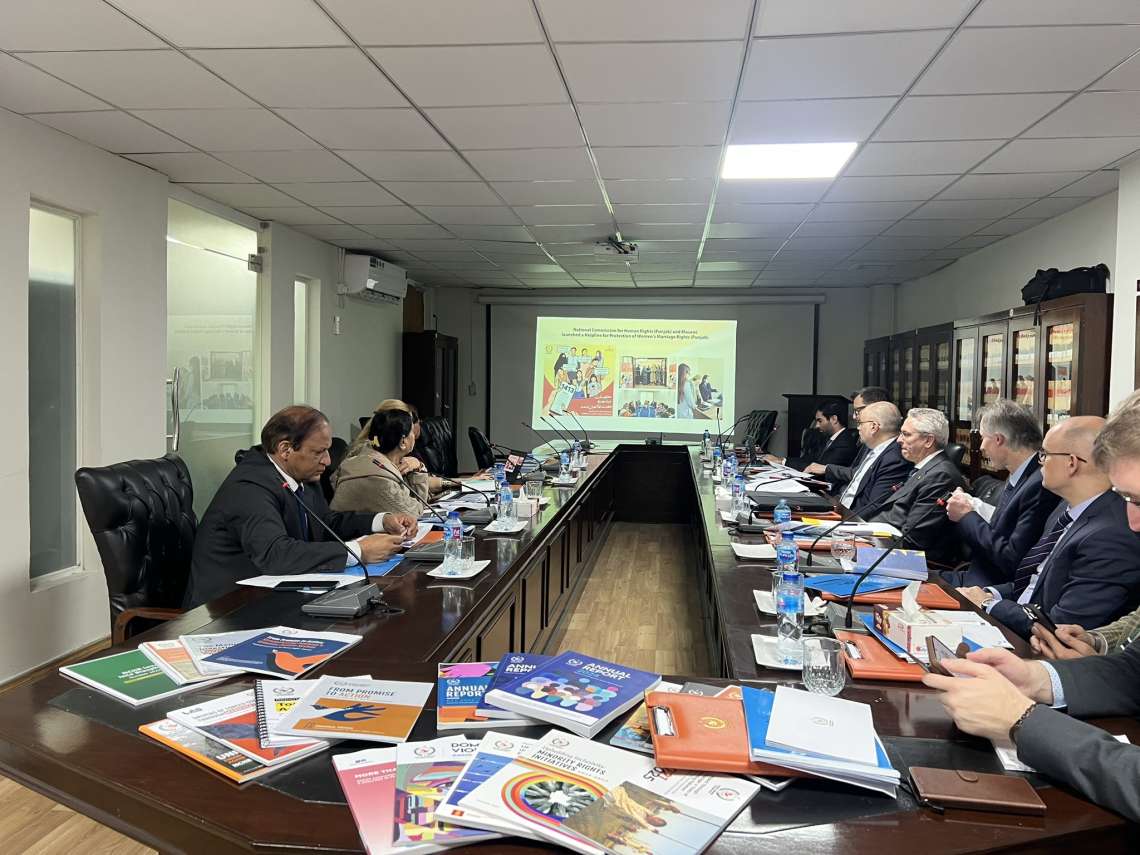
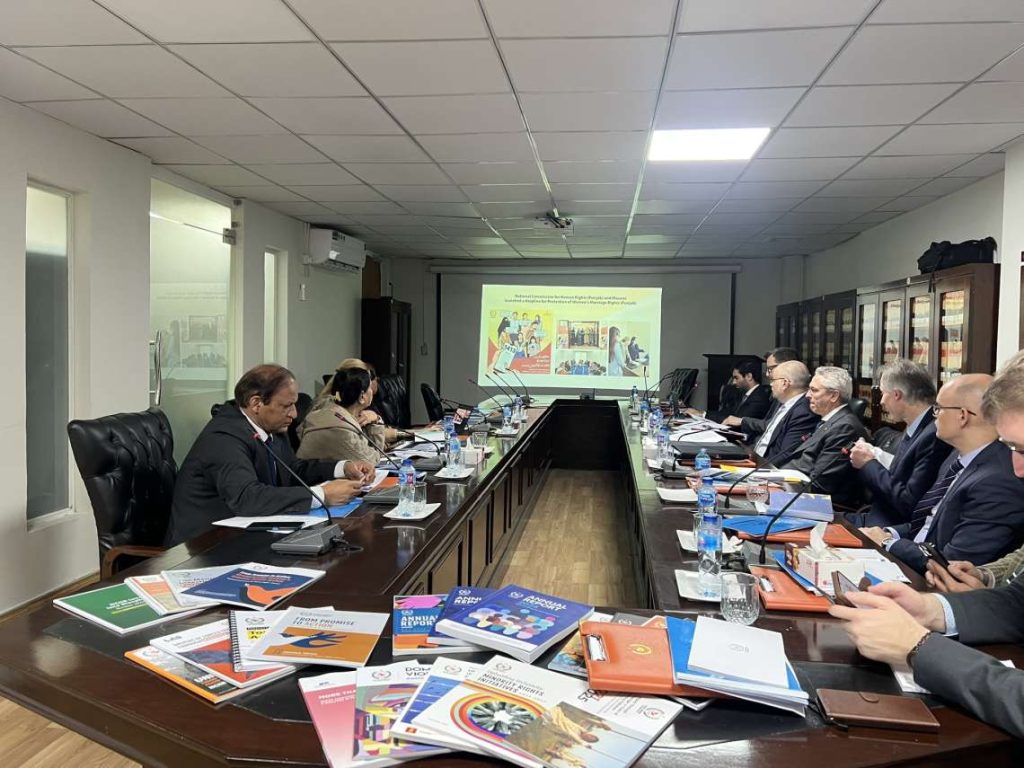
An EU team is currently in Pakistan to review Islamabad’s Generalised Scheme of Preferences Plus (GSP+) status amid concerns over rising electoral malpractices and human rights violations against the Pashtun community.
As the review proceeds, multiple reports and videos have emerged alleging rigging and manipulation in two recent by-elections. Former prime minister and PPP Central Punjab president Raja Pervaiz Ashraf has called for an impartial probe into allegations raised by Dost Muhammad Khosa, the defeated party candidate in National Assembly seat 185.
Following the recent terror attack in Peshawar, security forces have also launched lethal operations against Pashtun minority groups in Khyber Pakhtunkhwa.
According to The Economic Times, sources say the combination of electoral malpractice and minority rights violations poses a serious setback for Pakistan’s GSP+ review — issues the EU “cannot overlook” during the assessment.
Meanwhile, a leading minority rights organisation on Thursday expressed grave concern over a newly released national factsheet documenting 5,097 cases of violence against children (VAC) across Pakistan in the first six months of 2025.
According to the Voice of Pakistan Minority (VOPM), the document doesn’t just present numbers — it exposes a system that repeatedly fails to see, protect and deliver justice for its youngest citizens and sends a chilling reminder of how unsafe childhood remains in Pakistan.
The rights body stated that the factsheet is based on data obtained through Right to Information (RTI) requests to police departments in Pakistan’s provinces–Punjab, Sindh, Balochistan –and the federal capital Islamabad. It documented nine major forms of abuse, including physical abuse, sexual abuse, child pornography, murder or homicide, kidnapping, child marriage, child labour, child beggary and trafficking.

“Yet even this alarming picture is incomplete. Khyber Pakhtunkhwa did not provide data, leaving a major gap in the national assessment. This absence is not just a technical flaw; it symbolises a broader failure to treat violence against children as a priority that must be mapped, measured and tackled with urgency,” the VOPM stated.
As per the findings, Punjab recorded the highest number of child-related crimes, while Sindh showed particularly high numbers of sexual abuse, kidnapping and child labour, exposing entrenched criminal networks and the vulnerability of children in urban and peri-urban slums.
“On paper, Balochistan’s numbers look smaller. In reality, the province may be one of the most dangerous places for children, with underreporting driven by weak policing, vast distances, conservative social norms and fear of speaking out,” the VOPM mentioned.
“Islamabad presents a more urban profile: greater reporting of child pornography, sexual violence and kidnapping, but fewer cases of child labour or beggary. These trends suggest that where systems exist to record certain crimes, more of them appear — not necessarily because other forms of violence are absent, but because they remain hidden,” it added.
The rights body stressed that the absence of data from Khyber Pakhtunkhwa, the poor detail from Balochistan, and the inability of police departments to provide standardised information point to a painful reality that Pakistan still does not have a central, reliable national mechanism to track violence against children.
“The absence of information is itself a form of violence — it erases children from the story of their own suffering,” the VOPM emphasised.