India has lodged a strong protest with China after an Arunachal Pradesh woman was detained for hours during transit at Shanghai Pudong Airport, calling the incident a violation of international air travel norms…reports Asian Lite News
The Ministry of External Affairs (MEA) has sharply criticised China over the detention of an Indian citizen from Arunachal Pradesh during a transit stop at Shanghai Pudong Airport, describing the episode as a breach of international conventions and China’s own visa-free transit rules. The incident, which involved Indian national Prema Wangjom Thongdok, has triggered a diplomatic exchange, with New Delhi raising the matter “strongly” at the highest levels and Beijing pushing back against accusations of harassment.
In a statement issued on Tuesday, the MEA said the detention had been formally taken up with Chinese authorities. The ministry stated: “The issue of the detention has been taken up strongly with the Chinese side. Chinese authorities have still not been able to explain their actions, which are in violation of several conventions governing international air travel. The actions by the Chinese authorities also violate their own regulations that allow visa-free transit up to 24 hours for nationals of all countries.”
Officials in New Delhi said the lack of clarity from China over the reasons for the prolonged detention amounted to a breach not only of established aviation protocols but also of China’s own stated facilitation measures for international travellers. The MEA reiterated that the incident went against Beijing’s rules on visa-free transit, emphasising that these regulations explicitly apply to nationals of all countries.
The dispute escalated further as the ministry responded to comments issued earlier by Beijing. The MEA said: “We have seen statements made by the Chinese Ministry of Foreign Affairs regarding the arbitrary detention of an Indian citizen from Arunachal Pradesh, who was holding a valid passport and was transiting through Shanghai International Airport on her onward travel to Japan.”
India also used the occasion to restate its long-standing position on Arunachal Pradesh, which China claims as part of “South Tibet”. The ministry declared: “Arunachal Pradesh is an integral and inalienable part of India, and this is a self-evident fact. No amount of denial by the Chinese side is going to change this indisputable reality.”
The firm language reflects the sensitivity of the issue in India-China relations, where disputes over the border and questions of territorial sovereignty frequently heighten diplomatic tensions.
Earlier, China rejected the allegations made by Thongdok, who had described her experience as a “long ordeal”. Beijing stated that “the lawful rights and interests of the person concerned were fully protected and no compulsory measures were taken on her”.
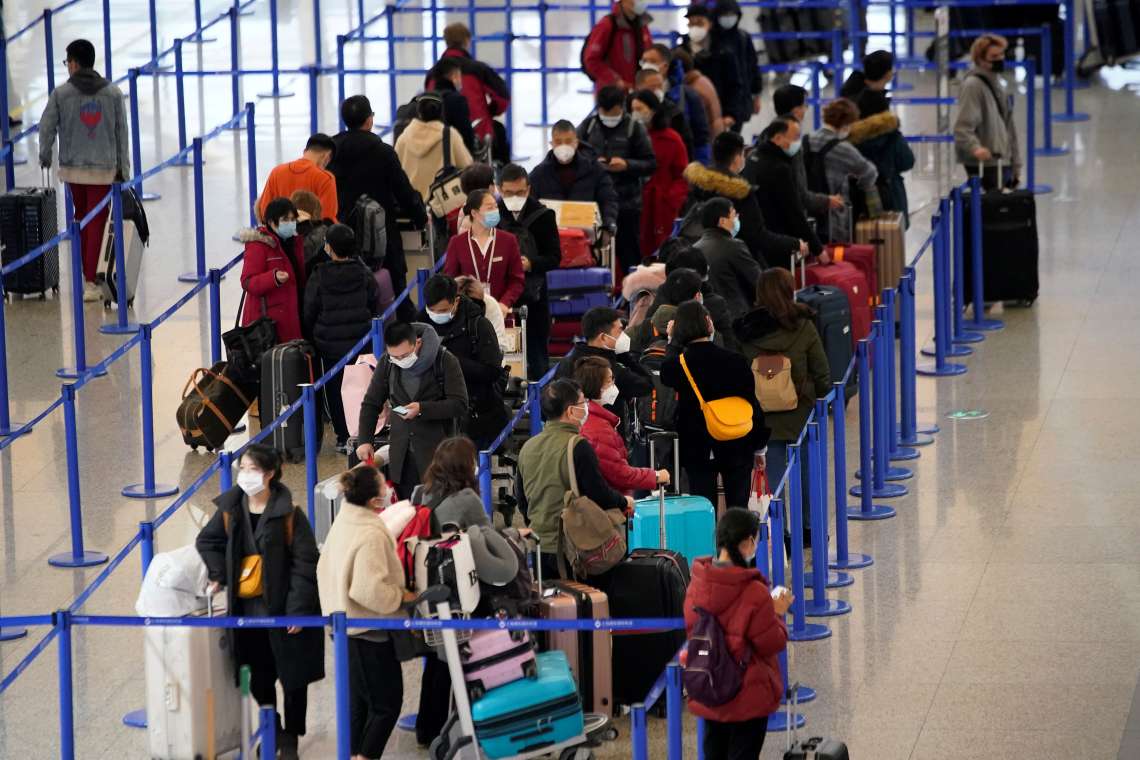
Thongdok, who was travelling from India to Japan via Shanghai, reported that she faced an 18-hour ordeal at Shanghai Pudong Airport. She alleged that immigration officials “mocked and raised questions” over her Indian citizenship because she hails from Arunachal Pradesh. According to her account, the situation was resolved only after significant intervention from officials at India’s diplomatic missions in Shanghai and Beijing.
The incident has struck a nerve in India, not only because of the individual distress involved but also due to the broader geopolitical sensitivities surrounding Arunachal Pradesh. New Delhi routinely objects to Beijing’s attempts to question the citizenship, identity or travel documents of residents of the northeastern state. Chinese authorities, for their part, often cite their territorial claims as the basis for what they describe as routine border-related verification procedures.
Diplomatic observers say the controversy could add fresh strain to an already tense bilateral relationship, marked by the lingering military standoff along the Line of Actual Control, recurring visa disputes, and China’s repeated efforts to rename places in Arunachal Pradesh. While both sides continue to engage in periodic talks, mutual suspicion remains high.