The broader push for simpler travel comes at a time when the India–UAE economic relationship is expanding rapidly….reports Asian Lite News
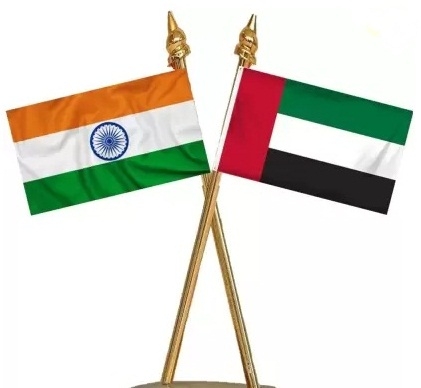
India and the United Arab Emirates are moving to make mobility significantly easier for workers, tourists and businesses, marking a fresh phase in their rapidly evolving strategic partnership.
With both countries seeing unprecedented two-way travel and economic activity, officials are now pushing for smoother visa processes, stronger legal coordination and faster action on cross-border security cooperation.
The sixth meeting of the India–UAE Joint Committee on Consular Affairs, held in Abu Dhabi last month, highlighted this expanding agenda. Officials from both sides agreed to intensify work in four major areas: liberalising visa rules, enhancing the flow of information, ensuring improved consular access and accelerating cooperation on extradition and mutual legal assistance. While no new agreement has been signed yet, the discussions reflected a shared intention to move away from ad-hoc problem-solving and towards long-term, predictable frameworks.
A key priority for New Delhi and Abu Dhabi is reducing friction for ordinary travellers. India has already widened its visa-on-arrival scheme for UAE nationals by expanding the number of airports offering the service from six to nine, with Kochi, Calicut and Ahmedabad newly added. These airports are major gateways for expatriate communities and aviation routes linked to Gulf business hubs, making the change especially impactful for frequent travellers.
The UAE, in turn, has broadened its own visa-on-arrival facilities for Indian citizens, particularly professionals holding valid residence permits for countries such as the US, UK and EU members. This has made spontaneous or short-notice travel considerably easier for a growing category of Indian visitors and investors.
The broader push for simpler travel comes at a time when the India–UAE economic relationship is expanding rapidly. Bilateral trade has surpassed 100 billion dollars in the 2024–25 period under the Comprehensive Economic Partnership Agreement (CEPA), and both governments view predictable mobility as essential for unlocking the pact’s full potential. Faster business travel, smoother project deployment and ease of movement for high-skilled professionals are all central to this effort.
With more than 4.2 million Indians living and working in the UAE, mobility also carries a strong welfare dimension for India and a workforce planning component for the UAE. Meanwhile, India’s decision to widen visa-on-arrival access for Emirati citizens reinforces the growing two-way flow of investment, tourism and cultural exchange.
On security and legal cooperation, the two nations already operate under an extradition treaty, but the latest talks placed emphasis on speeding up processes rather than altering the legal architecture. Officials focused on quicker scrutiny of extradition requests, improved alignment of documentation, and closer coordination between enforcement agencies. Faster action from the UAE could significantly strengthen India’s pursuit of financial offenders who previously exploited Dubai’s connectivity and business networks.
Both sides are also working to enhance mutual legal assistance in areas such as cybercrime, financial fraud, terror financing and the misuse of corporate structures. As the two countries deepen partnerships in food corridors, logistics, fintech and major investment ventures, timely exchange of financial records, ownership data and digital evidence is becoming increasingly crucial. Strengthening this cooperation is expected to prevent criminals from exploiting regulatory gaps and operating across jurisdictions undetected.