Kenya has launched a new digital customs application designed to speed up border clearance, reduce paperwork and cut costs for traders and transporters using one of East Africa’s busiest crossing points…reports Asian Lite News
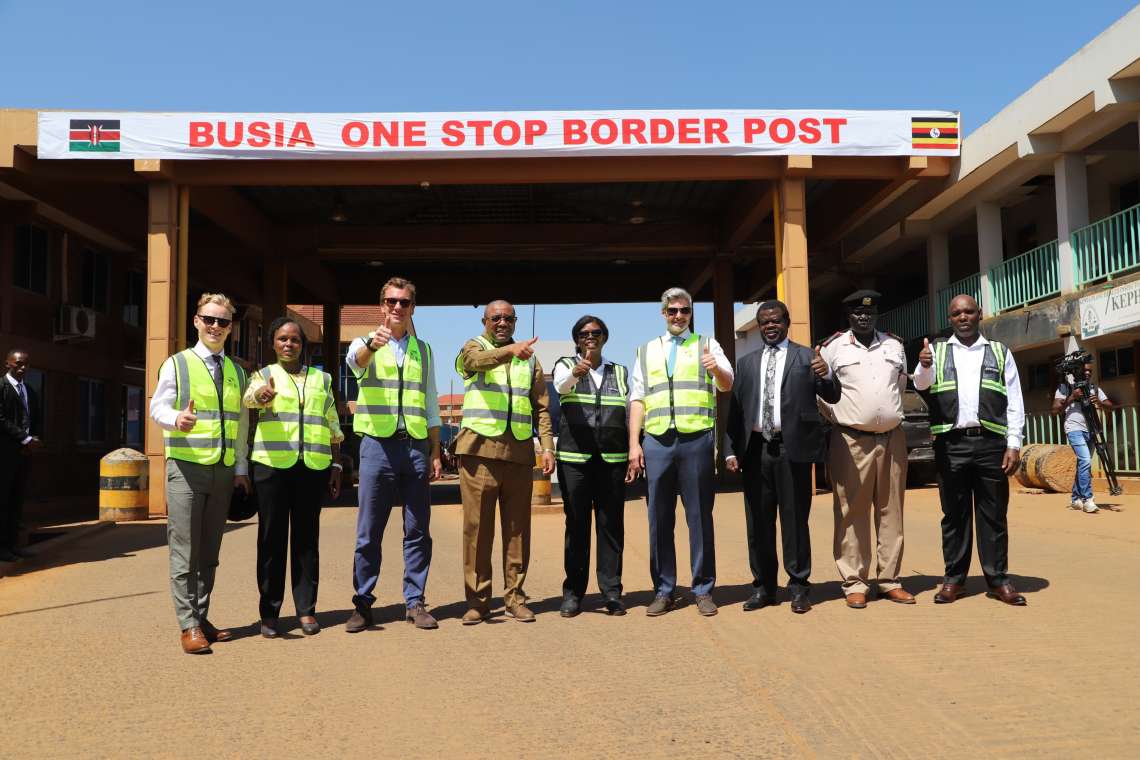
Kenya has unveiled a new digital platform intended to transform the way goods, vehicles and passengers move across its borders, marking a major step in the country’s long-term efforts to modernise customs operations and streamline cross-border trade. The Kenya Revenue Authority (KRA), working with TradeMark Africa (TMA) and the British High Commission, launched the eCUSTOMS app at the Busia One Stop Border Post (OSBP) on the frontier with Uganda. Officials say the system will make customs declarations faster, seamless and paperless, targeting both large freight operators and the thousands of small-scale traders who cross the border daily.
The introduction of the eCUSTOMS platform is being positioned as a significant leap in Kenya’s ambition to lead the region in digital trade solutions. According to its developers, the app is designed to cut clearance times, enhance transparency, support compliance with regional customs rules and strengthen the operating environment for SMEs and transport businesses. The authorities argue that simplifying declarations and reducing administrative hurdles will help lower the cost of doing business, particularly for smaller traders who are most exposed to delays and informal costs.
The potential economic impact is considerable. At the Busia OSBP alone, officials estimate the app will cut cumulative truck waiting times by about 1,200 hours daily, roughly equivalent to saving one hour per truck. Small-scale traders are expected to save around KES 750 per declaration, a modest figure for businesses operating at scale but a meaningful margin for individuals who cross the border several times a day. The rollout is the latest development in a 15-year collaboration between the UK, TMA and KRA aimed at speeding up regional trade corridors and improving the efficiency of East Africa’s borders.
Earlier phases of the partnership saw substantial improvements. Following the construction and operationalisation of the Busia OSBP in 2018, clearance times between Kenya and Uganda fell by at least 79 per cent. Government revenues also rose significantly as processing became more efficient and compliance improved. Other initiatives under the broader programme have helped accelerate cargo movement from the Port of Mombasa to inland borders. The Regional Electronic Cargo Tracking System (RECTS) cut transit time from Mombasa to Busia from 15 days to 2.9 days, and from 15 days to 3.1 days on the Mombasa–Malaba route between 2024 and 2025. Data released alongside the launch also highlighted that every dollar invested in the Integrated Cargo Management System (iCMS) generated high returns through customs duties and other taxes.
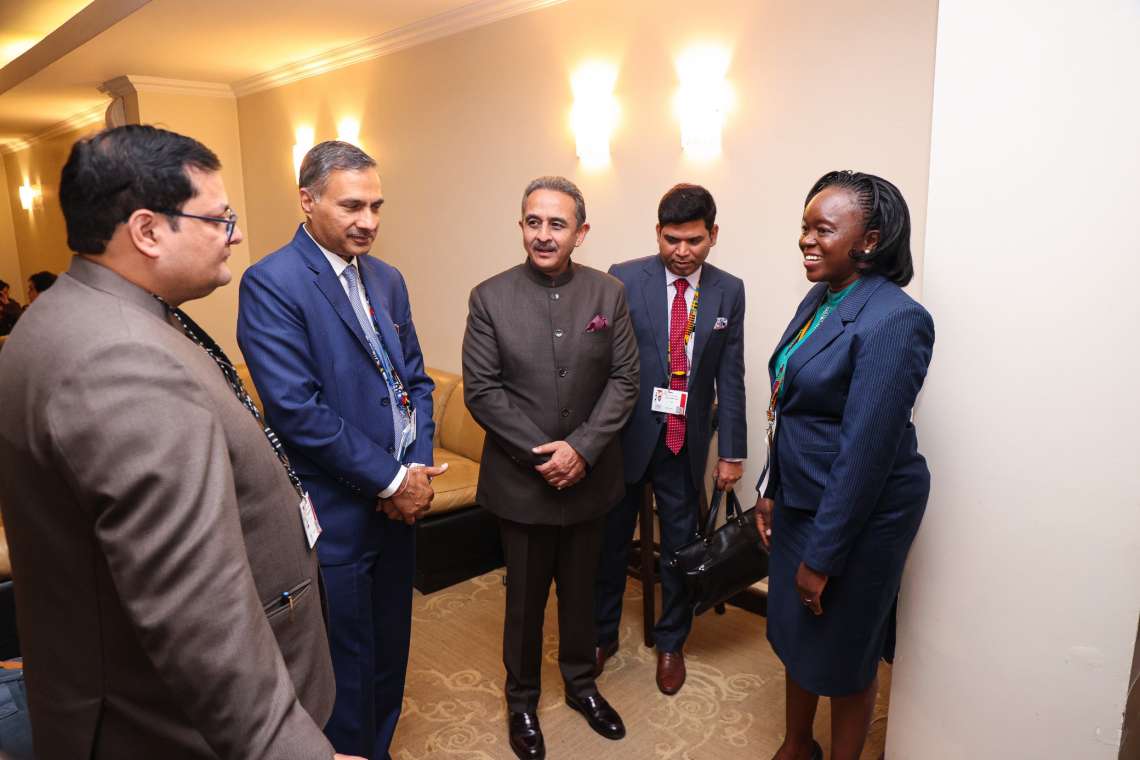
Senior officials from KRA, TMA and the British High Commission hailed the launch as a significant step in modernising East Africa’s trade systems. Humphrey Wattanga, the KRA Commissioner General, said eCUSTOMS will ease cross-border trade and promote a conducive business environment by simplifying declarations and modernising border operations. H.E Hailemariam Boshe, former Prime Minister of Ethiopia and TMA Board Chair, described the launch as a major milestone for integrating trade across East Africa, emphasising the role of technology and partnerships in unlocking regional economic growth. Dr Ed Barnett MBE, Chargé d’Affaires at the British High Commission in Nairobi, noted that the long-term partnership has delivered a solution directly into the hands of small businesses and highlighted the broader strategic relationship between Kenya and the UK.
Available on both Android and iOS, the app offers a range of benefits for different user groups. Small traders will be able to self-declare goods through simplified digital forms designed to improve accuracy and transparency. Passengers can pre-declare personal goods and accompanied baggage ahead of arrival to reduce queues and manual processing. Truck drivers and transport companies will be able to manage declarations for empty trucks, streamline toll payments and improve vehicle rotation, reducing operational downtime.