January 24, 2025
3 mins read

Sharjah Literature Festival concludes inaugural edition V

Through its diverse range of activities, the festival provided a unique experience that captured the essence of Emirati cultural identity. …reports Asian Lite News

The inaugural edition of the Sharjah Literature Festival concluded, marking a distinguished cultural event that illuminated the emirate’s literary landscape with the theme ‘Emirati Tales Inspire the Future’. 

Over the course of five days, Sharjah transformed into a vibrant hub of words and ideas, where writers, intellectuals, publishers, and audiences gathered in a shared space to celebrate the richness of Emirati literature and the nation’s deep rooted cultural heritage. 

Organised by Sharjah Book Authority and the Emirates Publishers Association, under the generous patronage of His Highness Sheikh Dr. Sultan bin Mohammed Al Qasimi, Supreme Council Member and Ruler of Sharjah, and guided by Sheikha Bodour bint Sultan Al Qasimi, Chairperson of the Sharjah Book Authority and Honorary President of the Emirates Publishers Association, the festival opened a new window into the world of Emirati literature, highlighting the remarkable achievements of Emirati authors and publishers, while strengthening the UAE’s position as a prominent centre for literature and culture. 

Through its diverse range of activities, the festival provided a unique experience that captured the essence of Emirati cultural identity. 

The inaugural edition of the Sharjah Literature Festival brought together 29 esteemed guests and 12 moderators, representing some of the UAE’s most prominent figures in literature, thought, art, and media. 

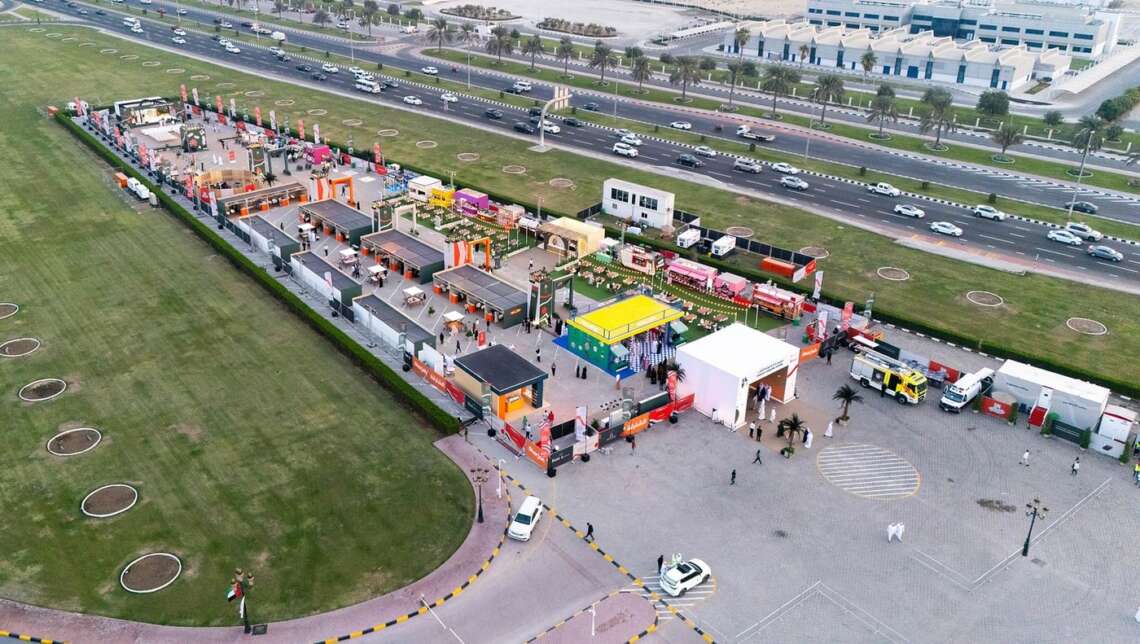
The square opposite the University City Hall in Sharjah was transformed into a dynamic stage for 20 inspiring sessions and panel discussions, which highlighted Emirati literary creativity, both past and present, explored its future directions, and examined the role of literature in instilling national and creative values. 

In addition, the festival featured 9 interactive workshops for children and adults, covering themes such as space exploration, Arabic calligraphy design, scented candle and musk making, storytelling, and the arts. 

The event enriched visitors experiences with the book exhibition showcasing the latest publications from 41 Emirati publishers. Visitors were also treated to 25 captivating musical performances, including a piano recital by Iman Al Hashimi, the first Emirati female composer. The festival also offered unique shopping experiences from five participating stores and delightful culinary offerings from 10 diverse restaurants. 

Commenting on the success of the event, Rashid Al Kous, Executive Director of the Emirates Publishers Association, expressed his pride in the festival, “The first edition of the Sharjah Literature Festival exceeded all expectations, reflecting the local community’s passion for literature and culture while also celebrating Emirati cultural identity and the literary richness that has distinguished Emirati writers across generations. We are proud that Sharjah has become the launching pad for this pioneering cultural event, and we aspire to transform it into a global literary platform in the future.” 

Al Kous also extended his gratitude to the Sharjah Book Authority, acknowledging its vital role in solidifying Sharjah’s reputation as a capital of culture and literature. He further commended the University City of Sharjah—the event’s strategic partner—for its unwavering support and dedicated efforts, which were instrumental in the success of the festival’s first edition. 

As the first chapter of the Sharjah Literature Festival’s journey comes to an end, it marks a promising launch for a new platform dedicated to celebrating the power of words and ideas. The festival’s activities wove a rich tapestry of cultural dialogue and human connection, showcasing the vibrant spirit of Emirati literature. With the conclusion of the first edition, the festival stands as a testament to how great beginnings pave the way for a brighter future as anticipation builds for future editions that promise to deliver even more creativity, excellence, and cultural enrichment. 

ALSO READ: UAE experts stress urgency of cyber defences 
Previous Story

UAE’s near-term growth strong, says IMF 

Next Story

UAE’s TradeTech Push Takes Centre Stage in Davos 

Previous Story

UAE’s near-term growth strong, says IMF 

Next Story

UAE’s TradeTech Push Takes Centre Stage in Davos 

Latest from -Top News

Pakistan Risks Overstretching Itself in Yemen War

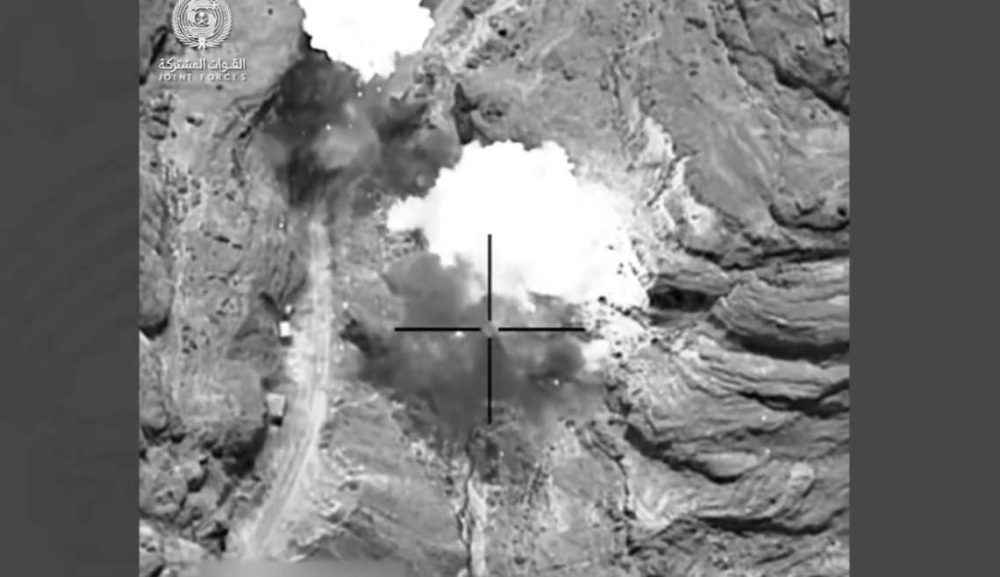
Pakistan’s expanding military role in Saudi Arabia amid the Yemen conflict could strain its defence resources and fragile finances…reports Asian Lite News Desk Pakistan’s military involvement in the war in Yemen may prove unsustainable because of mounting financial pressures and competing security demands, according to a new report. Islamabad’s growing military presence in Saudi Arabia risks stretching its defence resources while exposing the country to greater strategic and economic challenges. An article by Andrew Wilson in One World Outlook describes Pakistan’s involvement as a case of “fiscal and strategic overreach”, arguing that the country lacks the financial flexibility to sustain an expanded military commitment. Pakistan’s external finances depend heavily on an International Monetary Fund (IMF) programme, financial support from Gulf countries and remittances from Pakistani workers in the region. The report argues that deeper military involvement in the conflict could place additional pressure on these sources of financial stability. It also warns that deploying troops and military equipment abroad could weaken Pakistan’s capacity to address security challenges along its eastern border and deal with two domestic insurgencies. The move could also draw Islamabad into a conflict it has sought to approach cautiously. A Reuters report in May, citing Pakistani security and government sources, said Islamabad had deployed around 8,000 troops, a squadron of approximately 16 aircraft, mostly JF-17 fighter jets, two drone squadrons and a Chinese HQ-9 air-defence battery to Saudi Arabia. According to those sources, Riyadh was financing the deployment, with Pakistani personnel operating the equipment. The sources also said a confidential agreement contemplated the possibility of deploying up to 80,000 troops. Islamabad has not confirmed those figures, although it has acknowledged its military presence in Saudi Arabia, including the deployment of fighter jets at King Abdulaziz Air Base from April. The One World Outlook article argues that Saudi financial support can cover allowances and operating expenses but cannot easily replace military equipment needed elsewhere or resolve the political and strategic challenges of participating in the Yemen conflict. Pakistan’s defence budget is another concern. For the 2026-27 financial year, the federal government allocated PKR 3 trillion, or approximately $10.8 billion, to defence services. The allocation represents an 18 per cent increase from the original PKR 2.55 trillion provision and amounts to around 2.1 per cent of projected gross domestic product (GDP). Defence spending accounts for approximately 16 per cent of the federal government’s PKR 18.8 trillion expenditure. Military pensions are budgeted separately at PKR 822 billion, while debt servicing costs stand at approximately PKR 8 trillion, more than two-and-a-half times the defence allocation. The report argues that these competing financial obligations leave little room for additional military expenditure without placing further pressure on public finances. Pakistan’s reliance on IMF assistance also limits its fiscal flexibility. The country must meet the conditions attached to the programme, including a primary budget surplus target of 2 per cent of GDP and continued restraint on development spending. According to the article, these requirements make it difficult for Islamabad to finance an additional military commitment without compromising other budgetary priorities. Pakistan’s economic indicators offer limited reassurance. Economic growth for the 2025-26 financial year is estimated at between 3.6 and 3.7 per cent, while inflation reached approximately 10.3 per cent in September following an energy price shock. Foreign exchange reserves stood at around $21.5 billion at the end of September. Although this marks an improvement from the low levels recorded in 2023, the report notes that the reserves cover only a few months of imports. Financial assistance from Gulf partners remains central to Pakistan’s external stability. The article says Islamabad holds approximately $8 billion in Saudi deposits at its central bank. In July, the State Bank of Pakistan said Riyadh had extended the maturity of $5 billion in deposits to December 2028, easing the country’s immediate external financing requirements. A further $3 billion deposit was also extended in the spring. However, the article argues that these arrangements provide temporary relief rather than long-term financial independence, particularly as regional conflict threatens the stability of the Gulf economies on which Pakistan relies. The report concludes that Pakistan faces a difficult balance between supporting Saudi Arabia militarily and preserving the financial and military resources needed to address its domestic and regional challenges.
Go toTop

Don't Miss

ADNOC to Inject Dh178B to Fuel UAE’s 5-Year Growth

ADNOC’s budget allocation has been increased for landmark decarbonisation projects,

Abu Dhabi launches competitive ‘Summer Like You Mean It’ campaign

The new campaign attaches great importance to travellers’ interests and