From heritage laws to world-class museums and global cultural diplomacy, the UAE’s 2025 milestones cement culture and knowledge as pillars of national development…reports Asian Lite News
The United Arab Emirates marked 2025 as a defining year for culture, heritage and knowledge, recording a series of landmark achievements that reflected a maturing national vision rooted in identity, creativity and global engagement. From heritage legislation and archaeological discoveries to new museums, reading initiatives and international cultural diplomacy, the year underscored how culture has become a strategic pillar of the UAE’s development model.
At the federal and local levels, authorities continued to invest in initiatives that strengthen national identity while positioning the country as a global hub for culture, ideas and the creative economy. These efforts were evident in the launch of new policies, the opening of world-class institutions and the protection of both tangible and intangible heritage, ensuring that rapid modernisation remains anchored in history and shared values.
One of the most symbolic decisions of the year was the approval of Sheikh Zayed Farm in Al Khawaneej as the UAE’s third national site, joining Dar Al Etihad and Argoub Al Sedirah. The designation recognised the farm’s historical importance as a venue for key meetings that shaped the formation of the Union, reinforcing its status as a living reminder of the leadership, dialogue and consensus that defined the UAE’s founding years.
In parallel, the Cabinet approved the drafting of a federal law on cultural heritage, a major step towards creating a unified national framework for the protection, documentation and promotion of heritage. The proposed legislation aims to safeguard cultural assets, encourage academic research, strengthen cultural exchange and ensure the sustainability of heritage for future generations, reflecting a long-term, institutional approach to preservation.
Policy development continued with the launch of the National Policy for the Preservation of Modern Architectural Heritage by the Ministry of Culture. The policy seeks to protect modern-era buildings that embody the UAE’s social and urban transformation, recognising them as part of the national narrative. The Cabinet also approved a general policy for the civilisation sector, designed to enhance dialogue between cultures and reinforce shared national values at a time of growing global polarisation.
Sharjah added a new dimension to the cultural landscape with the issuance of an Emiri decree establishing the Sharjah Creative Quarter. Conceived as a platform for innovation and interdisciplinary collaboration, the project aims to attract artists, researchers and entrepreneurs, further cementing Sharjah’s reputation as a regional centre for knowledge, literature and creative work.
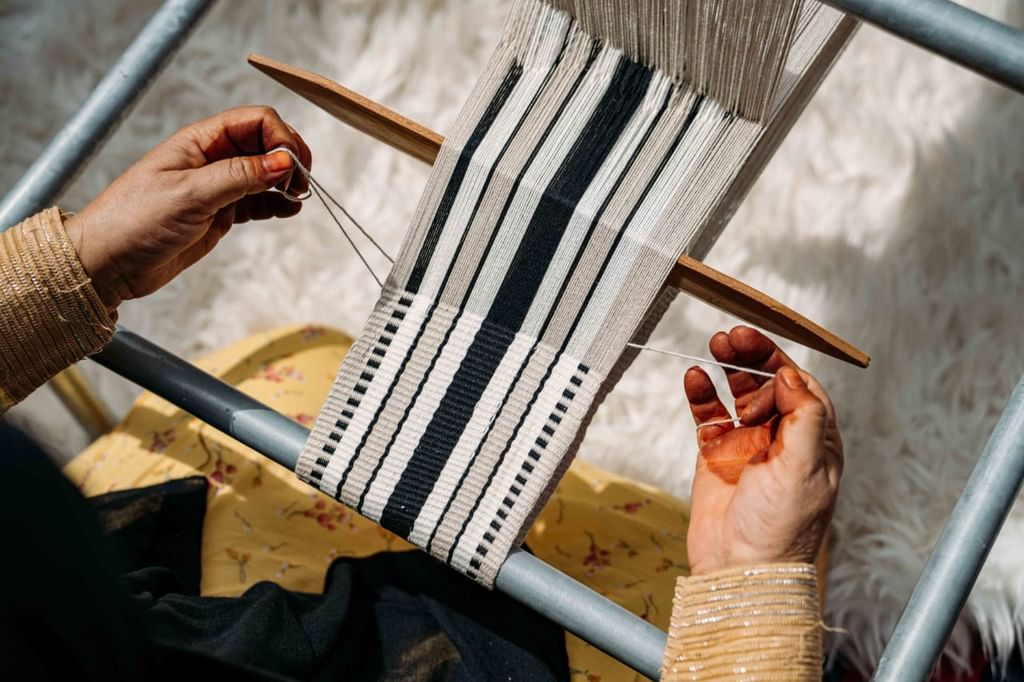
Support for creatives and traditional artisans also gained momentum in 2025. The Emirates Council for Balanced Development, in partnership with the Ministry of Culture, rolled out a wide package of programmes focused on nurturing creative talent and developing cultural tourism. These included backing for 20 creative projects, training cultural ambassadors and creating new markets for traditional crafts, linking heritage preservation with economic opportunity.
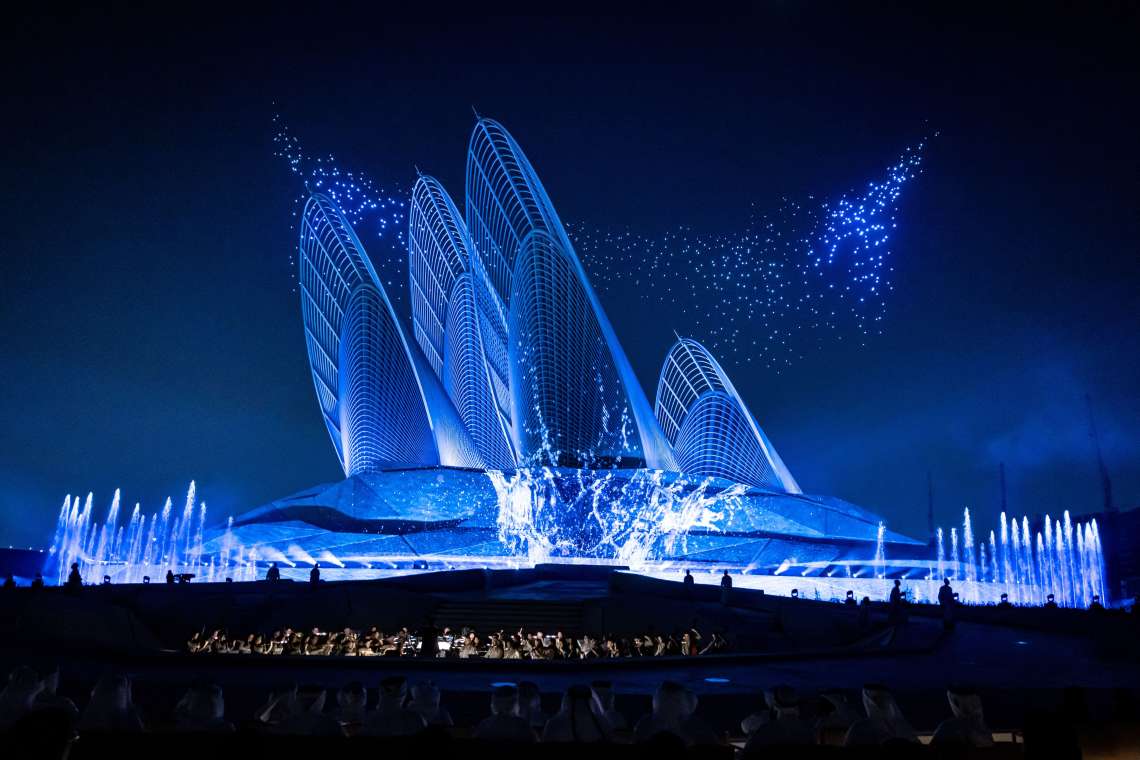
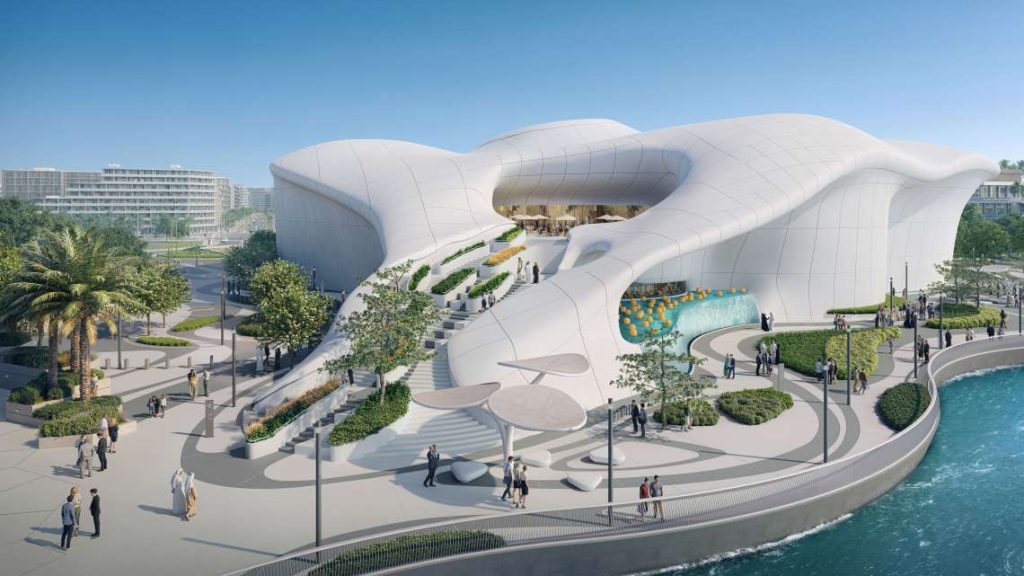
The year also witnessed a notable expansion of the UAE’s museum sector. Among the major openings were teamLab Phenomena Abu Dhabi, which blends art, science and technology in immersive experiences; the Zayed National Museum, narrating the UAE’s journey from ancient roots to modern nationhood; and the Natural History Museum Abu Dhabi, offering insights into the natural world and humanity’s place within it. Dubai announced plans for the Dubai Museum of Art, DUMA, signalling the emirate’s ambition to further elevate its visual arts ecosystem.
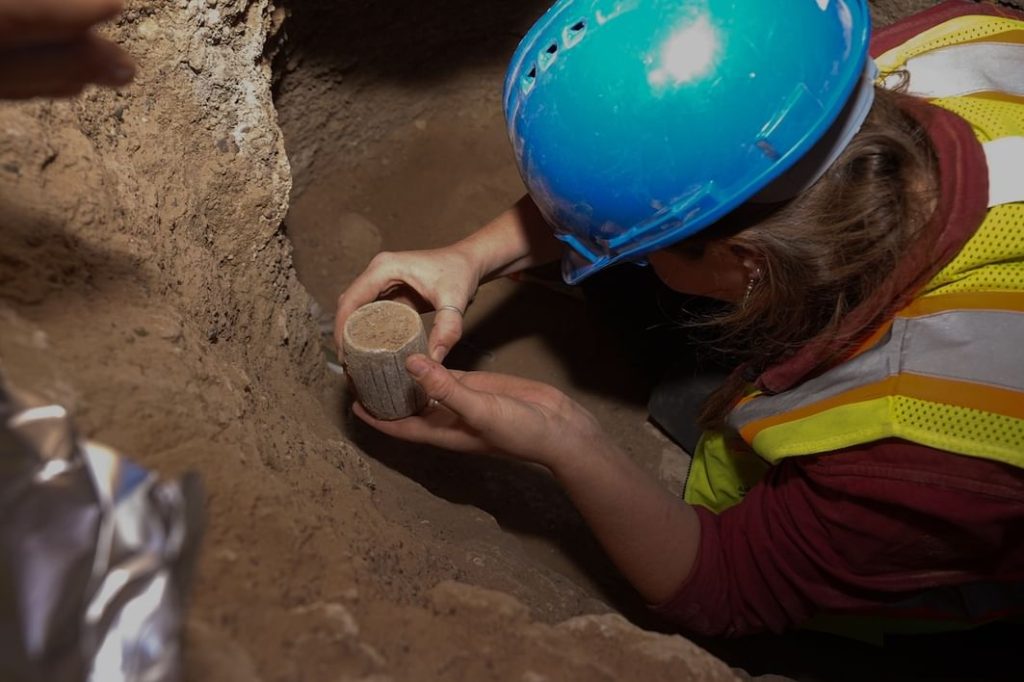
Archaeology provided some of the year’s most compelling revelations. In Al Ain, the Department of Culture and Tourism – Abu Dhabi announced the discovery of the UAE’s first Iron Age cemetery, featuring more than 100 burial sites and funerary artefacts. The find shed light on a previously undocumented chapter of the region’s history and offered new perspectives on ancient settlement patterns and social practices.
In Umm Al Qaiwain, excavations on Al Ghallah Island revealed that the archaeological site extended to four times its previously estimated size. Among the discoveries was a unique stone platform constructed from dugong bones, alongside pearls and evidence of sophisticated economic and social activity dating back to the Neolithic period. The findings highlighted the deep historical roots of maritime life and trade in the region.
Literature and publishing remained central to the UAE’s knowledge agenda. The Abu Dhabi International Book Fair 2025 attracted more than 400,000 visitors, reinforcing its status as a major regional cultural event. Meanwhile, the 44th Sharjah International Book Fair concluded with over 1.4 million visitors, retaining its position as the world’s largest book fair in terms of buying and selling publishing rights.
On the international stage, the UAE reaffirmed its commitment to global heritage protection through its role in rehabilitating historic sites in Mosul, Iraq, under the Revive the Spirit of Mosul initiative. The country allocated US$50.4 million for the reconstruction of the Al-Nuri Mosque and its Al-Hadba Minaret, as well as Al-Tahera and Al-Saa’a Churches, underscoring a message of coexistence and cultural solidarity.
The Arab Reading Challenge continued to expand its global reach, attracting more than 163 million students since its launch and strengthening reading habits and intergenerational ties to the Arabic language. In 2025, the initiative received a major boost through an AED500 million endowment from the Sobha Group, aimed at widening access to reading and knowledge.
Cultural recognition at the international level also advanced. The UAE succeeded in inscribing four new elements on UNESCO’s Representative List of the Intangible Cultural Heritage, including Al Ayyala as a national file, alongside the bisht, the bridal procession and kohl as joint Arab submissions. The country was also elected Vice-President of UNESCO’s General Conference, while Emirati poet Ahmed bin Sulayem and United Arab Emirates University were included in UNESCO’s commemorations programme for 2026–2027.
Taken together, these milestones reflected a year in which culture was not treated as an accessory to development, but as one of its driving forces. In 2025, the UAE demonstrated how heritage, creativity and knowledge can work hand in hand to shape a confident national identity and a meaningful global presence.