June 20, 2025
4 mins read

Overcrowded jails fuel prisoner violence

Violence is rife in overcrowded, unsafe prisons, with offenders nearly 20% more likely to be involved in assaults in too full jails, new research reveals

Violence within England and Wales’ male prisons surged last year, with new government data revealing a sharp rise in assaults as jails struggled under near-total capacity pressure. The findings have prompted a fresh wave of reforms and significant investment to address what ministers now openly acknowledge as a prison capacity crisis.

Figures released by the Ministry of Justice show that prisoner-on-prisoner assaults in men’s prisons rose by 11 per cent in 2024 compared to the previous year, while attacks on prison staff jumped by 13 per cent. This escalation in violence has been directly linked for the first time to overcrowding, with men’s prisons operating at over 99 per cent capacity throughout the year.

Officials say the figures underscore the urgency of delivering 14,000 additional prison places by 2031, a core component of the Government’s broader “Plan for Change” strategy. These new places, announced by the Lord Chancellor, Shabana Mahmood, last month, are intended to prevent jails from becoming dangerously overfilled and to better protect both staff and inmates.

Speaking on the release of the data, James Timpson, Minister for Prisons, Probation and Reducing Reoffending, said, “These stark findings confirm what we’ve already seen – dangerously full prisons lead to more crime and more violence. This not only risks the safety of our hardworking staff but means our prisons are failing one of their most important functions – cutting crime. We must end this chaos.”

To address the mounting crisis, the Government unveiled today a £40 million investment package aimed at reinforcing prison security. This includes £10 million specifically allocated to anti-drone technologies, such as reinforced windows and external netting, to stop contraband from entering via airborne delivery.

Contraband – especially drugs and mobile phones – has long been a driver of violence and organised criminal activity behind bars. The investment will also go towards other critical infrastructure upgrades, including enhanced CCTV systems, control room refurbishments, biometric security, floodlighting and improved vehicle gates.

A new report commissioned by the Ministry of Justice further highlighted the correlation between prison crowding and rising violence. Over a one-year period, it found that overcrowded conditions increased the likelihood of an inmate being involved in a violent incident by 19 per cent.

Alongside physical upgrades, operational measures are being stepped up to address corruption and smuggling networks. The National Crime Agency (NCA), in collaboration with HM Prisons and Probation Service, the National Police Chiefs’ Council and Regional Organised Crime Units, has launched a national crackdown on drone-related contraband operations. As part of this initiative, two senior police officers will be seconded to the Prison and Probation Service’s Corruption and Crime Unit to help dismantle criminal networks and root out internal corruption.

“These reforms and investments are about delivering real change in our prisons,” said Timpson. “Our £40 million new investment will also help combat the flow of contraband which creates unsafe environments in our jails.”

The Government’s security drive builds on previous efforts to better protect prison staff, including the ongoing rollout of protective body armour for officers in high-security settings. A trial of tasers for frontline staff is also set to begin later this summer in selected facilities.

However, ministers have stressed that physical expansion and security alone will not solve the systemic issues facing the prison system. A crucial part of the reform agenda is a radical shift in sentencing and prison release policy. Under the new approach, early release will need to be earned – with prisoners who fail to engage in rehabilitation or who display poor behaviour kept behind bars for longer.

The aim is to reduce not only violence but also reoffending, by creating an environment more conducive to effective rehabilitation. Prison staff, who currently must spend much of their time dealing with conflict and contraband, would instead be able to focus more energy on helping inmates prepare for reintegration into society.

Lord Chancellor Shabana Mahmood, who laid out the initial reforms last month, has argued that the new measures will help ensure prisons never again reach breaking point. The £7 billion funding commitment to build 14,000 new places by 2031 is, she says, “essential to keeping the public safe.”

Opposition parties have cautiously welcomed aspects of the plan but argue that the crisis stems from years of neglect and short-term fixes. Critics warn that addressing long-term rehabilitation requires sustained investment in education, mental health services and post-release support – areas where the prison system has often fallen short.

For now, the Government is banking on its Plan for Change to deliver the dual aims of greater public safety and improved conditions within prisons. With pressure growing on staff and inmates alike, today’s announcement signals a concerted effort to tackle the problems at the root – before they spill further onto the nation’s streets.


Previous Story

Over 300 stars join call to ‘end UK complicity’ in Gaza

Next Story

Amber heat health alert issued across England

Previous Story

Over 300 stars join call to ‘end UK complicity’ in Gaza

Next Story

Amber heat health alert issued across England

Latest from -Top News

Pakistan Risks Overstretching Itself in Yemen War

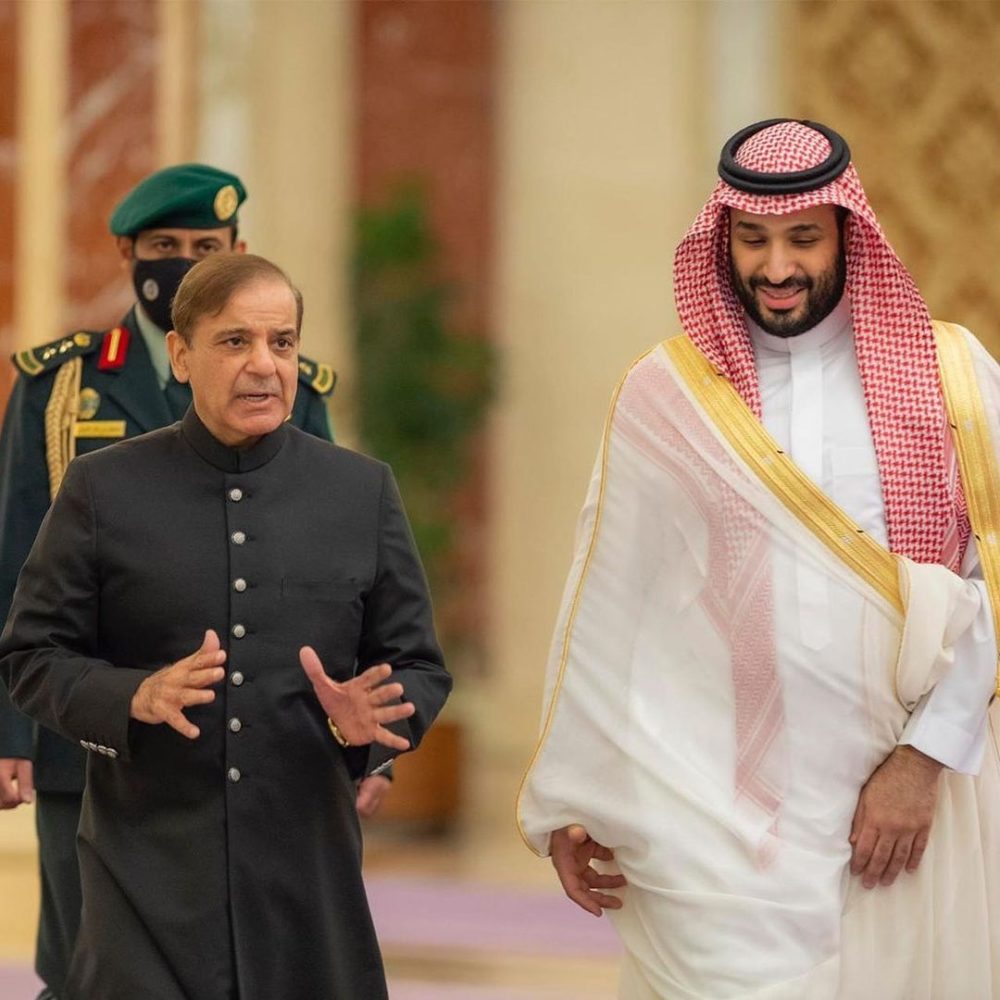
Pakistan’s expanding military role in Saudi Arabia amid the Yemen conflict could strain its defence resources and fragile finances…reports Asian Lite News Desk Pakistan’s military involvement in the war in Yemen may prove unsustainable because of mounting financial pressures and competing security demands, according to a new report. Islamabad’s growing military presence in Saudi Arabia risks stretching its defence resources while exposing the country to greater strategic and economic challenges. An article by Andrew Wilson in One World Outlook describes Pakistan’s involvement as a case of “fiscal and strategic overreach”, arguing that the country lacks the financial flexibility to sustain an expanded military commitment. Pakistan’s external finances depend heavily on an International Monetary Fund (IMF) programme, financial support from Gulf countries and remittances from Pakistani workers in the region. The report argues that deeper military involvement in the conflict could place additional pressure on these sources of financial stability. It also warns that deploying troops and military equipment abroad could weaken Pakistan’s capacity to address security challenges along its eastern border and deal with two domestic insurgencies. The move could also draw Islamabad into a conflict it has sought to approach cautiously. A Reuters report in May, citing Pakistani security and government sources, said Islamabad had deployed around 8,000 troops, a squadron of approximately 16 aircraft, mostly JF-17 fighter jets, two drone squadrons and a Chinese HQ-9 air-defence battery to Saudi Arabia. According to those sources, Riyadh was financing the deployment, with Pakistani personnel operating the equipment. The sources also said a confidential agreement contemplated the possibility of deploying up to 80,000 troops. Islamabad has not confirmed those figures, although it has acknowledged its military presence in Saudi Arabia, including the deployment of fighter jets at King Abdulaziz Air Base from April. The One World Outlook article argues that Saudi financial support can cover allowances and operating expenses but cannot easily replace military equipment needed elsewhere or resolve the political and strategic challenges of participating in the Yemen conflict. Pakistan’s defence budget is another concern. For the 2026-27 financial year, the federal government allocated PKR 3 trillion, or approximately $10.8 billion, to defence services. The allocation represents an 18 per cent increase from the original PKR 2.55 trillion provision and amounts to around 2.1 per cent of projected gross domestic product (GDP). Defence spending accounts for approximately 16 per cent of the federal government’s PKR 18.8 trillion expenditure. Military pensions are budgeted separately at PKR 822 billion, while debt servicing costs stand at approximately PKR 8 trillion, more than two-and-a-half times the defence allocation. The report argues that these competing financial obligations leave little room for additional military expenditure without placing further pressure on public finances. Pakistan’s reliance on IMF assistance also limits its fiscal flexibility. The country must meet the conditions attached to the programme, including a primary budget surplus target of 2 per cent of GDP and continued restraint on development spending. According to the article, these requirements make it difficult for Islamabad to finance an additional military commitment without compromising other budgetary priorities. Pakistan’s economic indicators offer limited reassurance. Economic growth for the 2025-26 financial year is estimated at between 3.6 and 3.7 per cent, while inflation reached approximately 10.3 per cent in September following an energy price shock. Foreign exchange reserves stood at around $21.5 billion at the end of September. Although this marks an improvement from the low levels recorded in 2023, the report notes that the reserves cover only a few months of imports. Financial assistance from Gulf partners remains central to Pakistan’s external stability. The article says Islamabad holds approximately $8 billion in Saudi deposits at its central bank. In July, the State Bank of Pakistan said Riyadh had extended the maturity of $5 billion in deposits to December 2028, easing the country’s immediate external financing requirements. A further $3 billion deposit was also extended in the spring. However, the article argues that these arrangements provide temporary relief rather than long-term financial independence, particularly as regional conflict threatens the stability of the Gulf economies on which Pakistan relies. The report concludes that Pakistan faces a difficult balance between supporting Saudi Arabia militarily and preserving the financial and military resources needed to address its domestic and regional challenges.

UK and Germany Ratify Kensington Treaty

Britain and Germany ratify the Kensington Treaty, agreeing new cooperation on AI, quantum research, defence and security while targeting investment, jobs and Russian hybrid threats…reports Asian Lite News Desk Britain and Germany

Economic tide is turning in Bangladesh

If there is one thing that can bring some comfort to the struggling Bangladeshi economy, it is good relations with India. Bangladesh should remember that Delhi’s backing, through easy supplies of essentials
Go toTop

Don't Miss

I want my father, brother back, says Prince Harry

Harry and his wife Meghan, officially known as the Duke

250 people in hospital with omicron, says Raab

The number of patients being admitted to hospital between Dec.