The UK and Canada have agreed a new framework to deepen regulatory cooperation on veterinary medicines, including animal vaccines…reports Asian Lite News
The UK’s Veterinary Medicines Directorate (VMD) and the Canadian Food Inspection Agency (CFIA) have formally signed a Memorandum of Understanding (MOU) aimed at strengthening collaboration in the regulation of veterinary biologics, including animal vaccines. The agreement was announced jointly by the VMD’s Deputy Chief Executive Officer, Gavin Hall, and the CFIA’s Executive Director of the Animal Health Directorate and Chief Veterinary Officer for Canada, Dr Mary Jane Ireland.
The MOU sets out how the two regulators will work more closely on the oversight of veterinary biological products, covering areas such as pre-market assessment, approval processes and ongoing regulatory cooperation. It reflects a shared view that access to effective veterinary vaccines is essential not only for protecting animal health, but also for safeguarding public health, maintaining food security and supporting economic resilience.
Under the agreement, the UK and Canada will seek to make regulatory processes more efficient by increasing the sharing of scientific expertise and information. This includes structured discussions on common priorities and the exploration of joint or aligned reviews of veterinary biological products. By coordinating more closely, both sides aim to reduce duplication in regulatory assessments and ease the administrative burden on manufacturers, while continuing to uphold robust safety, quality and efficacy standards.
Officials involved in the agreement have emphasised that more streamlined regulatory pathways can help facilitate timely access to important veterinary products. This is expected to benefit a wide range of stakeholders, including farmers, pet owners and the veterinary profession, by ensuring that effective and high-quality vaccines and other biologics are available when needed.
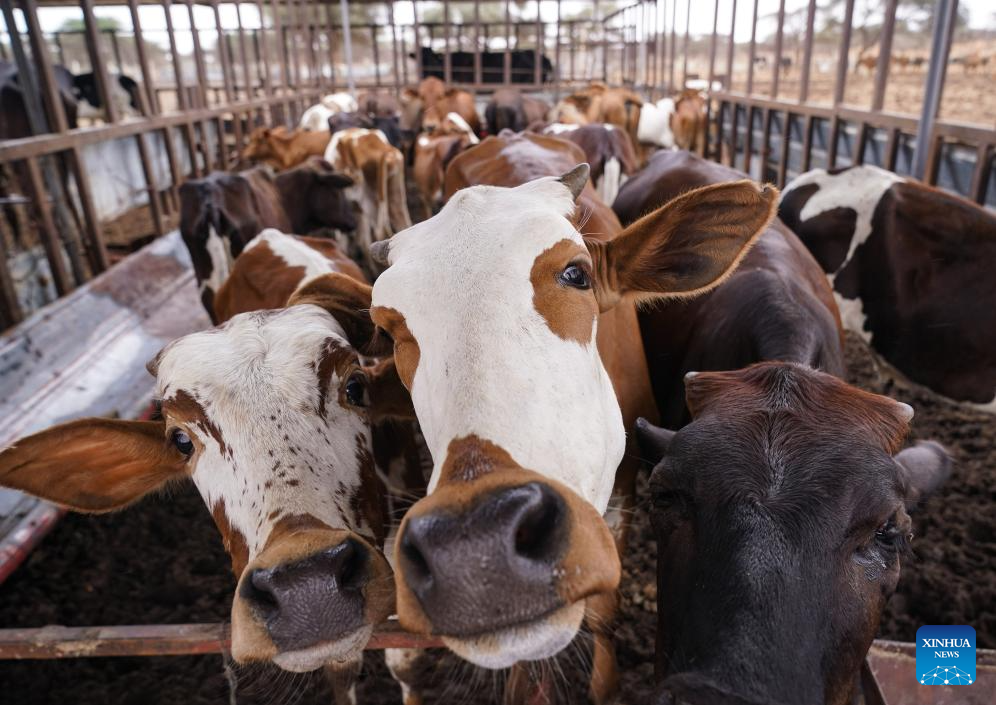
The MOU also reflects the growing international focus on regulatory cooperation in animal health, particularly as disease risks become more complex and interconnected. Livestock and companion animals play a critical role in food production systems and in wider public health considerations, including the prevention of zoonotic diseases. Strengthening collaboration between regulators is seen as a way to respond more effectively to these shared challenges.
For the food supply chain, the agreement is intended to support resilience by helping to protect animal populations from disease outbreaks that can disrupt production and trade. Effective vaccination programmes are a key component of disease prevention and control, and improved regulatory cooperation is expected to support innovation and availability in this area.
The VMD and the CFIA already have an established working relationship, and the new MOU is designed to formalise and expand this cooperation. By setting clear expectations and mechanisms for collaboration, the agreement aims to build on existing ties and create a more consistent approach to the regulation of veterinary biologics across both jurisdictions.
While the MOU does not change domestic regulatory requirements, it provides a framework for closer alignment and information exchange. Any joint work will take place within the existing legal and regulatory systems of each country, with decisions on approvals remaining the responsibility of the respective national authorities.
The agreement also aligns with broader UK and Canadian commitments to international cooperation in animal health and food safety. Both countries are active participants in global standard-setting bodies and have signalled the importance of science-based regulation and transparency in maintaining confidence in veterinary medicines.
In practical terms, industry stakeholders may see benefits through clearer communication between regulators and potentially faster or more predictable review processes for certain products. Reduced duplication of assessments could also lower development costs over time, supporting innovation in veterinary vaccines and other biologics.
The signing of the MOU comes at a time when regulators worldwide are under pressure to balance rigorous oversight with the need to support innovation and respond quickly to emerging animal health threats. By working together more closely, the VMD and CFIA have indicated that they intend to strengthen their ability to meet these demands while maintaining high standards.
Overall, the agreement marks a further step in UK-Canada cooperation on animal health regulation. By reinforcing collaboration on veterinary biologics, both authorities have signalled their intention to support animal welfare, protect public health and contribute to a secure and resilient food system.