US and Iran begin high-stakes talks in Islamabad as Vice President Vance leads delegation, testing fragile ceasefire amid wider Middle East tensions, reports Asian Lite Newsdesk
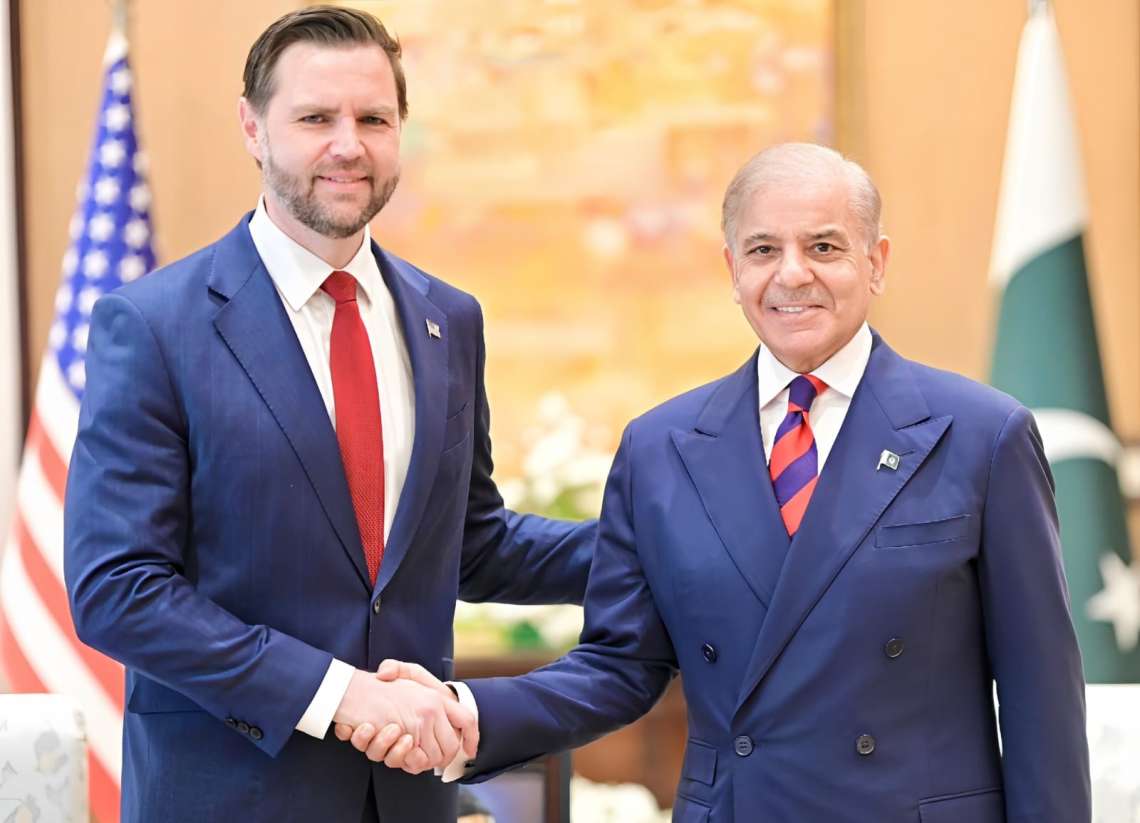
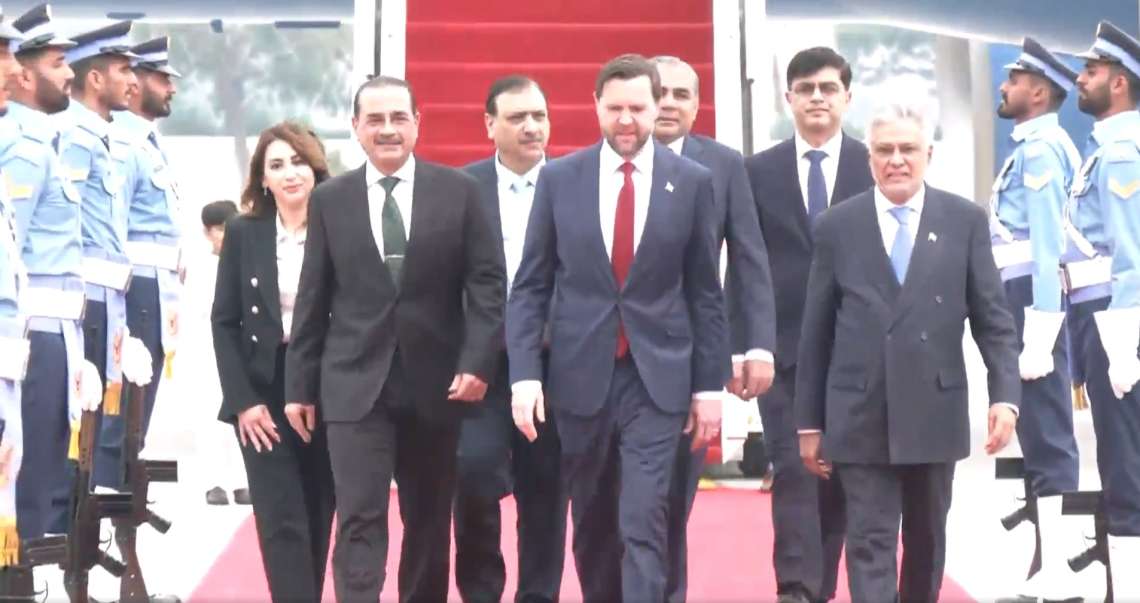
United States Vice President J.D. Vance arrived in Islamabad on Saturday morning to lead the American delegation in crucial US-Iran peace talks, marking a significant diplomatic push aimed at stabilising tensions in the Middle East and easing pressure on global markets.
Vance landed at around 11:15 a.m. (IST) aboard Air Force Two, as international attention shifted to the Pakistani capital, which is hosting the first formal round of engagement between Washington and Tehran in this latest phase of negotiations.
The talks are being held under the shadow of a fragile two-week ceasefire that has temporarily reduced hostilities in the region but remains highly vulnerable to disruption amid continuing military developments and political disagreements across West Asia.
Before departing from Joint Base Andrews, Vance struck an optimistic tone about the negotiations, signalling cautious confidence in the process.
“We’re looking forward to the negotiation. I think it’s going to be positive,” he said.
The American delegation is among the highest-level teams assembled for direct diplomatic engagement with Iran in recent years. It includes Vice President Vance, special envoy Steve Witkoff, and Jared Kushner, son-in-law of President Donald Trump. The White House has reportedly issued clear negotiating guidelines, with an emphasis on securing a structured framework that can hold beyond the immediate ceasefire window.
Reiterating Washington’s position, Vance stressed that the outcome would depend on Tehran’s approach to the talks.
“As the President of the United States said, if the Iranians are willing to negotiate in good faith, we’re certainly willing to extend the open hand,” he said. “If they’re going to try to play us, then they’re going to find the negotiating team is not that receptive.”
He added that the delegation enters the discussions with defined parameters and a mandate to pursue a workable diplomatic outcome. “The President gave us some pretty clear guidelines, and we’re going to see,” Vance noted.
On the Iranian side, the delegation is led by Parliament Speaker Mohammad Bagher Ghalibaf and Foreign Minister Abbas Araghchi, reflecting Tehran’s decision to send senior political representation to the table.
However, the diplomatic environment remains fragile. Ongoing regional tensions, including Israeli strikes on Hezbollah positions and unresolved questions over Lebanon’s role in any broader settlement, continue to cast uncertainty over the trajectory of the talks.