Shehbaz Sharif’s announcement follows a temporary de-escalation after US President Donald Trump postponed threats to bomb Iranian power plants, citing “productive” discussions. reports Asian Lite Newsdesk
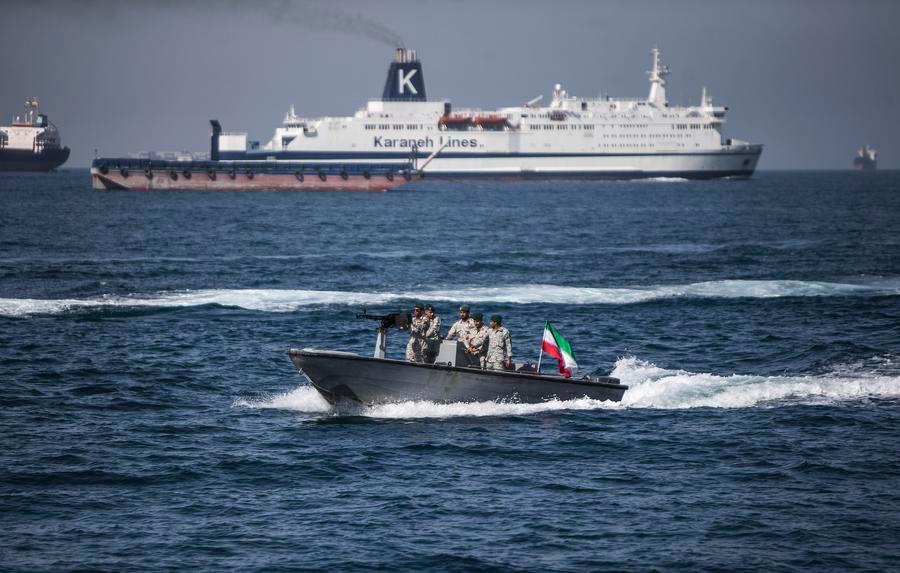
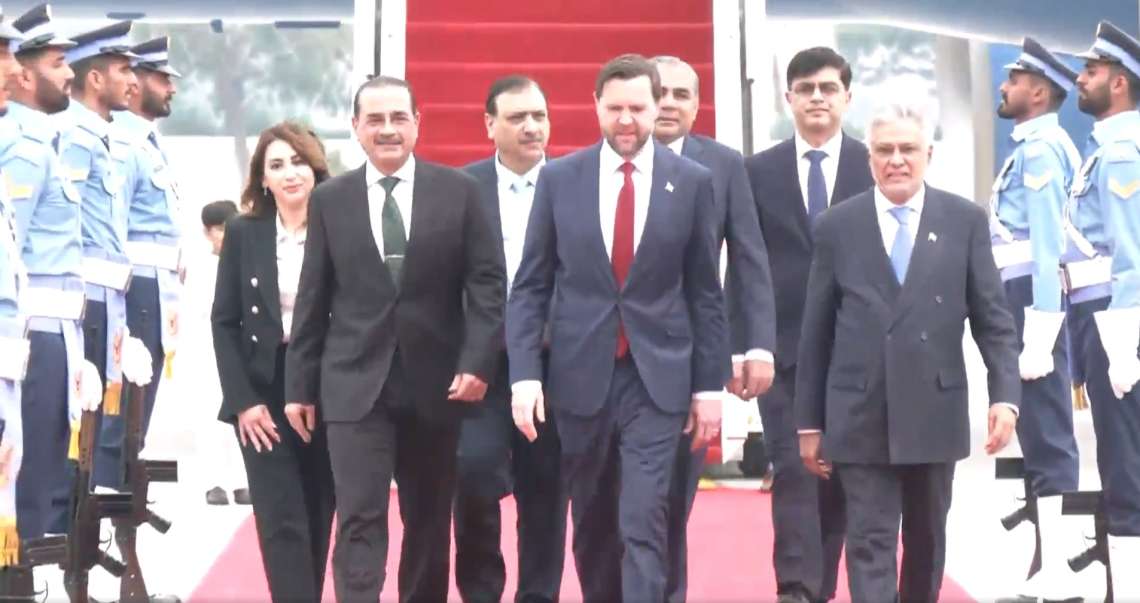
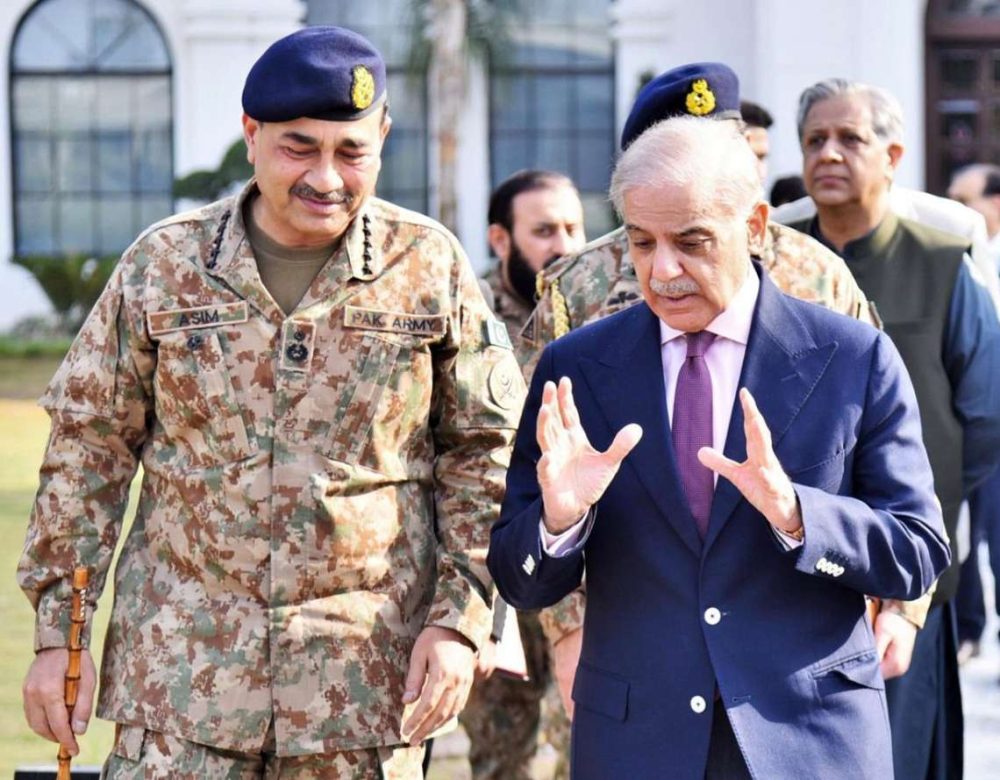
Pakistan has positioned itself as a potential peacebroker in the ongoing Gulf conflict, with Prime Minister Shehbaz Sharif offering to host US-Iran negotiations aimed at ending the war.
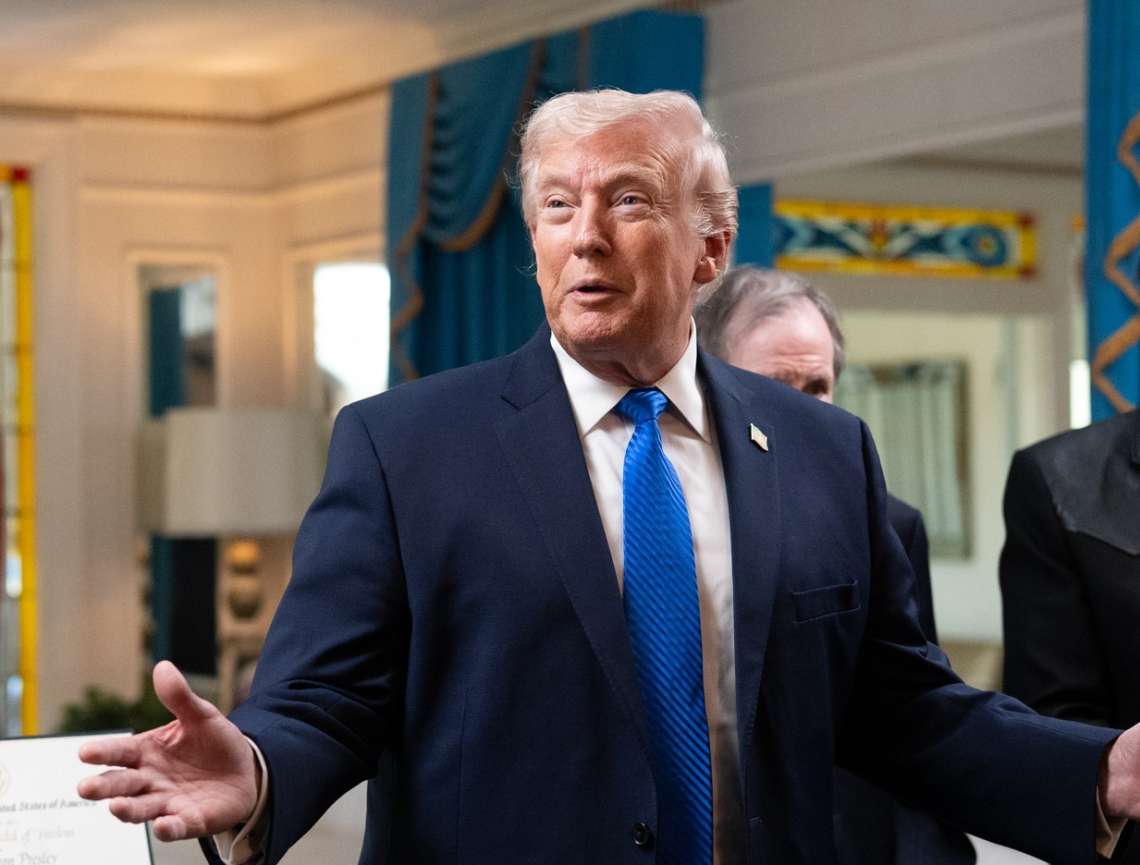
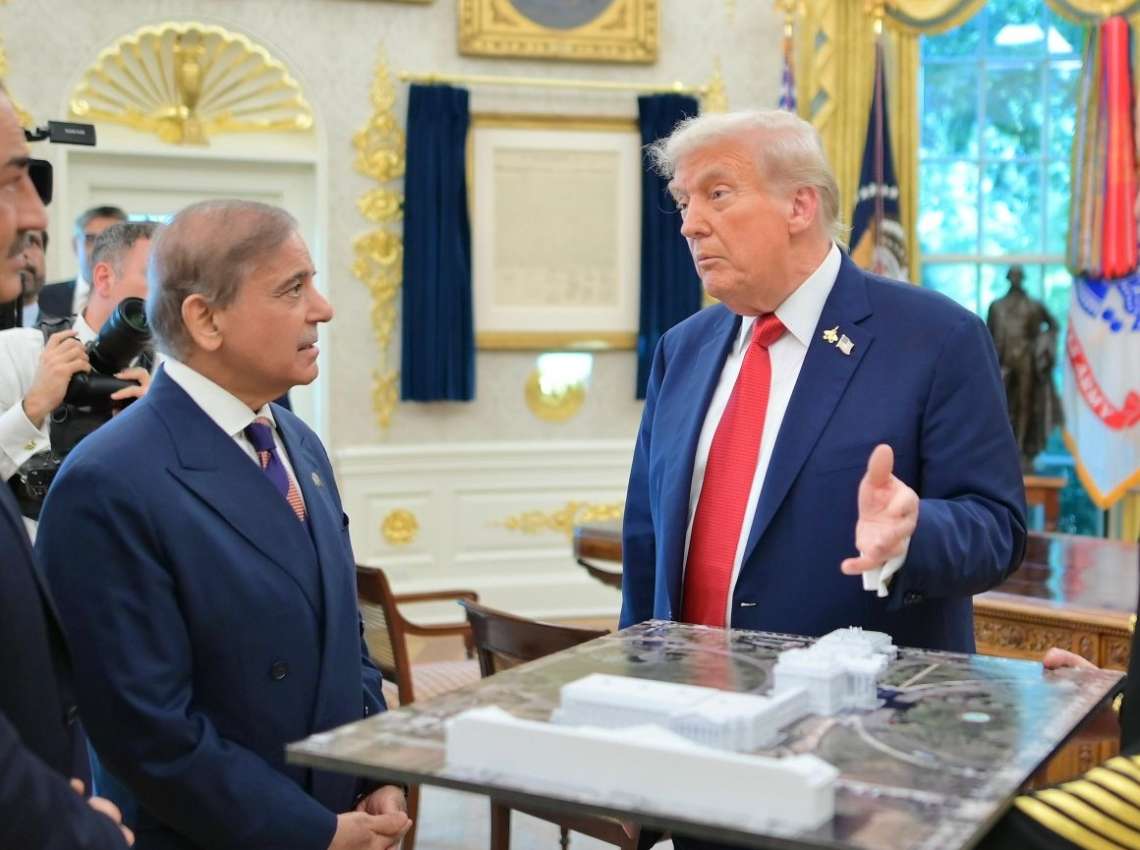
Sharif’s announcement on Tuesday follows a temporary de-escalation after US President Donald Trump postponed threats to bomb Iranian power plants, citing “productive” discussions. In a post on X, the Pakistani prime minister said his country “welcomes and fully supports ongoing efforts to pursue dialogue to end the war.”
“Subject to concurrence by the US and Iran, Pakistan stands ready and honoured to be the host to facilitate meaningful and conclusive talks for a comprehensive settlement,” Sharif added, signalling Islamabad’s willingness to play a central diplomatic role.
Analysts say hosting such talks could elevate Pakistan’s global profile to levels not seen since the country helped mediate the secret diplomatic opening that led to US President Richard Nixon’s historic visit to China in 1972. Over the past year, Islamabad has strengthened ties with Trump’s administration through careful diplomacy and strategic economic and energy engagements.
Pakistan’s role as a potential mediator draws on its reputation as a relatively neutral player with long-standing connections to Tehran, as well as its unique position of maintaining direct contact with both Washington and Iran. At a time when most countries lack such channels, Islamabad’s engagement could prove crucial in bringing both sides to the table.
The offer also reflects Pakistan’s domestic and regional concerns. Home to the world’s second-largest Shiite population after Iran, the country has faced nationwide protests following US and Israeli strikes, including the targeted killing of Ayatollah Ali Khamenei at the onset of the conflict on February 28. Security analysts highlight that Islamabad fears a prolonged war in Iran could spill over its borders, exacerbating instability and compounding existing challenges related to the Taliban insurgency in Afghanistan.
Economic pressures also factor into Pakistan’s diplomacy. The war has caused fuel disruptions and energy supply challenges, adding to the urgency for Islamabad to see an end to hostilities. Hosting peace talks would not only strengthen Pakistan’s international standing but could directly contribute to stabilising its domestic economy.