Crude steel production also recorded an increase, reaching 14.1 million tonnes in May 2026 compared with 13.8 million tonnes in the corresponding month last year
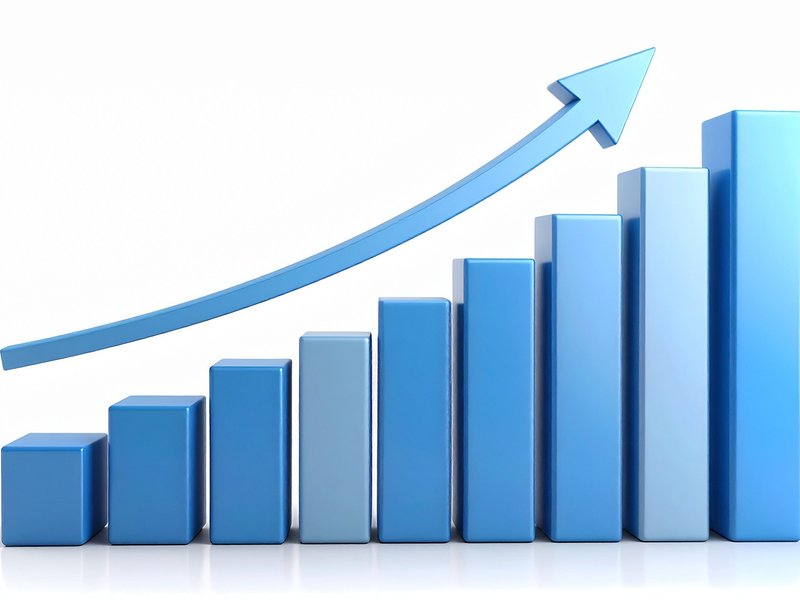
India’s steel industry continued its growth trajectory in May 2026, supported by rising domestic demand, infrastructure development and capacity expansion, according to data released by the Ministry of Steel.
Finished steel production during the month stood at 13.8 million tonnes, marking a 6.8 per cent increase compared with 12.9 million tonnes recorded in May last year. Consumption growth was even stronger, with finished steel demand rising 9.3 per cent to 14.4 million tonnes from 13.1 million tonnes during the same period.
The increase in consumption was driven largely by demand from major infrastructure projects undertaken by the government, including highway, railway and port development initiatives. The sustained infrastructure push has continued to provide support to steel manufacturers, making the sector a key contributor to India’s industrial growth.
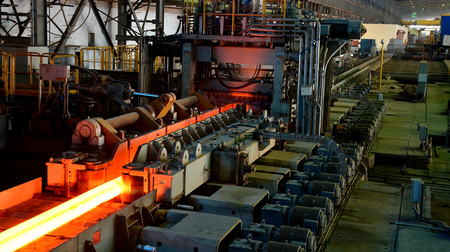
Crude steel production also recorded an increase, reaching 14.1 million tonnes in May 2026 compared with 13.8 million tonnes in the corresponding month last year.
India’s overall crude steelmaking capacity has expanded to nearly 221.9 million tonnes per annum as of May 2026, keeping the country aligned with the National Steel Policy target of achieving 300 million tonnes per annum capacity by 2030.
Public sector steel major Steel Authority of India Limited (SAIL) also reported strong performance for the financial year 2025-26, recording its highest-ever sales volume of 19.93 million tonnes and revenue of Rs 110,810 crore. The company’s sales volume grew 11.4 per cent year-on-year, reflecting improved operational efficiency and healthy market demand.
The steel industry is also focusing on securing raw material supplies and strengthening long-term sustainability. SAIL and NMDC are exploring opportunities to acquire overseas coking coal assets and secure nickel supplies, with the aim of improving raw material security for future operations.
Sustainability has emerged as another key focus area for the sector. SAIL’s Bhilai Steel Plant recently received Environmental Product Declaration certification for its TMT Bars, highlighting efforts towards greener steel production.
The plant’s 15 MW floating solar project generates around 34.25 million units of renewable energy annually, helping reduce carbon emissions and supporting cleaner manufacturing practices.
With rising demand, expanding capacity and increased focus on sustainable production, India’s steel sector is positioning itself for continued growth while supporting the country’s broader infrastructure and economic development goals.