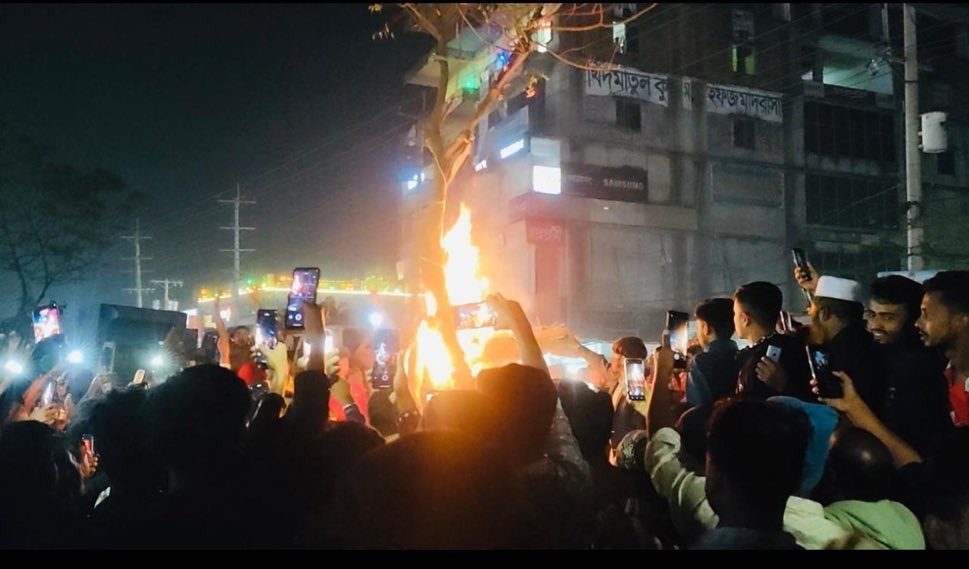
The memory of Dipu Chandra Das resurfaced in April 2026 at Cox’s Bazar – this time under the government of Tarique Rahman, writes Dr Rakesh Sharma
In December 2025, a Hindu garment worker, Dipu Chandra Das from Mymensingh in Bangladesh, was stripped naked, hanged from a tree, and burnt alive. The incident occurred during the rule of Muhammad Yunus, when allegations of human rights abuses and minority persecution were at their peak. The Nobel Peace Prize laureate presided over a period that critics argue marked a new low, with reports of government-enabled Islamist mob violence. From newspaper offices to moderate Sufi shrines, a wide range of institutions came under attack, creating a climate of fear and impunity.
The memory of Dipu Chandra Das resurfaced in April 2026 at Cox’s Bazar—this time under the government of Tarique Rahman. A 35-year-old Hindu sadhu (monk), Nayan Das, was stripped naked and lynched. He was later found hanging from a tree in a remote jungle near his Panchami Mandir in Cox’s Bazar. According to reports, Das had gone missing on April 19 after being called out at night by unknown individuals. His killing bore chilling similarities to earlier acts of brutality, suggesting a pattern rather than an isolated incident.
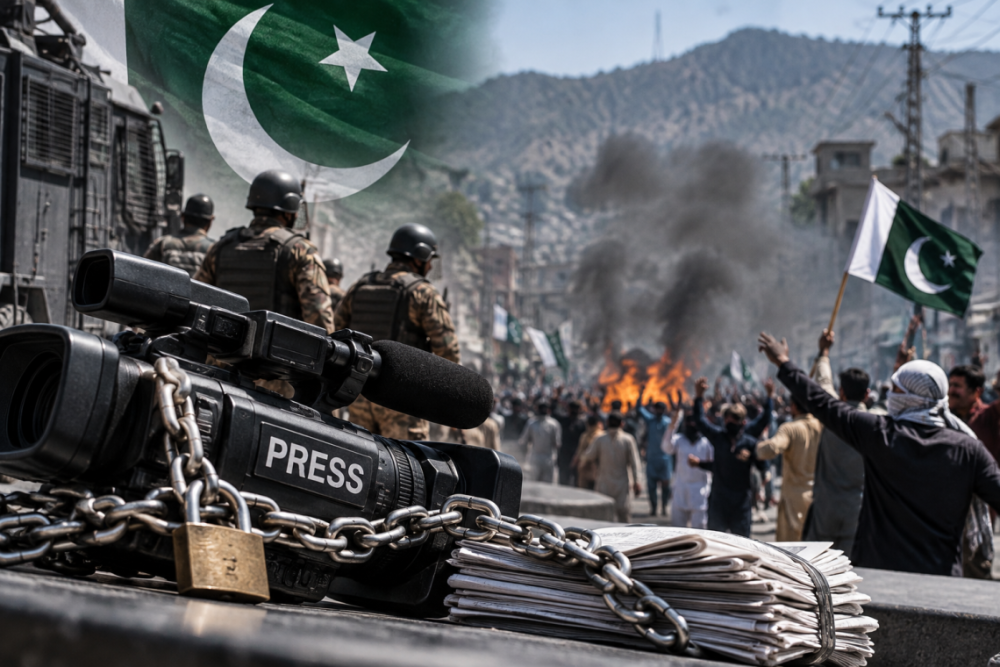
Mainstream Bangladeshi media appeared to underplay the incident. Many outlets are still recovering from the trauma of the Yunus period, during which media houses themselves became targets. Leading newspapers such as The Daily Star and Prothom Alo had openly supported the BNP ahead of the elections, but both organisations were attacked by mobs in December 2025. In the aftermath, there appears to be a reluctance to confront the new establishment too directly, resulting in muted coverage of sensitive issues.

Some smaller media outlets attributed Nayan Das’s killing to land disputes—a familiar explanation often used in cases involving minority victims. However, this argument is difficult to sustain given the location of the temple in a remote, sparsely inhabited area. The circumstances point more convincingly towards a hate crime. Hindu organisations, speaking privately, report a sharp rise in incidents targeting minorities—ranging from arson to killings—within just two months of the BNP government taking office.
To be fair, the new administration in Dhaka has not openly endorsed mob violence. Home Minister Salahuddin Ahmed has repeatedly stated his opposition to such acts. This marks a departure from the previous regime. However, beyond rhetoric, there has been little visible improvement in law and order or in the broader human rights situation. A widely circulated video showing the daylight abduction of a journalist from Bhola underscored the continuing fragility of civil liberties.
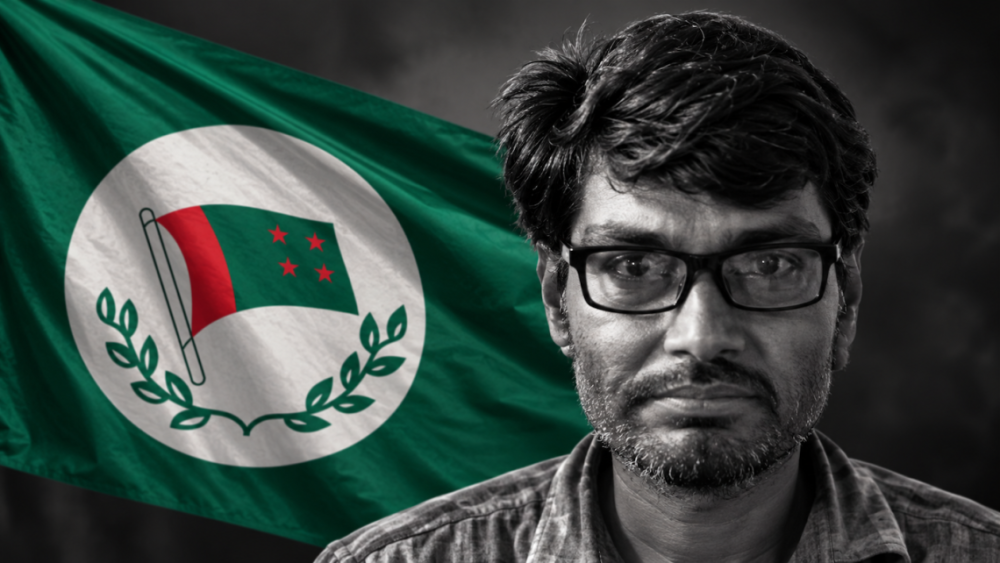
Freedom of speech remains one of the biggest casualties of the post-2024 political upheaval. Many who had earlier criticised Sheikh Hasina for curbing dissent found themselves silenced under Yunus. Under Tarique Rahman, a culture of self-censorship has taken hold, driven by fear of backlash from Islamist forces, particularly Jamaat-e-Islami and the National Citizens Party (NCP). Ironically, lifting the ban on Jamaat created political space that allowed it to re-emerge as a major opposition force in the February 2026 election. At the same time, there are no indications that the ban on the Awami League will be lifted.
The list of concerns is long, and the gap between promise and performance remains wide. If the Tarique Rahman government is serious about restoring democratic norms and protecting minority rights, it will need to move beyond statements and undertake substantive reforms. For now, Bangladesh continues to grapple with a legacy of fear, polarisation, and unresolved injustices.