Iranian Foreign Minister Seyyed Abbas Araghchi said the Strait of Hormuz remains accessible to global shipping except for countries engaged in conflict with Tehran….reports Asian Lite News desk
Iranian Foreign Minister Seyyed Abbas Araghchi said on Friday that the Strait of Hormuz remains open to global shipping, except for vessels belonging to countries “at war with” Tehran, as tensions continue to rise across West Asia.
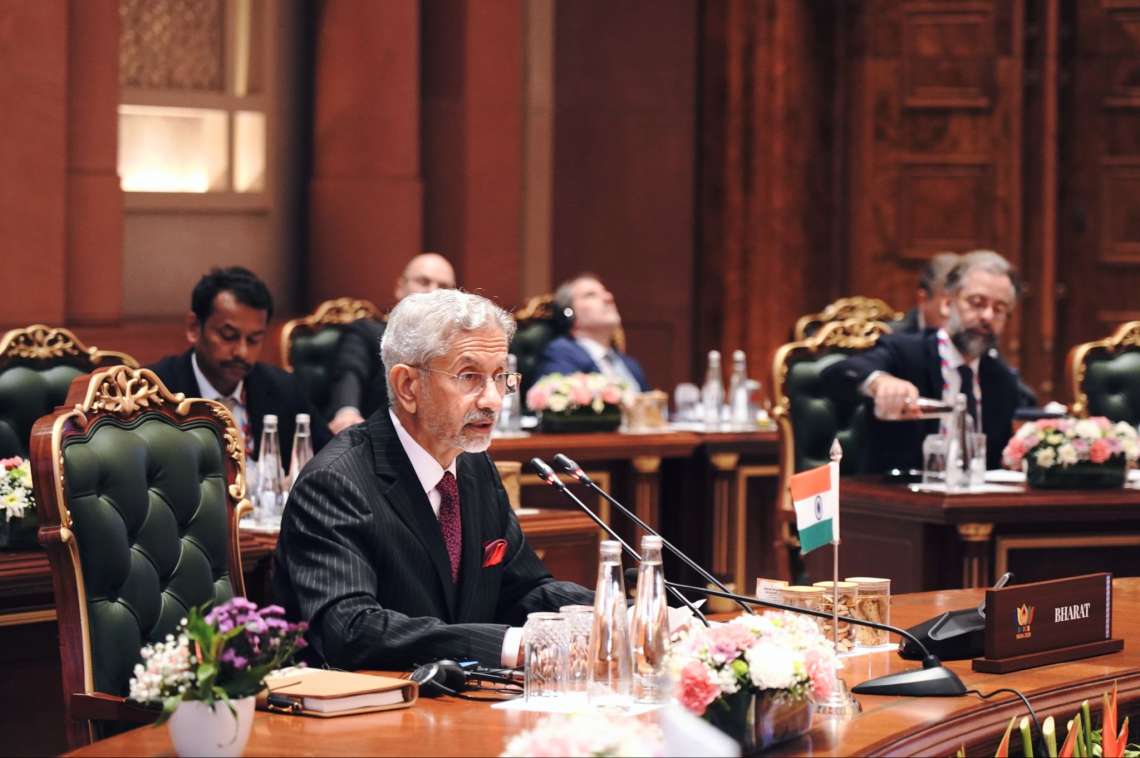
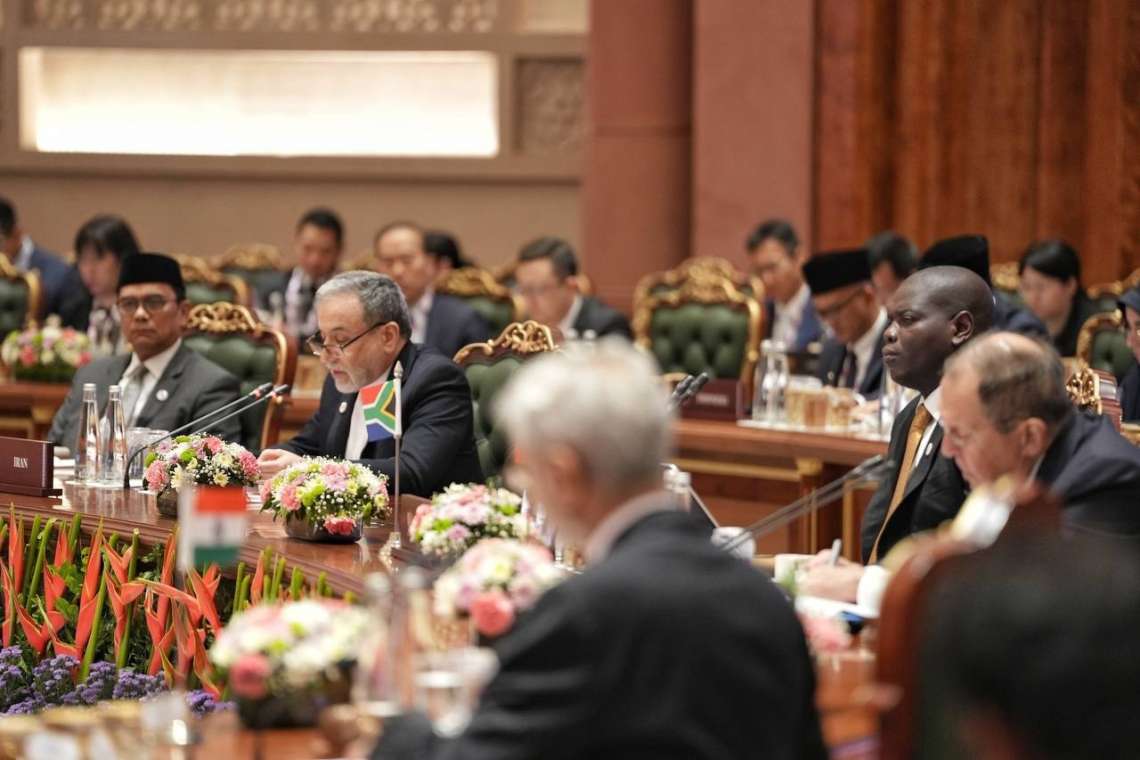
Speaking at a press conference in New Delhi during his visit for the BRICS Foreign Ministers’ Meeting, Araghchi described the situation in the strategic waterway as “very complicated” but insisted Iran was committed to ensuring maritime access for neutral trade.
“As much as our concern, Hormuz is open to all except those vessels of those countries who are in war with us,” he said. “We are ready to help those who want to pass the Strait.”
The Iranian minister said Tehran’s aim was to preserve safe navigation through the key shipping corridor, which handles a significant share of global oil and gas exports. He added that Iran would “arrange safe passage of all vessels” once regional tensions ease.
“Once the aggression is ended, I am sure everything will go to normal,” Araghchi said, linking maritime stability to an end to ongoing hostilities in the region.
He also made a strong geographical and legal assertion about the Strait of Hormuz, saying the passage lies entirely between Iran and Oman and claiming that “there are no international waters” in the corridor.
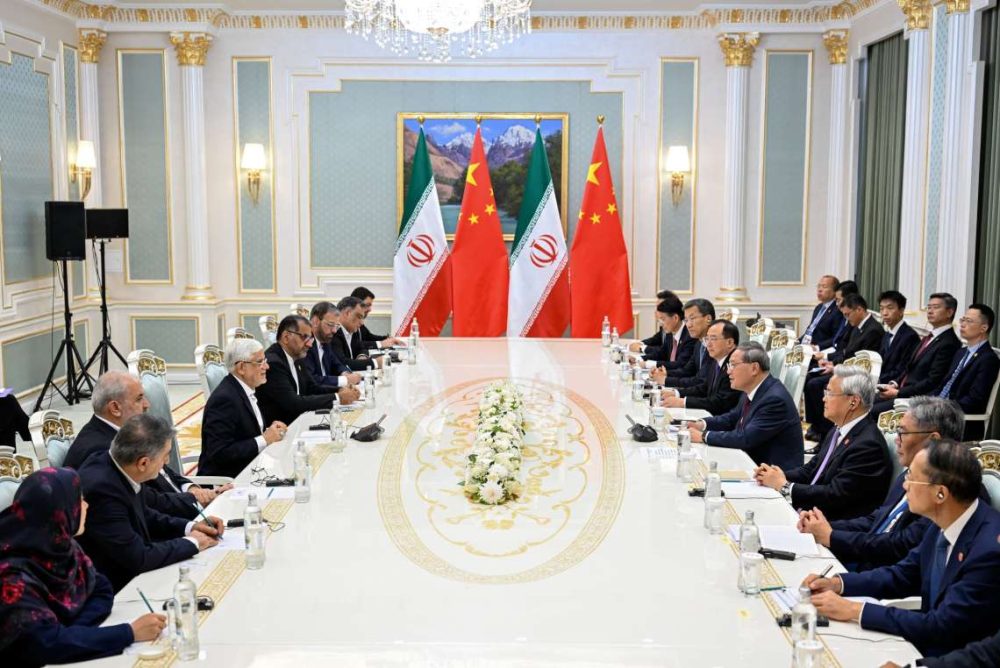
Araghchi’s remarks came during a series of high level meetings in India focused on regional security and diplomatic cooperation. On Friday, he held talks with Indian External Affairs Minister S. Jaishankar following a meeting with Indian Prime Minister Narendra Modi a day earlier.
The Iranian foreign minister said discussions with Indian officials reflected shared concerns over regional instability and maritime security. He added that Tehran would remain in close coordination with New Delhi to facilitate shipping movement through the Strait.
“We have close positions, same concerns and same interests,” Araghchi said, expressing hope that maritime operations would return to normal once the conflict subsides.
However, he criticised the United States sharply, saying Tehran had “no trust in Americans” and accusing Washington of turning to diplomacy only after failing to achieve its objectives militarily.
“After 40 days of war, when the US became hopeless of achieving any goal in their aggression against Iran, they offered negotiation,” he said. “We have every reason not to trust Americans, while they have no reason not to trust us.”
The Strait of Hormuz remains one of the world’s most strategically important waterways, with any prolonged disruption posing a major risk to global energy supplies and international trade.
Araghchi’s comments highlight growing geopolitical tensions in the Gulf region, where maritime security and energy stability remain closely tied to the wider conflict in West Asia.