A presidency once defined by restraint now feels driven by impulse, where judgment comes fast, empathy comes late, and the weight of the Oval Office seems increasingly ignored, writes Aravind Rajeev
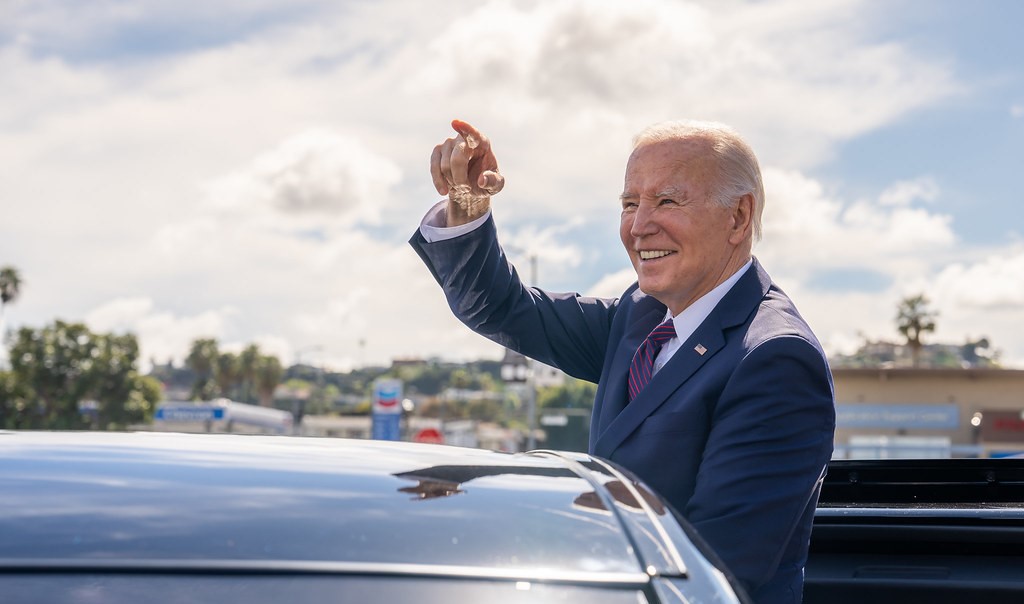
There’s a short video doing the rounds on Facebook. Joe Biden is walking out from somewhere (it hardly matters where), moving slowly, stopping to talk to people gathered around him. They tell him they love him, ask how he’s doing. He smiles, listens, says a few words. The comments underneath are striking. People say they miss him. Not just the policies, but the man. The sense that, whatever his flaws, the presidency was in the hands of someone who understood decency, restraint, and the simple idea that power should be worn lightly.
It’s not nostalgia for perfection. It’s nostalgia for a certain tone, for a time when the Oval Office still felt anchored by a gentleman’s character.
That contrast has never felt sharper than it does now.
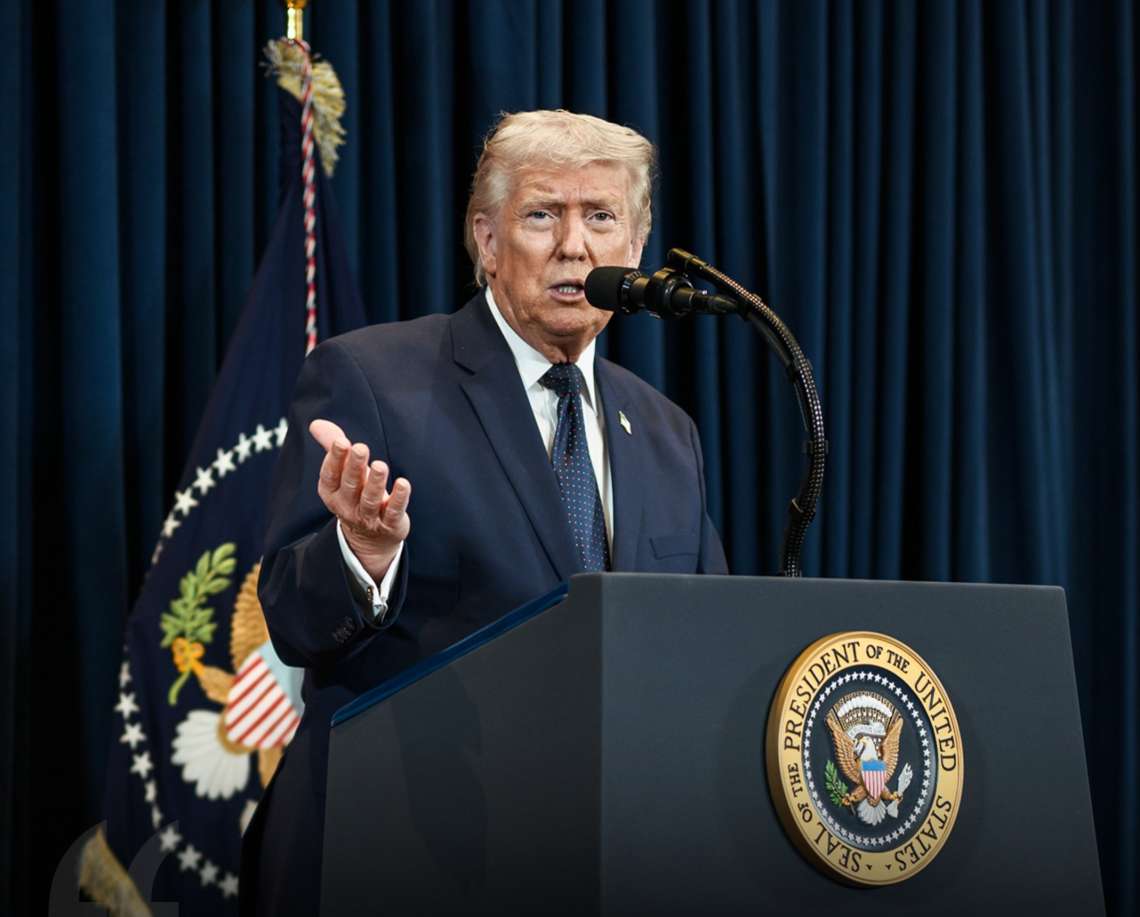
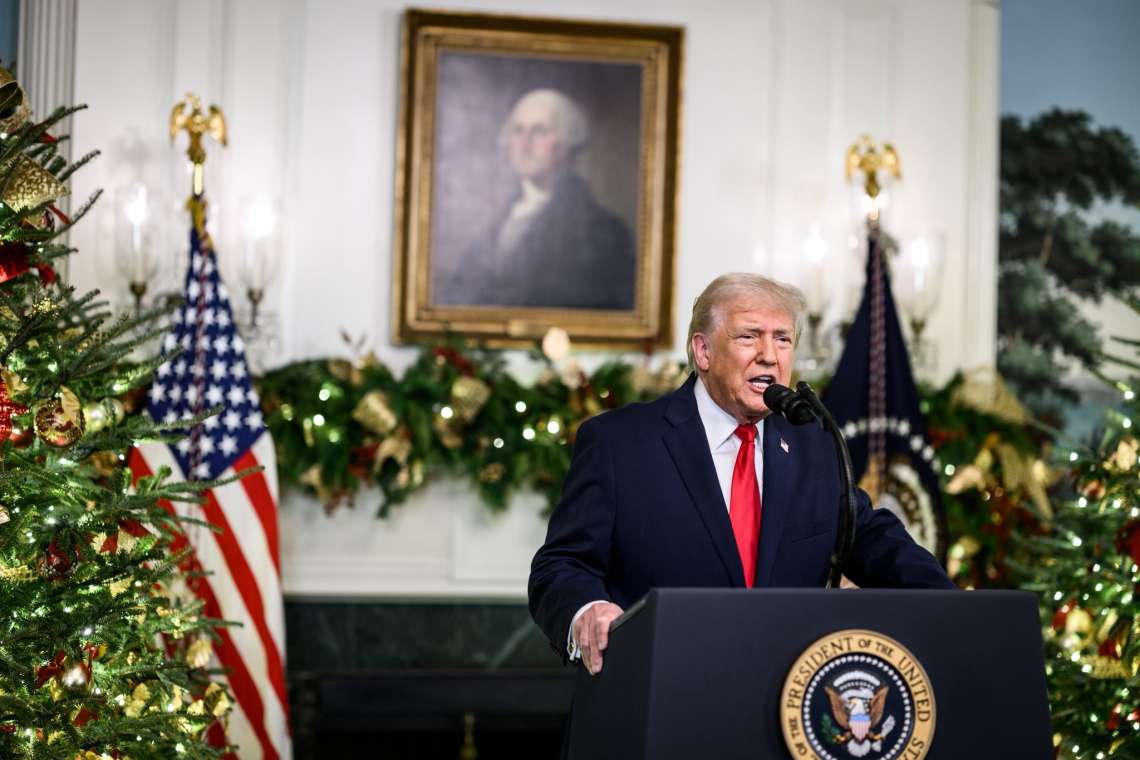
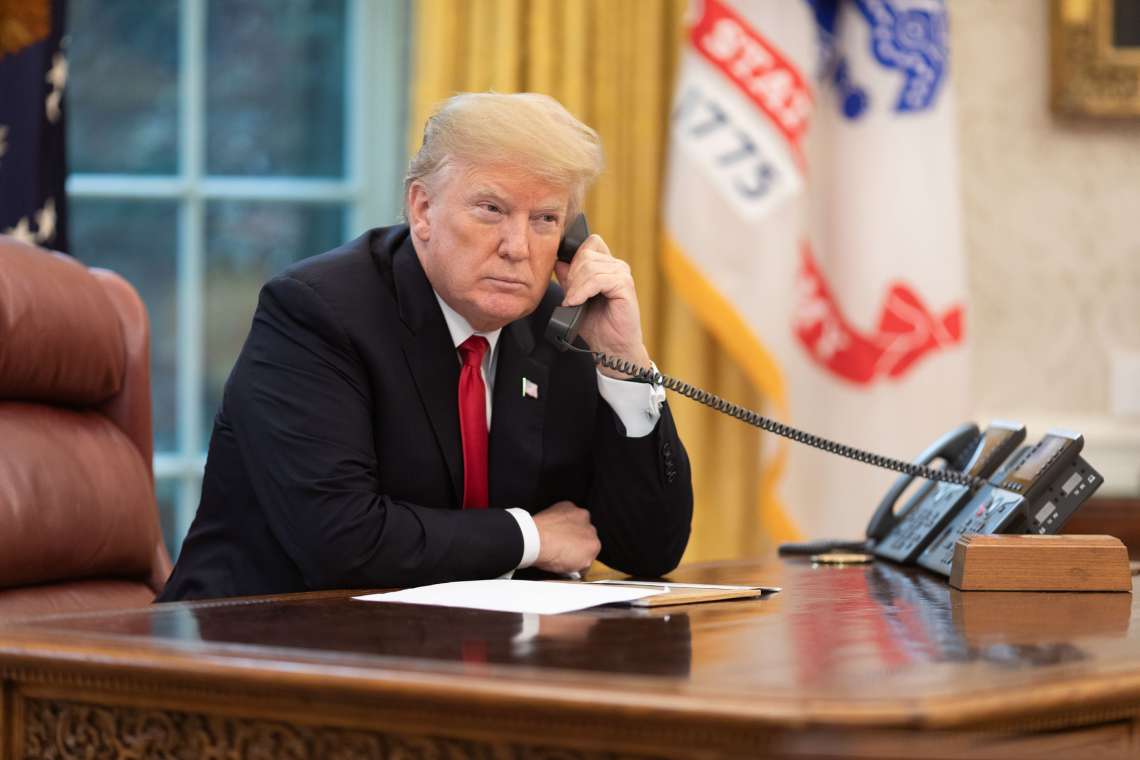
Donald Trump’s presidency is not merely unconventional. It is something altogether different, a presidency that seems almost allergic to the idea that there are things a president should not do, say, or speculate about in public. The question increasingly isn’t what Trump will attempt next, but whether he believes any limits exist at all.
Take the latest Immigration and Customs Enforcement incident in Minneapolis. An ICE officer shot and killed a 37-year-old woman. Within hours, before investigations had run their course, before independent accounts had been verified, Trump told reporters that the woman herself was to blame, claiming she had tried to “run over” the officer. No pause. No caution. No acknowledgement that presidential words can shape public perception and prejudice outcomes.

Most presidents, regardless of ideology, instinctively understand this line. You do not rush to judgement when someone is dead. You do not speak as though you are the prosecutor, the judge, and the jury, especially when federal authority is involved. Trump crossed that line without hesitation, as he so often does.
And this wasn’t an isolated lapse. It fits neatly into a much larger pattern.
In foreign policy, Trump’s remarks and actions have been equally untethered from the norms that once governed American power. His rhetoric on Greenland, openly suggesting the United States should acquire territory belonging to a NATO ally, would once have been dismissed as absurd.
Today, it’s treated as another “Trump moment”, shrugged off even as Denmark is forced to publicly remind Washington that sovereign nations are not real estate listings.
Then there’s Venezuela. A dramatic operation leading to the capture of President Nicolas Maduro, framed as a blow against narco-terrorism but widely understood as regime change, accompanied by talk of oil assets and strategic control. From there, the list grows longer – Cuba, Colombia, Mexico, Iran. Countries spoken about not as diplomatic partners or complex states, but as potential targets, places the United States might “deal with” next.
Previous American presidents understood that even casual threats carry weight. Words spoken from the Oval Office ripple across borders. Allies listen carefully. Adversaries listen even more closely. Trump speaks as though none of that matters, as though the presidency is an extension of his personality rather than an institution that demands discipline.
This is where the idea of gravitas comes in. It’s not about being stiff or emotionless. It’s about knowing when to hold back. About recognising that leadership sometimes means not saying everything you think the moment it occurs to you. About understanding that restraint is not weakness.
Trump’s presidency often feels like the opposite of that. Commenting on active investigations. Assigning blame in deadly incidents before facts are known. Floating invasions, annexations, and military pressure as though they were talking points at a rally. It’s not just unconventional, it’s destabilising.
America has had flawed presidents before. Arrogant ones. Secretive ones. Presidents who made grave mistakes. But rarely has it had a leader so openly uninterested in the moral weight of the office itself. Trump doesn’t just ignore norms, he seems to actively resent the idea that they ever mattered.
Which is why that small, quiet video of Joe Biden resonates. Not because Biden was perfect, or even universally popular, but because he represented something Trump does not, a belief that the presidency is bigger than the person occupying it.