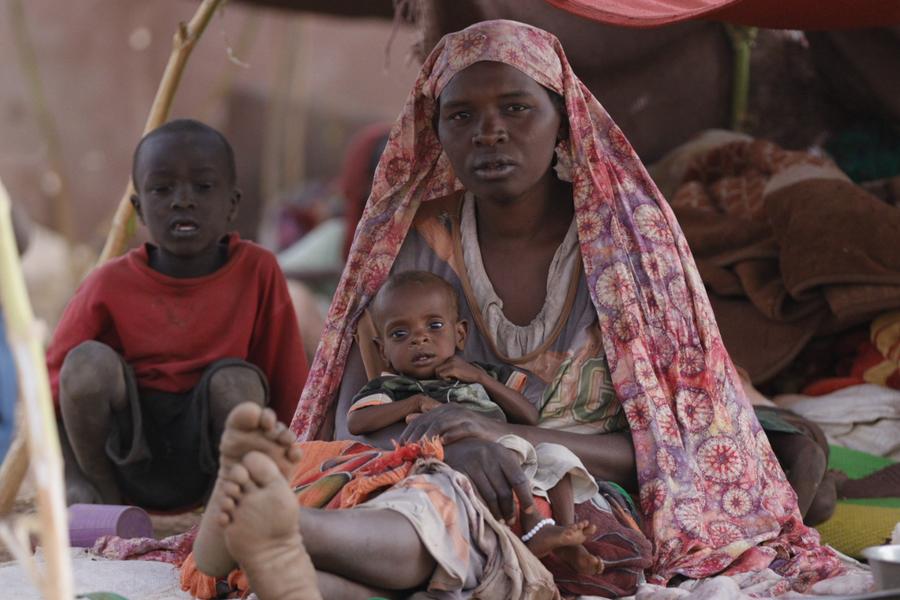
The UN World Food Programme has warned that more than a million people in northeastern Nigeria could lose emergency food and nutrition aid within weeks as funding runs out, even as violence and hunger intensify…reports Asian Lite News
The UN World Food Programme has said that more than a million people in northeastern Nigeria could lose access to emergency food and nutrition aid within weeks unless funding is secured, as violence and hunger surge in the region. The UN food agency said it will sharply scale back assistance, limiting it to only 72,000 people in February, down from 1.3 million people who were assisted during last year’s lean season, which runs from May to October, highlighting the scale of the impending contraction in life-saving support.
The warning comes against a backdrop of worsening food insecurity across Africa’s most populous country. According to WFP, 35 million people are likely to experience severe hunger in Nigeria this year, the highest figure on the continent and the largest recorded since the agency began collecting data in the country. The agency has provided food assistance in northeastern Nigeria since 2015, reaching nearly two million people a year in areas most affected by conflict and displacement, but says it now lacks the resources to sustain that level of help.
In a statement, WFP said that despite earlier support from donors, its funds have been depleted. “Despite generous contributions that sustained WFP’s life-saving aid to the most vulnerable in recent months, those limited resources have now been exhausted,” the agency said. It warned that without fresh funding it would be forced to make painful choices about who receives food and who goes without, in a region where many households already rely almost entirely on humanitarian assistance to survive.
David Stevenson, WFP’s Nigeria Country Director, said the implications of the cuts would go far beyond hunger. “This will lead to catastrophic humanitarian, security and economic consequences for the most vulnerable people who have been forced to flee their homes in search of food and shelter,” he said. Aid agencies have long argued that food insecurity in northeastern Nigeria, driven by years of conflict and poverty, fuels further instability by pushing desperate communities towards negative coping mechanisms.
Renewed violence in recent months has compounded the crisis. Around 3.5 million people have been displaced, according to WFP, after fighting destroyed food supplies and forced families to abandon their homes and farms. Malnutrition has reached critical levels in several northern states, where health services are already overstretched. Officials say widespread attacks by various armed groups have deterred farmers from using their land, reducing harvests and undermining local food markets at a time when prices are already high.
The insecurity has not been confined to one area. Last week, gunmen abducted more than 150 worshippers in simultaneous attacks on three separate churches in northwest Nigeria, underlining how violence continues to spread and disrupt daily life. Such incidents, alongside ongoing clashes in the northeast, have made it increasingly difficult for aid agencies to operate and for civilians to move freely in search of work, food or safety.
Nigeria’s food crisis has also been aggravated by changes in international aid flows. The country is among several in West and Central Africa that have been affected by a major scaling down of United Nations food assistance following a decision by US President Donald Trump to cut the United States Agency for International Development. The reduction in US funding, one of the largest sources of humanitarian aid globally, has had ripple effects across multiple crises, leaving agencies like WFP struggling to fill the gaps.
In July, WFP had already scaled back nutrition programmes across West and Central Africa, signalling that the strain on its budget was becoming unsustainable. Nigeria, with its large population and multiple overlapping emergencies, has been particularly exposed to those cuts. Aid workers say that while other donors have stepped in to some extent, the loss of such a significant funding stream has made it harder to maintain consistent levels of support, especially in high-need areas such as Borno, Adamawa and Yobe states in the northeast.
The lean season, which typically runs from May to October, is a particularly dangerous period for food security, as household stocks from the previous harvest run low and market prices rise. Last year, WFP was able to assist 1.3 million people during this period in northeastern Nigeria, helping to prevent a wider humanitarian catastrophe. The prospect of supporting only 72,000 people in February, months before the next lean season begins, has raised alarm among aid agencies and local officials who fear that many more families could be pushed into crisis.