After five decades of development, the highway continues to inspire travellers with its combination of history, adventure and scenic beauty, making it a remarkable route through one of China’s most captivating regions
Fifty years after opening to traffic, the Yunnan-Xizang Highway remains one of China’s most breathtaking travel routes, taking visitors through dramatic mountain landscapes, historic towns and culturally rich regions of the country’s southwest.
Completed on July 6, 1976, the 715-kilometre highway stretches from Xiaguan in Yunnan Province to Mangkam County in the Xizang Autonomous Region. The route crosses the Jinsha and Lancang rivers, winds through the rugged Hengduan Mountains and climbs over snow-covered passes, offering spectacular views at every stage of the journey.

Originally built as a key transport link connecting remote areas, the highway has undergone several upgrades over the past five decades. Today, it serves not only as an important route for local communities but also as an increasingly popular path for travellers seeking natural beauty, adventure and cultural experiences.
The journey through Yunnan introduces visitors to some of the region’s most iconic destinations. The ancient town of Dali, with its traditional architecture and views of Erhai Lake, reflects the province’s rich heritage. Further along the route, Lijiang and Shangri-La showcase a blend of history, local traditions and Tibetan cultural influences.
Beyond the towns, the highway enters a world of dramatic natural landscapes. Towering mountains, deep valleys, flowing rivers and vast alpine environments define the route. The snow-capped Meili Snow Mountain stands among the highlights, attracting visitors with its majestic peaks and stunning surroundings.

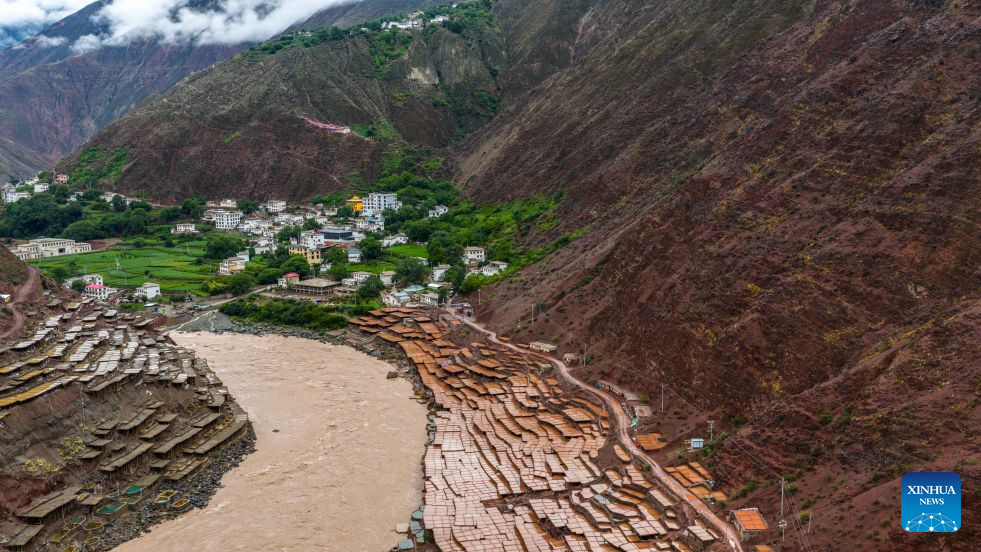
The highway also passes through diverse ecosystems, including areas around the Napa Lake Nature Reserve near Shangri-La. Travellers encounter a changing landscape ranging from river valleys and salt fields along the Lancang River to high-altitude mountain scenery shaped by centuries of geological change.
More than just a road, the Yunnan-Xizang Highway offers a window into the natural and cultural diversity of southwest China. Each stretch reveals a different aspect of the region—from ancient settlements and traditional lifestyles to some of the country’s most dramatic wilderness.
After five decades of development, the highway continues to inspire travellers with its combination of history, adventure and scenic beauty, making it a remarkable route through one of China’s most captivating regions.


A visual journey along the Yunnan-Xizang Highway, capturing its breathtaking mountain landscapes, ancient towns, rivers and cultural heritage 50 years after the iconic route opened to traffic. (Xinhua/Hu Chao, Xinhua/Jiang Wenyao)