In Pakistan, the repeated restrictions, detentions and administrative hurdles faced by women’s movements suggest that the struggle over civic freedoms is far from resolved, writes Dr Sakariya Kareem
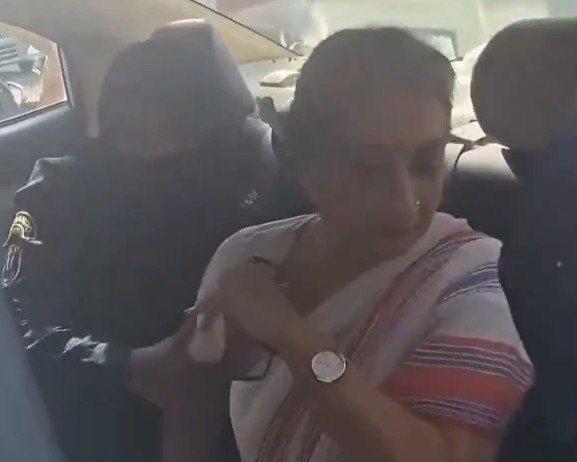
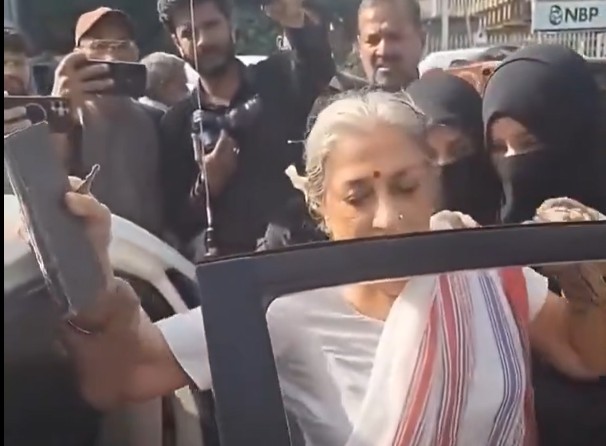
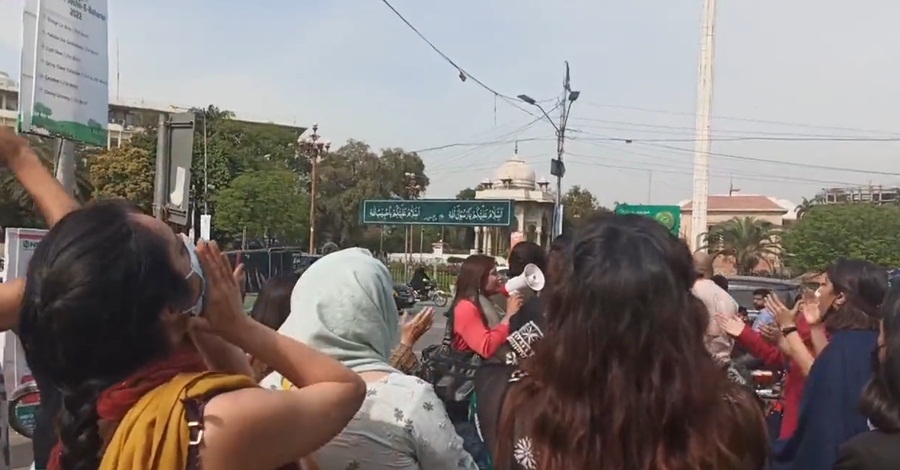
The images were stark and difficult to ignore. Pakistani women carrying placards, activists attempting to address journalists, and police officers dragging demonstrators into waiting vehicles outside Karachi Press Club.
Among those briefly detained was veteran classical dancer and women’s rights campaigner Sheema Kermani. Their alleged offence was not violence, vandalism or incitement.
They were attempting to hold a press conference and organise activities linked to the annual Aurat March, one of Pakistan’s most prominent platforms for advocating women’s rights.
The incident has once again exposed a contradiction that continues to haunt Pakistan’s democratic narrative.
While political leaders frequently invoke democracy, constitutional freedoms and the legacy of women leaders such as Benazir Bhutto, women demanding equal rights and greater protection often encounter bureaucratic obstacles, police intervention and public hostility.
The clash between official rhetoric and ground realities has become increasingly visible in recent years as women’s rights activists face growing restrictions while attempting to exercise freedoms guaranteed under Pakistan’s Constitution.
The controversy surrounding the latest Aurat March is not an isolated event. Rather, it reflects a broader pattern in which civic activism, particularly when led by women, is increasingly subjected to scrutiny, regulation and suppression.
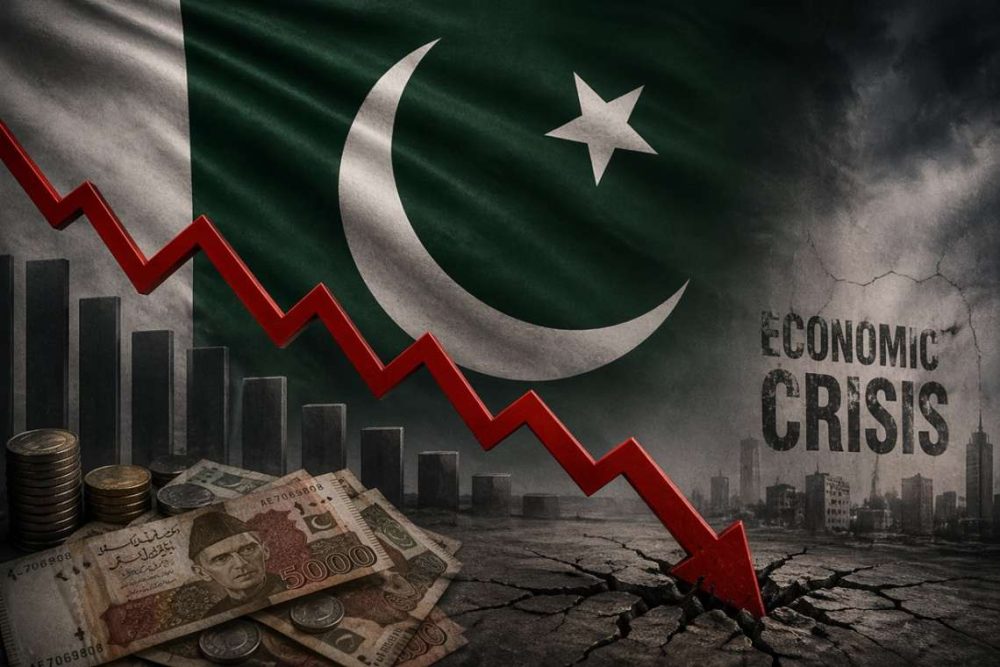
At a time when Pakistan presents itself internationally as a democratic state committed to human rights, repeated confrontations between authorities and women’s rights movements raise difficult questions about the country’s treatment of dissent and the shrinking space available for civic engagement.
Battle over public space
For eight consecutive years, organisers of the Aurat March have found themselves navigating uncertainty regarding official permissions and administrative approvals.
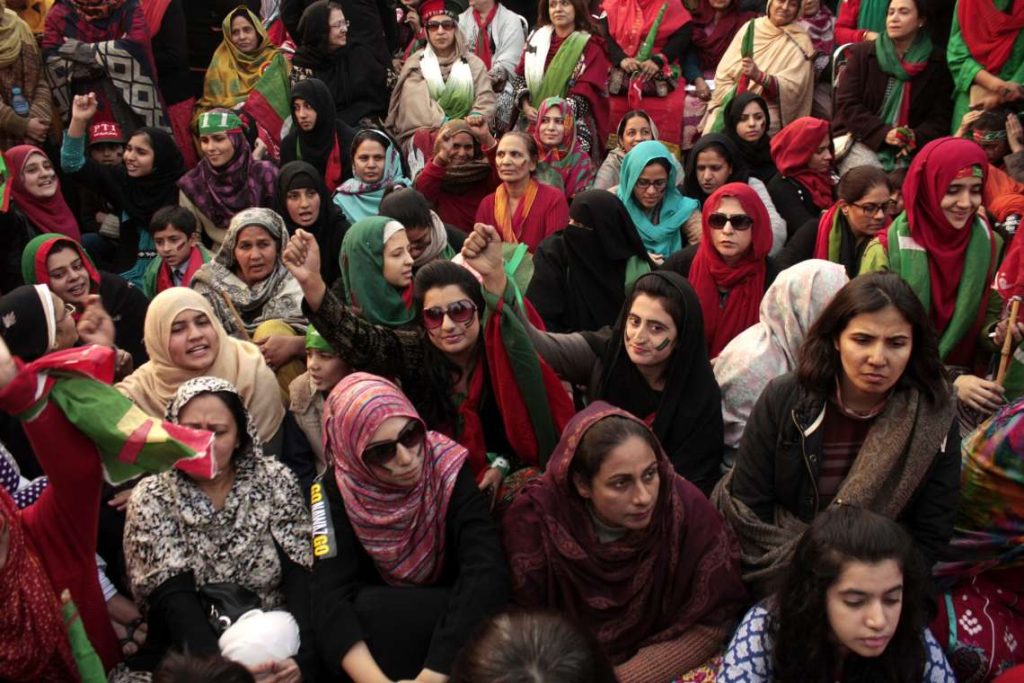
The annual march, which takes place around International Women’s Day, has become one of Pakistan’s most visible civil society movements, highlighting issues including gender-based violence, workplace discrimination, child marriage, reproductive rights and economic inequality.
This year followed a familiar pattern. According to reports published in Dawn and The Express Tribune, organisers struggled to secure the necessary no-objection certificate (NOC) from authorities.
Days before the event, uncertainty remained over whether permission would be granted. Tensions escalated when activists attempting to hold a press conference outside Karachi Press Club were detained by police.
The episode quickly drew criticism from rights groups, lawyers and civil society organisations. Critics argued that holding a press conference inside a recognised media venue could not reasonably be interpreted as an unlawful assembly.
Questions emerged regarding the legal basis for the intervention and whether authorities were using administrative procedures to discourage civic participation.
Although some police officials were subsequently suspended, the broader concerns remained unresolved.
Activists argued that the detentions reflected a recurring strategy in which delays, confusion and procedural obstacles are used to discourage women from occupying public spaces and expressing political demands.
Democracy in principle, restrictions in practice
The tensions surrounding the Aurat March have highlighted a wider debate about democratic freedoms in Pakistan.
The country’s Constitution guarantees freedom of speech, peaceful assembly and association. These rights are central to democratic governance and are intended to protect citizens regardless of their political beliefs or social causes.
Yet rights organisations increasingly argue that these freedoms are becoming more difficult to exercise in practice.
The treatment of women’s rights activists has become particularly controversial because it often contrasts sharply with official narratives celebrating women’s political participation.
Pakistani leaders regularly highlight milestones achieved by women in politics, education and public service. However, critics argue that symbolic recognition frequently coexists with institutional resistance towards grassroots activism.
The latest restrictions imposed on Aurat March Karachi intensified those concerns. Reports indicated that authorities introduced an extensive list of conditions governing the event, including limitations on slogans, conduct and other aspects of participation.
Rights advocates viewed the restrictions as evidence of a state apparatus increasingly uncomfortable with independent civic mobilisation.
The controversy also reflected a broader trend identified by human rights organisations, which have repeatedly warned about shrinking civic space across Pakistan.
Women’s rights remain a contentious battlefield
The disputes surrounding Aurat March emerge against a backdrop of persistent gender inequality and violence against women in Pakistan.
According to human rights organisations and government data, women continue to face significant challenges, including domestic violence, forced marriages, honour killings, workplace discrimination and barriers to education and employment.
While legislation addressing some of these issues has been enacted over the years, implementation remains uneven, and enforcement is frequently inconsistent.
Recent incidents have reignited public debate over the vulnerability of women within Pakistani society.
During this year’s Aurat March, activists paid tribute to Shanti, a 19-year-old bride from Lyari whose death following alleged sexual violence generated widespread public outrage and renewed scrutiny of marital abuse.
The case became emblematic of broader concerns regarding violence against women and the difficulties many victims encounter in seeking justice.
Women’s rights campaigners argue that events such as Aurat March provide rare opportunities to discuss issues that are often ignored or marginalised within mainstream political discourse.
The repeated attempts to regulate or restrict these gatherings attract significant attention because they affect one of the few nationwide platforms available for public discussion of gender-related concerns.
Civic space under increasing pressure
The challenges facing women’s rights movements form part of a larger pattern affecting civil society across Pakistan.
Human rights organisations have documented increasing restrictions on public assembly, freedom of expression and political activism in recent years.
Amendments to laws, including the Prevention of Electronic Crimes Act (PECA), alongside broader concerns regarding media freedom and digital surveillance, have generated criticism from domestic and international observers.
The Human Rights Commission of Pakistan has repeatedly highlighted what it describes as a contraction of civic space, noting growing pressure on activists, journalists and advocacy groups.
International watchdogs have similarly expressed concern over the use of legal and administrative mechanisms that critics argue discourage dissent.
Within this environment, women’s rights organisations often face a unique combination of political, religious and social opposition.
Activists are regularly subjected to online harassment, misinformation campaigns and personal attacks.
Public events frequently attract criticism from conservative groups, while organisers must navigate complex administrative procedures to secure permissions.
The result is a climate in which women demanding constitutional rights are frequently portrayed as controversial actors rather than citizens exercising fundamental freedoms.
Contradiction at the heart of Pakistan’s democratic narrative
Pakistan’s political leadership has increasingly sought to project an image of democratic maturity and international engagement.
Officials regularly emphasise constitutional governance, electoral politics and participation in global discussions concerning human rights and development.
Yet episodes such as the Aurat March controversy expose tensions within that narrative.
The state’s handling of women-led civic activism has become a focal point for broader concerns about democratic freedoms.
Critics argue that a government confident in its democratic credentials would not view peaceful assemblies, press conferences or rights campaigns as threats requiring extensive regulation.
The issue extends beyond a single march or a single city. It touches on fundamental questions regarding who is permitted to occupy public space, whose voices are considered legitimate and how constitutional freedoms are interpreted in practice.
As debates surrounding women’s rights continue, the treatment of activists remains a revealing measure of the health of democratic institutions.
In Pakistan, the repeated restrictions, detentions and administrative hurdles faced by women’s movements suggest that the struggle over civic freedoms is far from resolved.
The images from Karachi this year were not merely about one protest or one organisation. They reflected a broader reality in which women seeking visibility, equality and participation continue to encounter resistance from institutions that simultaneously claim to champion democratic values.
The contradiction remains one of the most striking features of Pakistan’s contemporary political landscape.