DMK and Congress finalise seat-sharing pact for 2026 Tamil Nadu Assembly elections, giving Congress 28 constituencies and one Rajya Sabha seat within the ruling alliance.
The alliance between the Dravida Munnetra Kazhagam and the Indian National Congress has taken a decisive step ahead of the 2026 Tamil Nadu Assembly elections, with the two parties finalising a seat-sharing arrangement aimed at consolidating their electoral partnership.
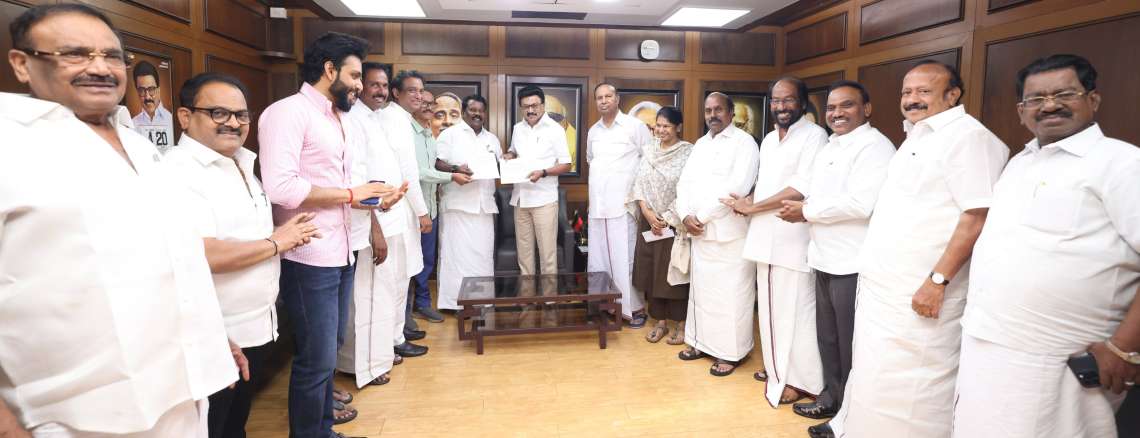
Following the second round of negotiations held in Chennai on March 4, the parties agreed that Congress will contest 28 Assembly constituencies as part of the ruling alliance in the state. In addition, the party will be allocated one seat in the upcoming elections to the Rajya Sabha.
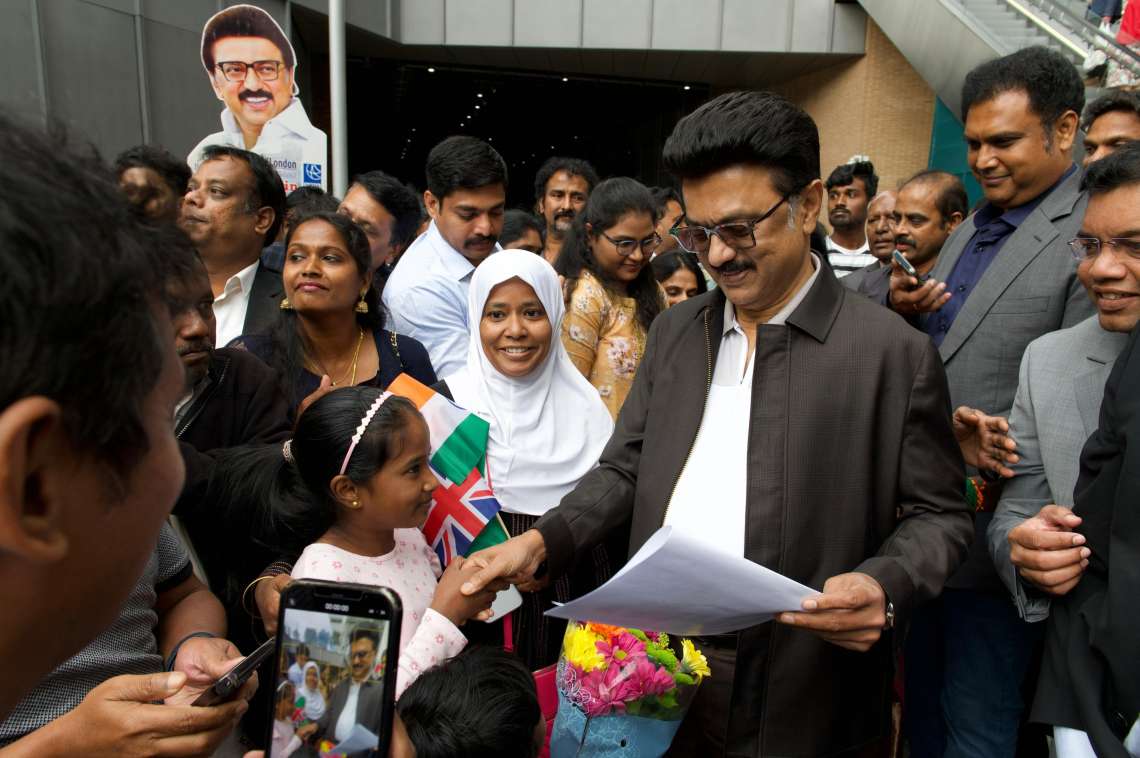
The decision was confirmed after a meeting between Tamil Nadu Chief Minister and DMK president M. K. Stalin and Tamil Nadu Congress Committee president K. Selvaperunthagai. Party leaders said the talks focused on ensuring a smooth distribution of constituencies among alliance partners as preparations intensify for the state elections due in 2026.
In a joint statement issued after the meeting, the parties said the agreement had been reached after discussions on the framework for the upcoming polls. The statement noted that the Congress, which is part of the Secular Progressive Alliance, would contest 28 constituencies in the Assembly elections and would also receive a Rajya Sabha seat as part of the arrangement.
The negotiations took place at the DMK headquarters, Anna Arivalayam, and involved senior leaders from both parties. The Congress delegation included its seat-sharing committee led by All India Congress Committee election in-charge Girish Chodankar, along with Congress Legislature Party leader Rajesh Kumar and AICC secretary Nivedita Alva.
From the DMK side, Chief Minister Stalin was joined by party deputy general secretary Kanimozhi Karunanidhi during the discussions.
The agreement represents an important milestone for the Secular Progressive Alliance (SPA), the coalition led by the DMK that currently governs Tamil Nadu. By finalising the Congress allocation early in the election cycle, alliance leaders hope to provide clarity to party workers and begin coordinated campaign planning well ahead of the polls.
Tamil Nadu’s legislative assembly consists of 234 seats, and elections are expected to take place in the first half of 2026. The ruling alliance led by Stalin is expected to campaign on the continuation of what it describes as the “Dravidian Model”, a governance approach emphasising welfare programmes, social justice and economic growth.
Political observers say the seat-sharing arrangement reflects the DMK’s strategy of maintaining a broad coalition against the opposition bloc led by the All India Anna Dravida Munnetra Kazhagam and the Bharatiya Janata Party.
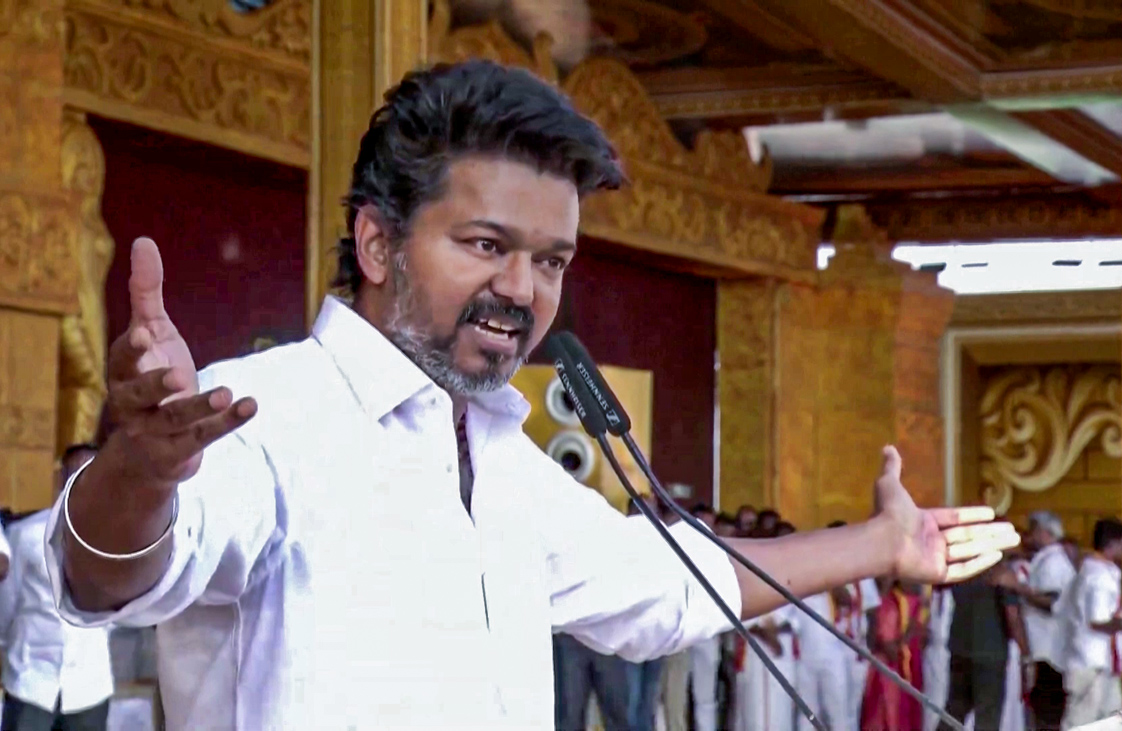
The contest is also expected to be shaped by the entry of actor-turned-politician Vijay, whose party Tamilaga Vettri Kazhagam has announced plans to participate in the elections. Analysts believe his presence could transform the political landscape into a three-cornered contest in several constituencies.
The DMK-led alliance performed strongly in the previous Assembly elections held in 2021. In those polls, the DMK secured 133 seats, forming the government with a comfortable majority. The Congress won 18 seats, while other alliance partners including the PMK and VCK also contributed to the coalition’s overall tally.
Together, the Secular Progressive Alliance won 159 seats in the 2021 election, giving it a decisive mandate in the state. The opposition National Democratic Alliance secured 75 seats, with the AIADMK emerging as the largest party within that alliance with 66 seats.
With the next election approaching, political parties are beginning to formalise alliances, seat allocations and campaign strategies. The DMK-Congress agreement is expected to provide a template for negotiations with other coalition partners within the SPA.
For both parties, the deal signals continuity in a partnership that has played a central role in Tamil Nadu’s political landscape in recent years. As campaigning gathers momentum, leaders from the alliance are expected to emphasise governance achievements while seeking to retain the broad coalition of voters that brought them to power in 2021.