A bipartisan Russia sanctions bill backed by senior US lawmakers has put India at risk of punitive tariffs of up to 500 per cent for continuing to buy Russian oil…reports Asian Lite News
A proposed United States law that would impose sweeping 500 per cent tariffs on countries purchasing Russian oil has once again brought India into sharp focus, raising the prospect of severe economic repercussions for New Delhi at a sensitive moment in bilateral trade negotiations with Washington. The warning was issued by veteran Republican Senator Lindsey Graham, who said President Donald Trump had approved the advancement of a bipartisan Russia sanctions bill aimed at choking off Moscow’s energy revenues.
Speaking publicly, Graham named India alongside China and Brazil as countries that could be targeted under the proposed legislation. “This bill would give President Trump tremendous leverage against countries like China, India and Brazil to incentivise them to stop buying the cheap Russian oil that provides the financing for [Vladimir] Putin’s bloodbath against Ukraine,” he said. The reference to Vladimir Putin underlined the bill’s stated objective of curbing Russia’s ability to fund its war in Ukraine by penalising third countries that continue energy trade with Moscow.
The remarks followed a series of interactions between US lawmakers and Indian officials over New Delhi’s energy imports. On January 5, Graham said that India’s ambassador to the US, Vinay Kwatra, had informed him that India was reducing its purchases of Russian oil and had asked him to convey to President Trump a request to “relieve the tariff” imposed on India. That intervention suggested ongoing diplomatic efforts by New Delhi to mitigate the risk of harsher trade measures while signalling a gradual recalibration of its oil sourcing.
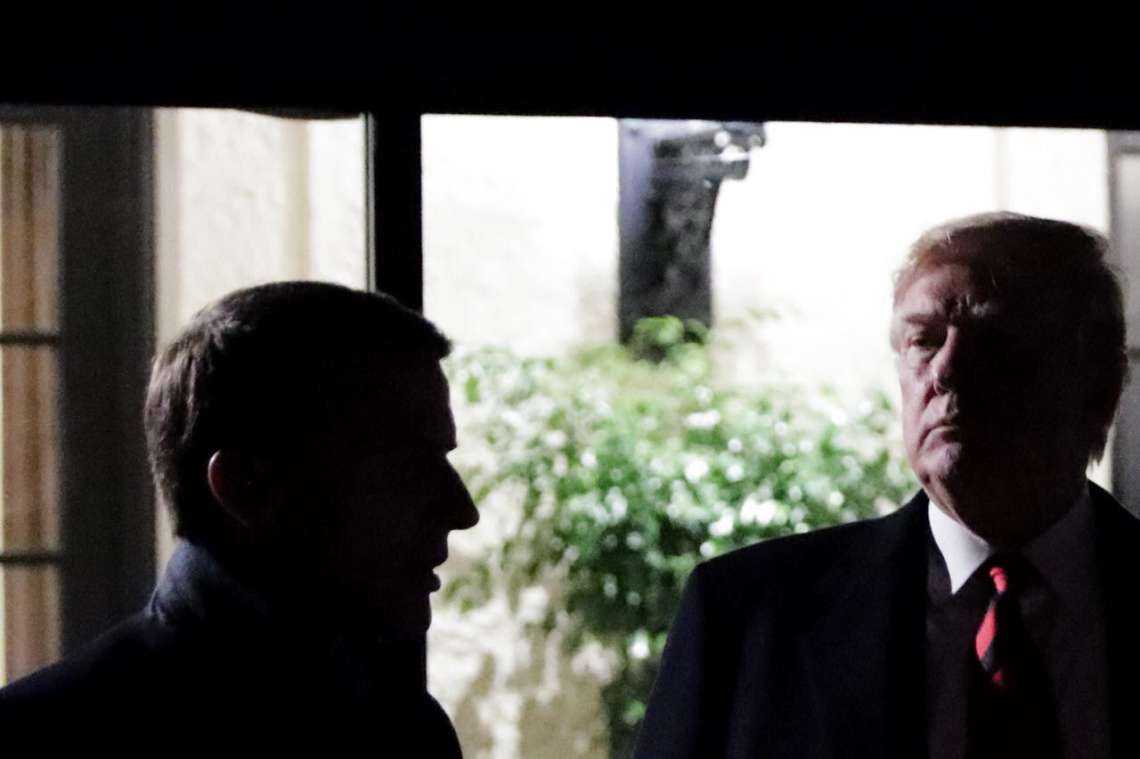
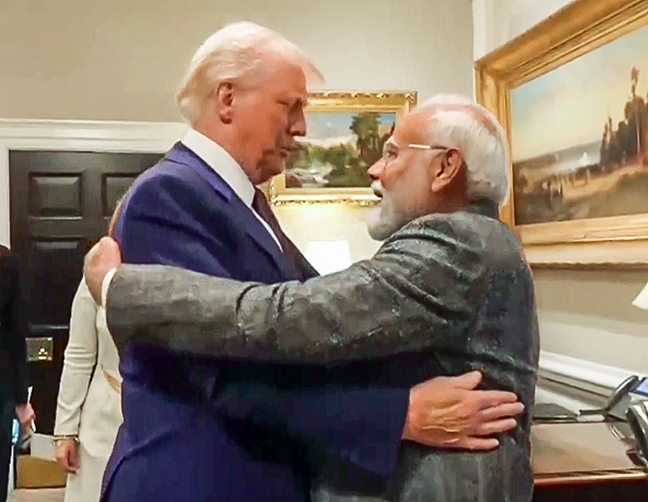
The issue gained further prominence after Graham spoke alongside Trump aboard Air Force One, where he again outlined his proposal to levy 500 per cent tariffs on imports from countries buying Russian oil. Trump, for his part, said Prime Minister Narendra Modi “knew he was not happy” with India’s continued purchases and warned that Washington could raise tariffs on New Delhi “very quickly”. The comments underscored the administration’s readiness to use trade pressure as leverage in pursuit of its foreign policy goals.
In a statement issued on Thursday, Graham said: “After a very productive meeting today with President Trump on a variety of issues, he greenlit the bipartisan Russia sanctions bill that I have been working on for months with Senator Blumenthal and many others. This will be well-timed, as Ukraine is making concessions for peace and Putin is all talk, continuing to kill the innocent. This bill will allow President Trump to punish those countries that buy cheap Russian oil, fuelling Putin’s war machine.” He added: “I look forward to a strong bipartisan vote, hopefully as early as next week.”
The proposed legislation, formally titled the Sanctioning Russia Act of 2025, has been authored by Graham and Democratic Senator Richard Blumenthal. It would grant the US administration powers to impose tariffs and secondary sanctions on countries that purchase Russian oil, gas, uranium and other exports. The intention, according to its sponsors, is to cut off a major source of revenue that underpins Russia’s military operations.
While the bill has attracted bipartisan backing, the White House has previously sought revisions to ensure flexibility for the president in how sanctions are applied. A White House official earlier this week did not specify whether any changes had been secured, leaving open questions about the scope and timing of potential measures. The administration is also engaged in negotiations aimed at ending the war in Ukraine, which has been ongoing for nearly four years, adding another layer of complexity to the sanctions debate.
For India, the stakes are particularly high. New Delhi has been on a gradual path towards reducing oil imports from Russia, especially since the US imposed 25 per cent tariffs in August last year. Official trade data show that Indian imports from Russia declined by more than 18 per cent between April and October last year compared with the same period a year earlier, and the downward trend has continued since September 2025. Indian officials have pointed to these figures as evidence of adjustment rather than defiance.
Nevertheless, India already faces tariffs of up to 50 per cent on its exports to the US, making it one of the hardest-hit countries globally. Those measures have weighed on exports to one of India’s most important markets and have had a knock-on effect on investment flows. The prospect of additional, far steeper tariffs linked to Russian oil purchases would compound those pressures and could significantly disrupt trade ties.
At the same time, Delhi and Washington are engaged in negotiations over a broader trade deal, with both sides expressing hope of concluding an agreement as soon as possible. The looming threat of 500 per cent tariffs has injected urgency into those talks, even as it highlights the tension between strategic partnerships, energy security concerns and the use of economic coercion in pursuit of geopolitical objectives.