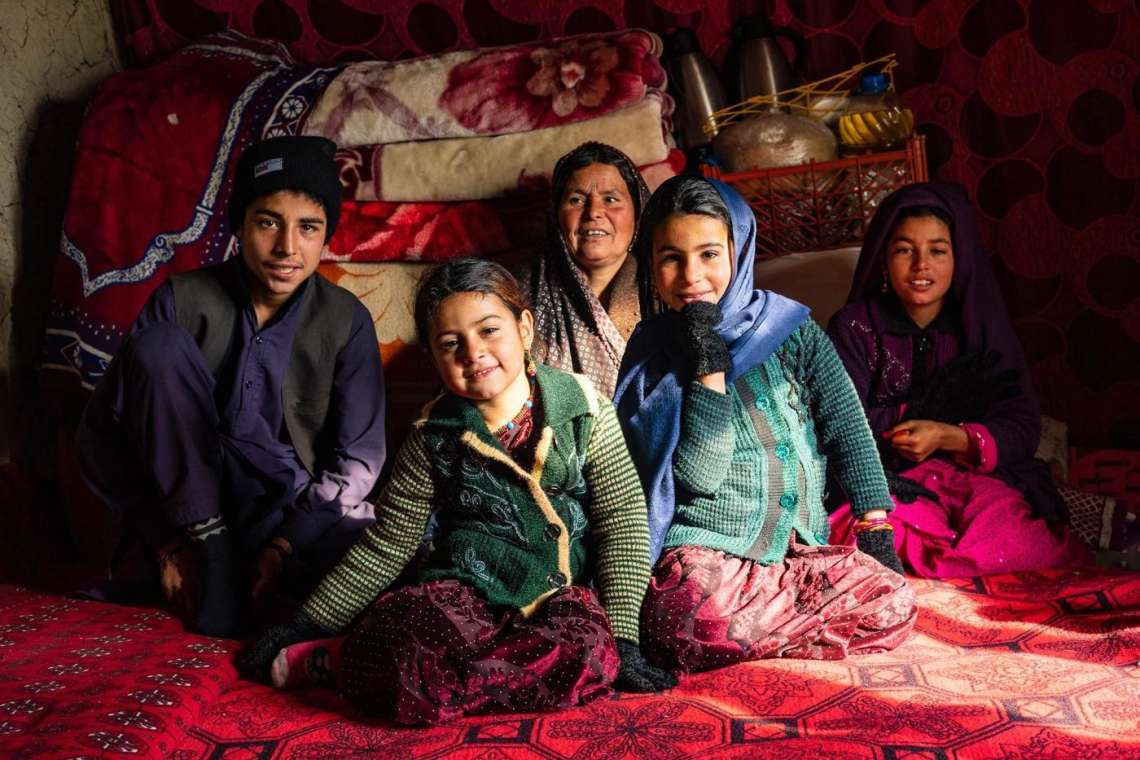
The United Nations has warned that a funding shortfall could disrupt nutrition programmes supporting 5.7 million children and mothers in Afghanistan…reports Asian Lite News Desk
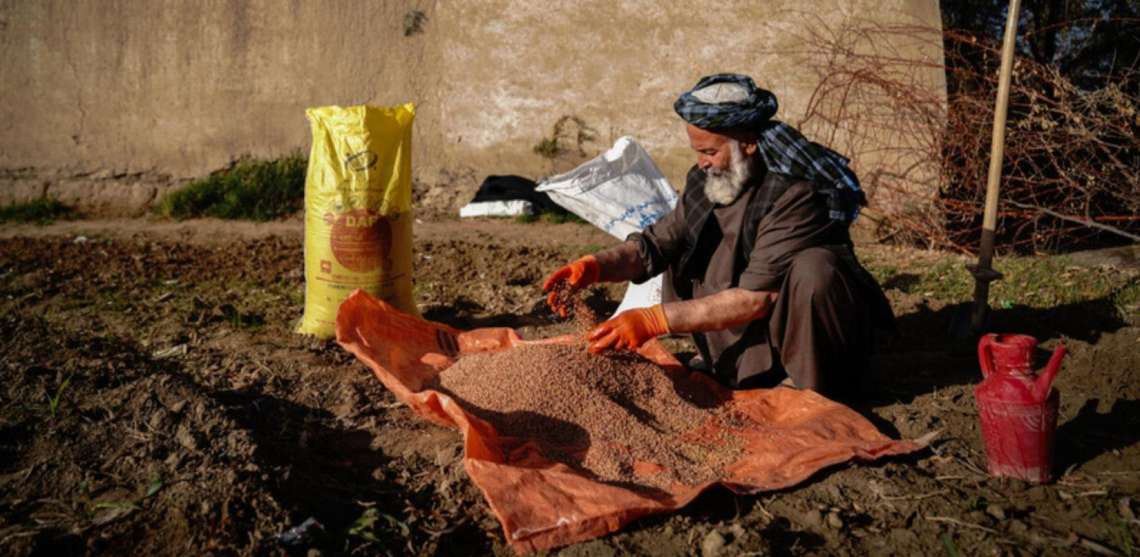
The United Nations Office for the Coordination of Humanitarian Affairs (OCHA) has warned that a funding shortfall this year is threatening nutrition programmes that provide essential support to 5.7 million children and mothers across Afghanistan, raising fears that millions could lose access to critical health services.
In a statement, OCHA said vulnerable Afghans could be left without life-saving health and nutrition assistance unless humanitarian organisations receive urgent funding.
The agency said financial constraints have already reduced the capacity of aid organisations to respond to growing needs, particularly among children and mothers facing a heightened risk of malnutrition.
The warning comes as Afghanistan continues to grapple with one of the world’s worst humanitarian crises, driven by widespread poverty, food insecurity, weakened public services and limited access to healthcare.
Years of conflict, economic disruption and restrictions on humanitarian and development activities have left millions of Afghans dependent on international assistance for survival.
According to Khaama Press, OCHA warned that continued funding shortages could force humanitarian agencies to scale back nutrition programmes at a time when demand for assistance remains exceptionally high.
The situation is particularly critical in remote and underserved parts of Afghanistan, where healthcare facilities and humanitarian services remain limited. Aid agencies fear that reductions in nutrition support could increase preventable illnesses and deaths among children and mothers.
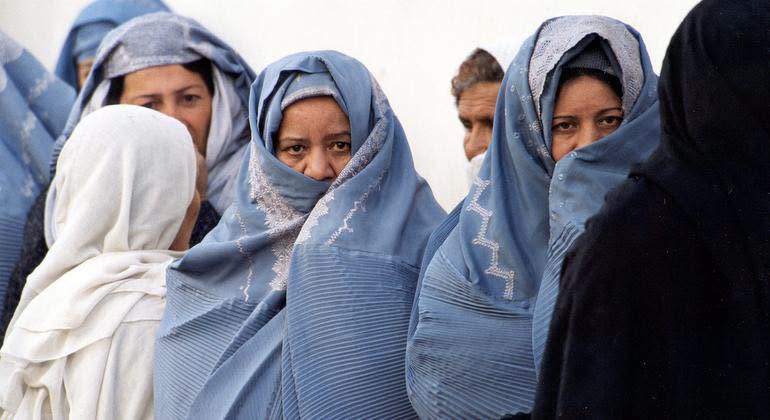
The latest warning follows another OCHA assessment released on July 14, which estimated that more than 10.7 million women and girls in Afghanistan will require humanitarian assistance in 2026.
According to OCHA, restrictions on women’s movement, education and employment continue to limit access to essential services while increasing protection risks and deepening existing vulnerabilities.
The agency also highlighted Afghanistan’s high maternal mortality rate, estimating 638 maternal deaths for every 100,000 live births in 2024.
OCHA said the country’s health sector continues to face severe challenges, including funding cuts, shortages of female health workers, limited access to essential medicines and inadequate emergency obstetric care. These factors are contributing to preventable maternal and newborn deaths, particularly in rural communities.
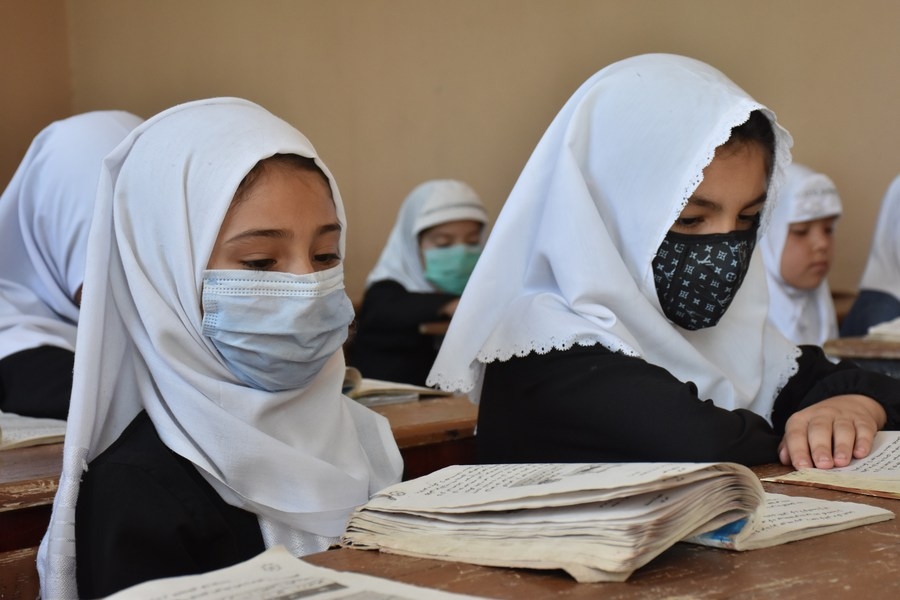
The UN agency further warned that restrictions on girls’ education could have long-term consequences for Afghanistan’s healthcare system by reducing the future supply of female doctors, nurses and midwives.
According to UNICEF estimates cited by OCHA, Afghanistan could lose more than 25,000 female teachers and health workers by 2030 if the current restrictions remain in place.