The human rights organisation described the repatriation plan as unlawful, citing its violation of the principle of non-refoulement — a cornerstone of international refugee law…reports Asian Lite News
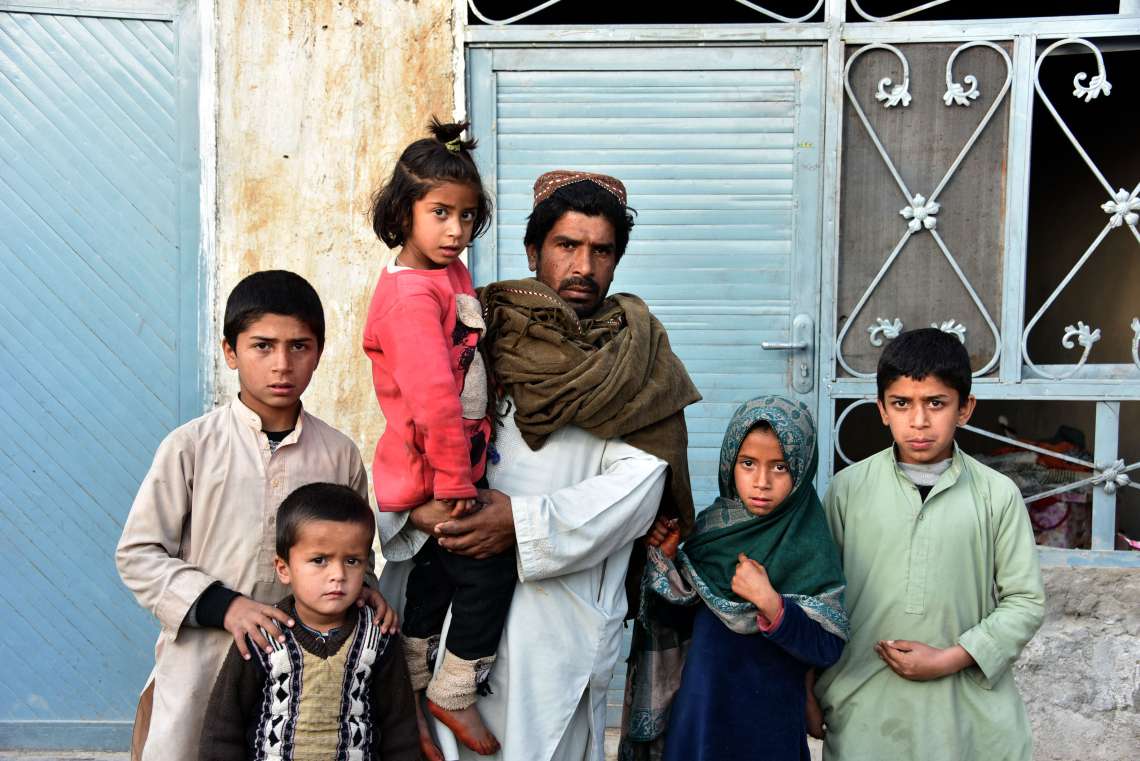
Amnesty International has called on Pakistan to immediately stop the deportation of Afghan refugees, warning that the government’s “Illegal Foreigners Repatriation Plan”, now in its final phase, violates international law and fundamental human rights obligations, according to a report by Dawn.
In an open letter addressed to Prime Minister Shehbaz Sharif, Amnesty International Secretary General Agnes Callamard acknowledged Pakistan’s long history of hosting Afghan refugees, noting that the country has provided shelter to millions for more than four decades. However, she said the situation changed dramatically following the announcement of the repatriation plan in September 2023, which marked a sharp shift in Pakistan’s approach to Afghan nationals living in the country.
The human rights organisation described the repatriation plan as unlawful, citing its violation of the principle of non-refoulement — a cornerstone of international refugee law that prohibits the return of individuals to countries where they may face persecution, torture or other serious human rights abuses.
“Amnesty International has observed a complete absence of transparency, due process, and accountability regarding the unlawful arrests, detentions, and deportations of Afghan nationals in Pakistan since then,” Callamard wrote in the letter, as quoted by Dawn. The organisation said the lack of legal safeguards has left thousands of refugees vulnerable to arbitrary action and abuse.
Amnesty also urged Pakistan to establish clear, accessible and well-supported pathways for the registration of refugees. It called for proactive steps to accelerate the registration process, particularly for individuals at heightened risk. These include women and girls, journalists, members of ethnic and religious minority communities, and people facing challenges related to gender, disability or language barriers.
According to the organisation, ensuring proper registration and legal protection is essential to prevent forced returns and to uphold Pakistan’s international commitments. Amnesty stressed that any refugee policy must be grounded in human rights principles and implemented with fairness, transparency and accountability.
The appeal on deportations comes amid broader concerns raised by Amnesty over recent legal and constitutional developments in Pakistan. Earlier this week, the organisation expressed serious alarm over the country’s Twenty-Seventh Constitutional Amendment, describing it as a “grave threat” to judicial independence and the rule of law.
In a separate statement, Amnesty said the amendment undermines the autonomy of the judiciary by establishing a Federal Constitutional Court without sufficient safeguards to protect its independence. The organisation warned that the new structure weakens judges’ job security and shields the president and senior military leadership from judicial scrutiny, raising concerns about checks and balances within the state.
Amnesty further criticised the manner in which the amendment was passed, saying it was rushed through parliament without meaningful consultation with civil society groups or opposition parties. “Despite having significant implications, the amendment was forced through parliament,” the organisation said, adding that the speed and secrecy of the process reflected a troubling pattern of sidelining democratic norms.
Taken together, Amnesty argued, the deportation policy and the constitutional amendment signal a broader erosion of human rights protections and democratic institutions in Pakistan. The organisation urged the government to reverse course, halt forced returns, and ensure that all laws and policies comply with international human rights standards.