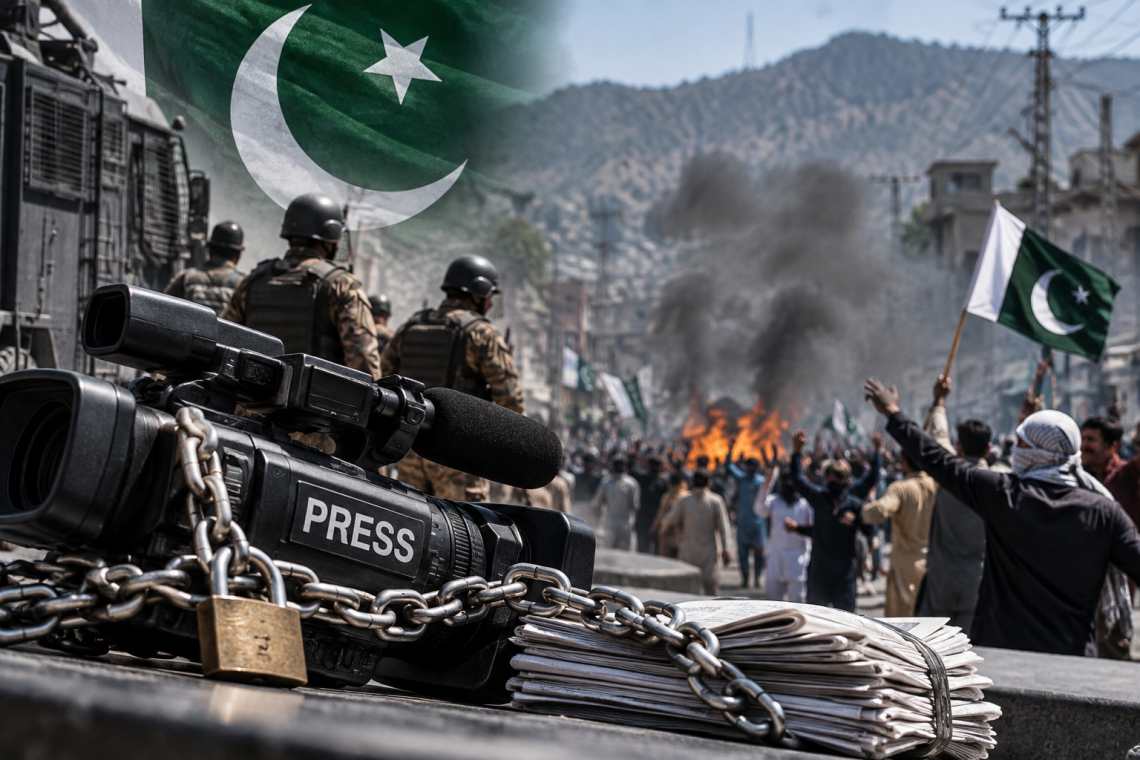
Balochistan reportedly witnessed a subdued Independence Day, with businesses closed and security tightened across several areas….reports Asian Lite News Desk
Most shops in major commercial areas and markets across Balochistan, including Quetta, remained closed on August 14, with local media reporting reduced commercial activity and limited public movement across the region.
The Balochistan Post reported that similar conditions were observed in several districts and towns, where residents in some areas reportedly remained indoors. Security was heightened around Pakistani forces’ camps, government offices and other sensitive installations, with additional personnel deployed at several locations and movement around key sites closely monitored.
According to the report, government institutions and Pakistani forces conducted only limited Independence Day ceremonies at selected locations in Quetta.
The subdued atmosphere was accompanied by reports of several security-related incidents in different parts of Balochistan.
The Balochistan Post, citing local sources, reported that multiple rockets and grenades were fired at an August 14 ceremony in Quetta’s Zarghoon Colony, resulting in approximately eight explosions.
The ceremony was reportedly attended by a large number of personnel from the Counter-Terrorism Department (CTD) and Frontier Corps (FC), according to the publication.
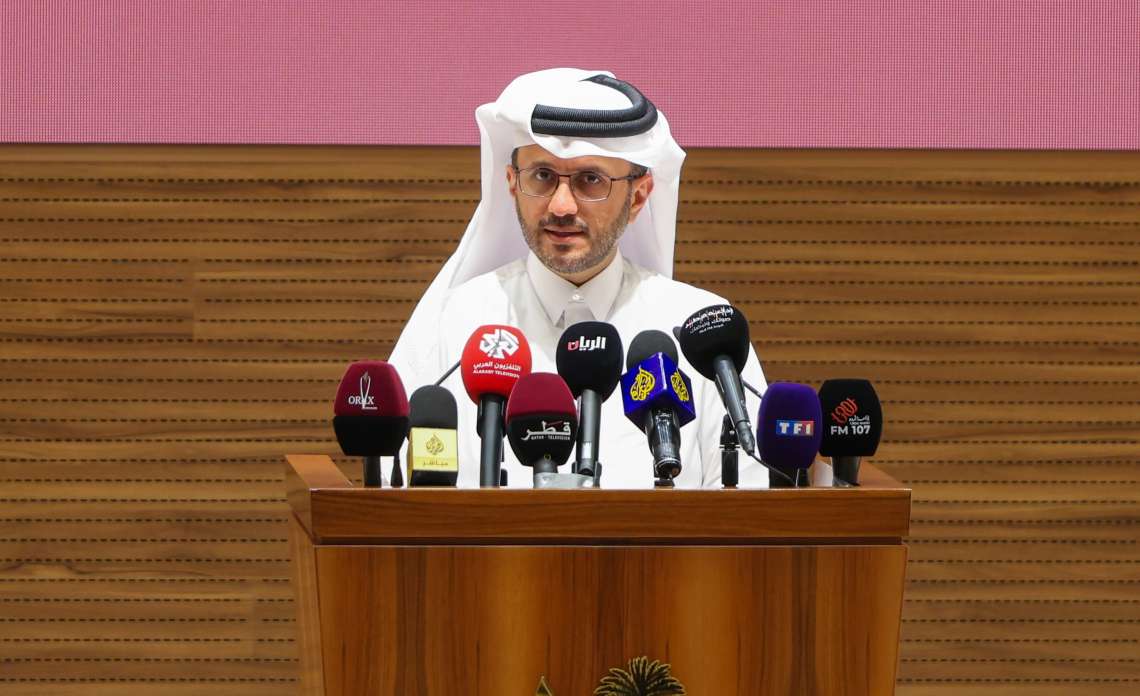
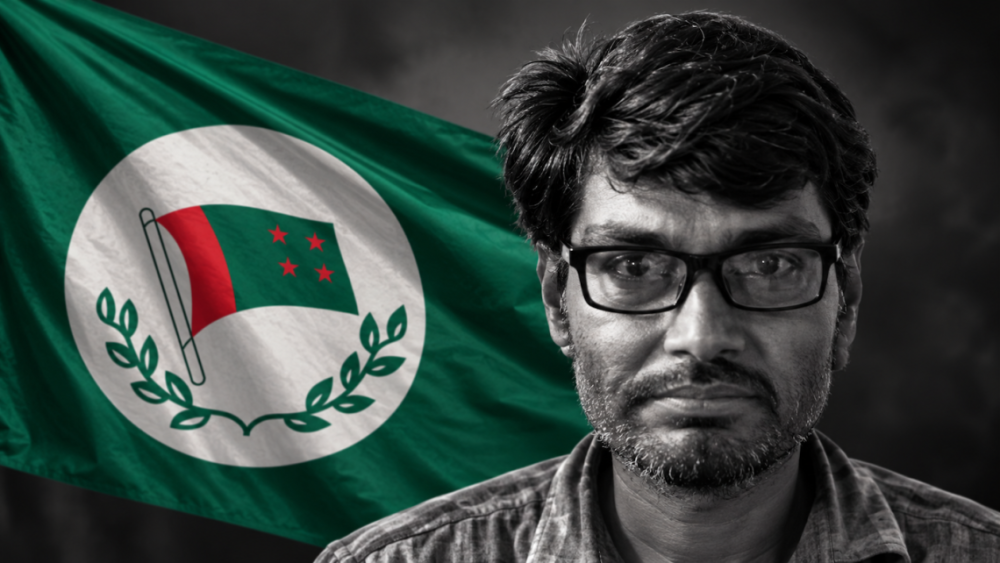
The reports came as the Baloch National Movement (BNM) criticised the creation of Pakistan and used Independence Day to reiterate its opposition to Islamabad’s control over Balochistan.
BNM chairman Naseem Baloch issued a statement in which he argued that the regions that now constitute Pakistan did not witness a major political movement supporting the country’s creation.
He attributed the formation of Pakistan to a combination of British colonial policy, religious representation politics and political compromises, while claiming that the Baloch people bore the highest cost of Partition.
Baloch also said Balochistan became independent on August 11, 1947, following historical agreements between Britain and Balochistan and a prolonged period of political struggle.
According to his account, Baloch leadership subsequently sought relations with neighbouring states on the basis of equality and mutual agreements.
He said that this situation ended when Pakistan occupied Balochistan on March 27, 1948.
The Balochistan Post reported his remarks as part of the BNM’s broader criticism of Pakistan’s Independence Day celebrations and its historical claims regarding Balochistan.
Balochistan has for decades witnessed separatist militancy and political unrest, with Pakistan maintaining a significant security presence in the province. Islamabad rejects separatist claims and has repeatedly described armed groups operating in the region as militants.
The province, which is strategically important because of its location and natural resources, has remained a major focus of Pakistan’s security and political policies.
The reported closure of businesses and limited public activity on August 14 came against this backdrop of longstanding political tensions and security concerns.
The reports of attacks around an Independence Day ceremony could not be independently verified from the information available.