She also outlined the country’s ambitions for economic growth, women-led development, national security, justice, environmental protection and foreign policy as India works towards its 2047 goals…reports Asian Lite News Desk
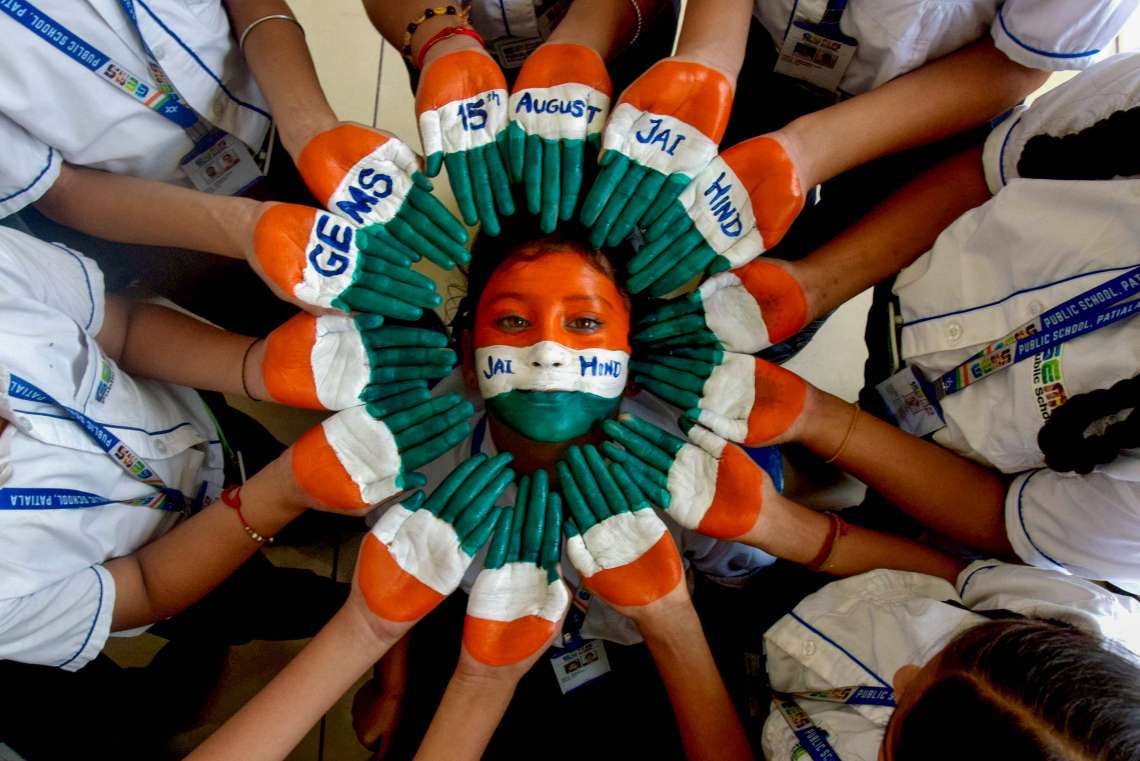
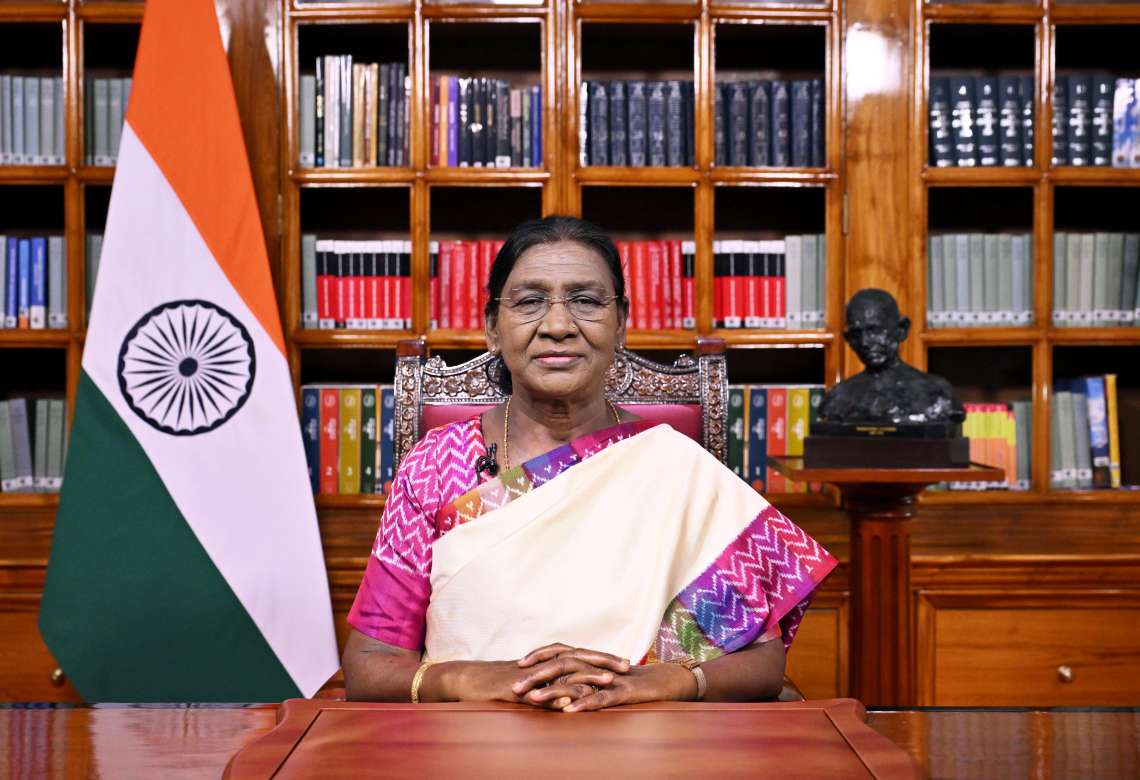
President Droupadi Murmu placed reform of public examinations at the centre of her address to the nation on Friday, on the eve of India’s 80th Independence Day, saying the integrity of the system was vital to students’ futures and their access to opportunity.
Murmu said the government was taking comprehensive steps to curb unfair practices and make examinations more transparent, secure and trustworthy. She also called for government and society to act together to protect young people’s academic prospects.
“Public examinations become gateways to opportunities for our students. The government is undertaking comprehensive steps to reform these examinations. The objectives of these reforms are to completely curb the use of unfair means in public examinations, make the examination system more transparent, more secure, and more trustworthy for the youth,” she said.
The President presented education reform as part of a broader path towards Viksit Bharat, or a developed India, by 2047, the centenary of independence. She said development should reach every individual and argued that citizens must be able to use opportunities to pursue their aspirations.
“The true meaning of freedom lies in ensuring that all citizens are able to utilise opportunities to fulfil their aspirations, and work towards the goal of making India the foremost nation in the world,” she said.
Reviewing the economy, Murmu said India remained the world’s fastest-growing major economy despite international instability. She cited the strengthening of the country’s economic foundations over the past 11 years, along with digital transformation and modern infrastructure. She also praised farmers, workers, members of the armed forces, scientists and young people involved in start-ups.
Women-led development was another central theme. Murmu highlighted the role of women in self-help groups, the Lakhpati Didi programme and the MUDRA scheme. She said more than 10 crore women belonged to self-help groups and that about two-thirds of entrepreneurs receiving MUDRA assistance were women. She also referred to the Nari Shakti Vandan Adhiniyam, enacted in 2023 to reserve 33 per cent representation for women in the Lok Sabha and state legislative assemblies.
The address also covered girls’ progress in education and women’s participation in fields ranging from agriculture to the Air Force. Murmu said the earlier target of creating three crore Lakhpati Didis had been achieved and that the country was now pursuing a further target of three crore.
On foreign policy, the President said national interest remained its foundation. “Peace, cooperation, dialogue, and the ideal of Vasudhaiva Kutumbakam are the pillars of our foreign policy,” she said. She pointed to free trade agreements, India’s role among countries of the Global South and its participation in international groupings. She also backed a rules-based international order and broader representation in the United Nations and other multilateral organisations.
National security formed another part of the speech. Murmu said a military operation against terrorism had demonstrated the armed forces’ ability to act with precision. She described the suspension of the Indus Waters Treaty as a decisive national measure and said making India free of Naxalism was a major achievement, with development advancing in formerly affected regions.
Murmu also addressed environmental protection, cultural heritage and access to justice. She linked environmental responsibility to the LiFE mission, highlighted UNESCO recognition for forts associated with the Maratha military tradition and Sarnath, and said a lack of resources should not prevent anyone from obtaining timely and dignified justice.
The President closed her wider message by stressing public participation, equality of opportunity and the ability of people from ordinary backgrounds to make exceptional contributions. She also praised young athletes and said cultural confidence, inclusive development and collective effort would be important to India’s ambitions for 2047.