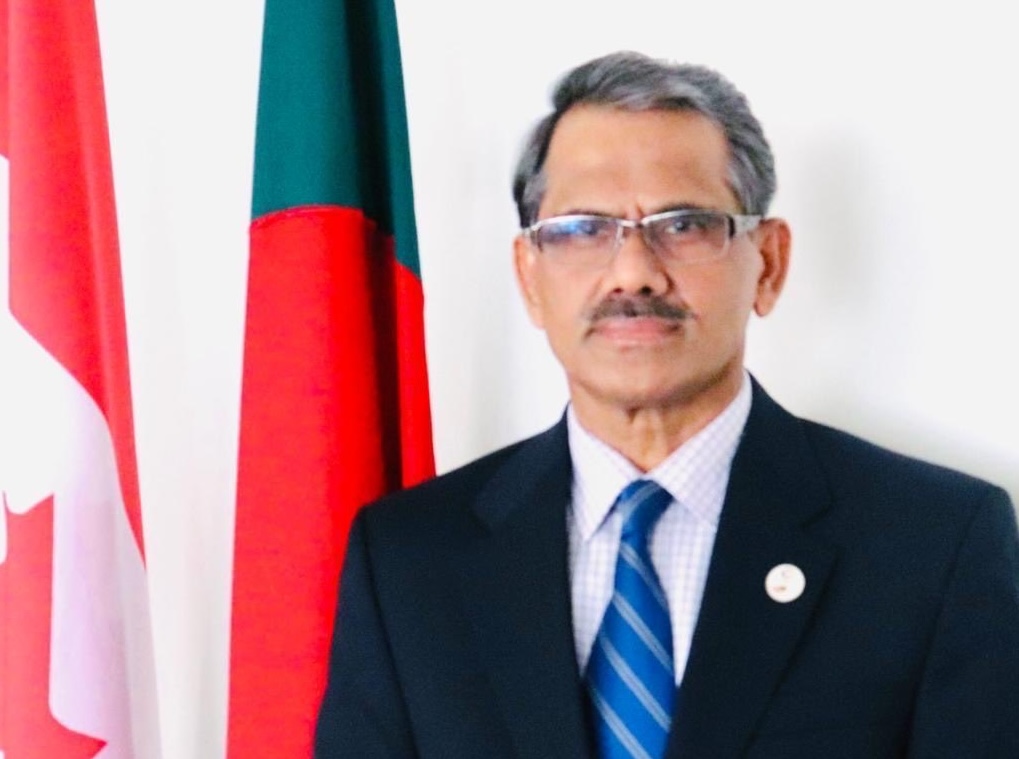
During the visit, Rahman will hold detailed discussions with External Affairs Minister S. Jaishankar….reports Asian Lite News
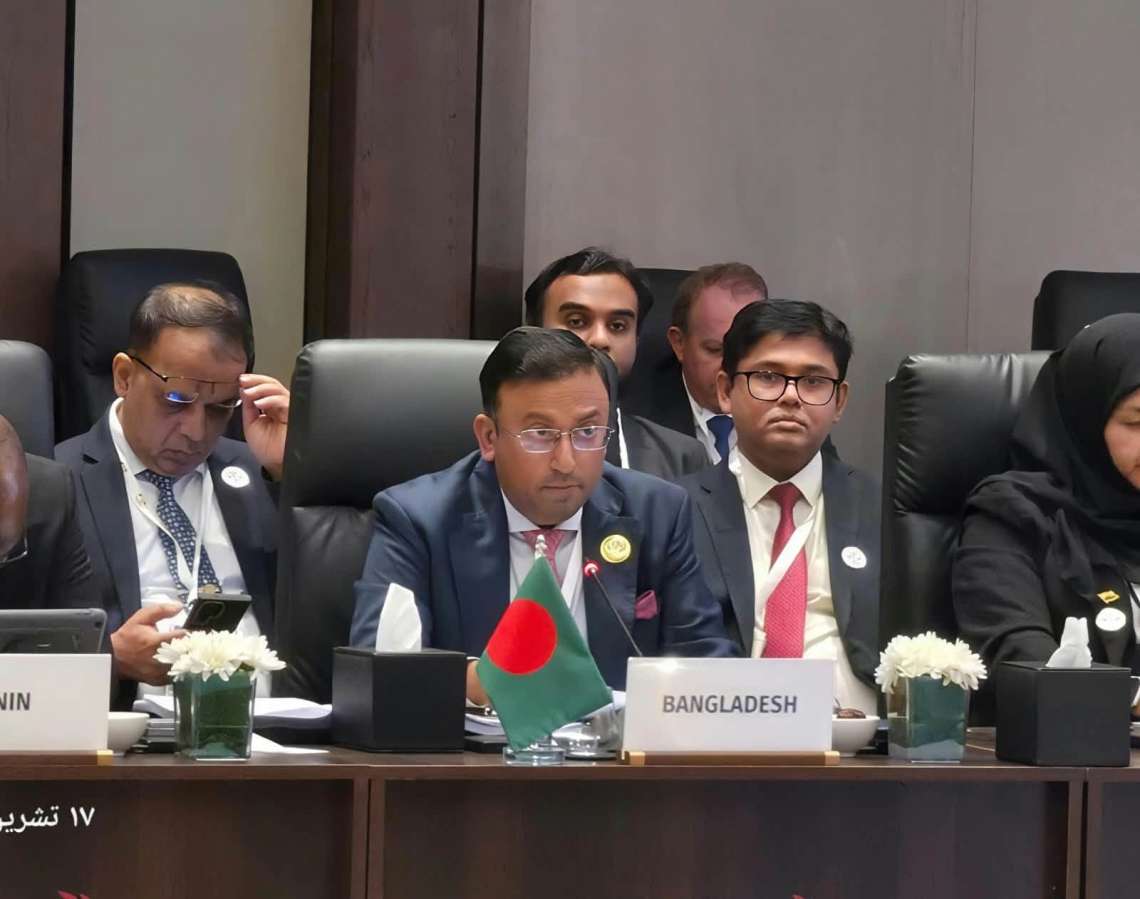
Bangladesh Foreign Minister Khalilur Rahman is set to arrive in New Delhi on Tuesday for a three day official visit aimed at strengthening ties between India and Bangladesh.
During the visit, Rahman will hold detailed discussions with External Affairs Minister S. Jaishankar.
In addition, he is expected to call on National Security Advisor (NSA) Ajit Doval and Union Minister for Petroleum and Natural Gas Hardeep Singh Puri as part of his high-level engagements in the capital.
The trip assumes significance as it is the first visit by a Bangladeshi Minister to India since the BNP-led government assumed office in February, indicating a shift in the recalibration of India and Bangladesh ties, which had strained during the eighteen-month tenure of the former Muhammad Yunus-led interim government amid escalating attacks on Hindu minorities and anti-India rhetoric.
Key issues likely to dominate the discussions include the resumption of visa services for Bangladeshi citizens, enhancing energy cooperation, strengthening border management mechanisms, resolving pending matters related to river water-sharing, and boosting trade facilitation measures.
Rahman will be accompanied by Humayun Kabir, Foreign Affairs Advisor to Bangladesh Prime Minister Tarique Rahman, reflecting the importance Dhaka is placing on the visit.
According to reports in Bangladeshi media, Dhaka is expected to press for a more positive and proactive approach from India towards the complete restoration of visa services. The Bangladeshi side is also likely to highlight the economic and social benefits linked to medical tourism, which has been impacted by the current restrictions.
Tourist visas for Bangladeshi nationals have remained suspended since July 2024, citing security concerns. Additionally, visa processing centres in Bangladesh have been operating with limited staff following incidents of violence and vandalism reported outside Indian facilities, sources were quoted as saying by leading Bangladeshi daily The Dhaka Tribune.
In a related development, earlier on Monday, Indian High Commissioner to Bangladesh Pranay Verma called on Prime Minister Tarique Rahman, where both sides discussed ways to enhance bilateral engagement and cooperation across key sectors.
During the meeting, Verma expressed India’s willingness to deepen ties through a “positive, constructive and forward-looking approach” built on shared interest and mutual benefit.
Meanwhile, diplomatic interactions between the two countries have also extended to defence cooperation.
Last week, Bangladesh’s High Commissioner to India, M. Riaz Hamidullah, held a meeting with Indian Army Chief General Upendra Dwivedi in New Delhi and discussed enhancing defence cooperation, including joint training initiatives.
They discussed opportunities for deeper collaboration to promote regional peace and security.