Health officials continue to report more than 1,000 suspected infections daily despite a nationwide vaccination campaign…reports Asian Lite News Desk
Bangladesh’s worsening measles outbreak claimed six more children’s lives on Tuesday, taking the total number of confirmed and suspected deaths to 594 since mid March, as authorities struggle to contain one of the country’s most severe public health crises in recent years.
The latest fatalities were reported during the 24 hours leading up to Tuesday morning, according to data released by the Directorate General of Health Services (DGHS).
All six deaths were classified as suspected measles related fatalities, local media reported.
The outbreak has continued to spread rapidly across the country, with health officials recording 1,292 new suspected cases over the same period. That pushed the total number of suspected infections to 73,362.
Authorities also reported 42 additional confirmed cases, bringing the overall number of laboratory confirmed infections to 9,136.
According to DGHS data, confirmed measles deaths remain at 90, while suspected fatalities have risen to 504, taking the combined death toll to 594.
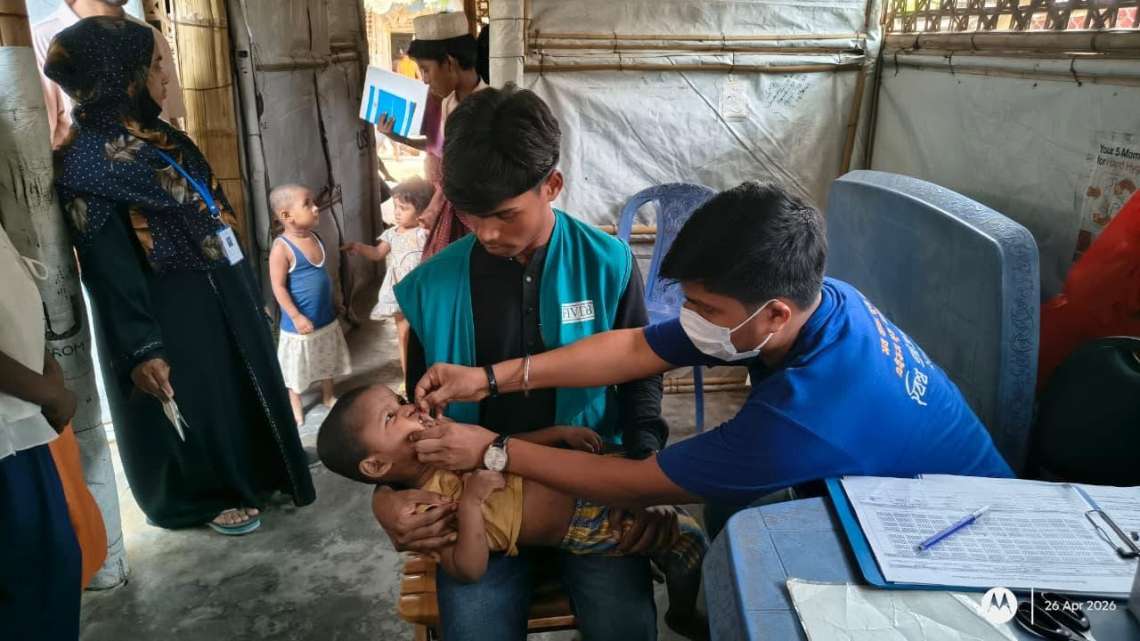
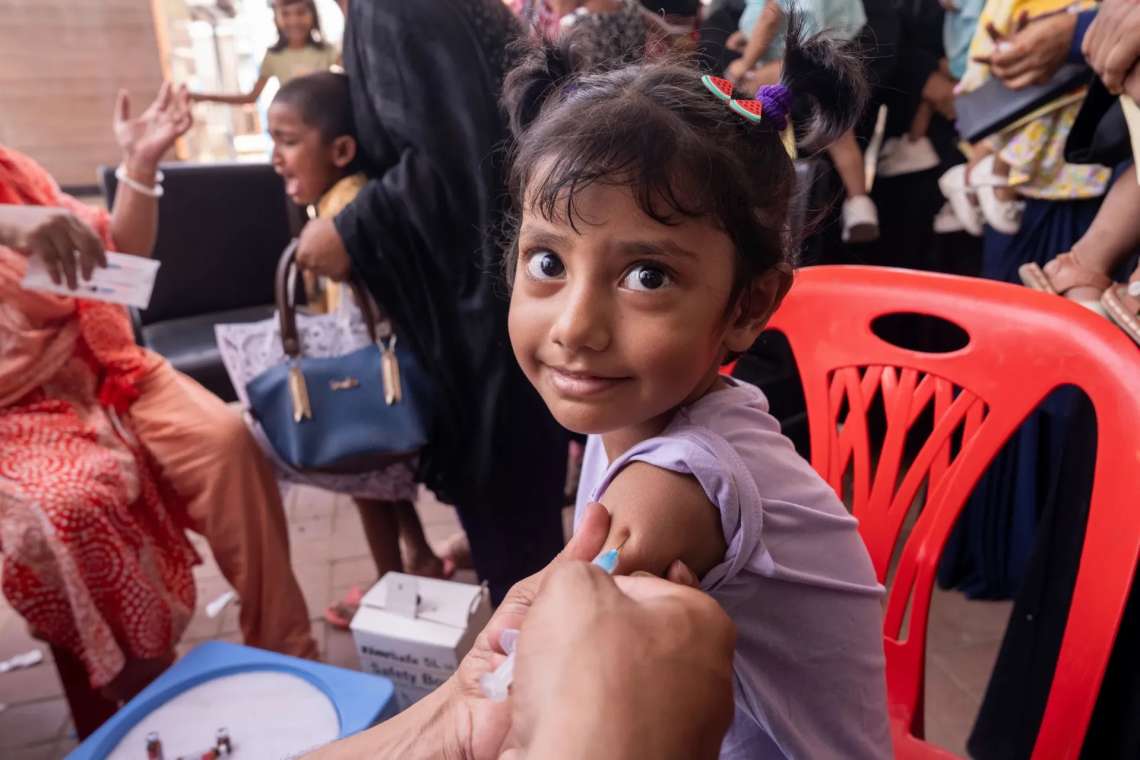
The figures underscore the growing scale of the health emergency, which has intensified despite efforts to boost immunisation coverage through a special measles rubella vaccination campaign.
The preliminary phase of the one and a half month nationwide vaccination drive concluded on May 20, but infections and fatalities have continued to climb.
Health authorities recorded 309 measles related deaths in May alone, highlighting the severity of the outbreak.
Bangladesh’s leading newspaper, The Daily Star, reported that daily suspected infections exceeded 1,000 throughout most of May, with only a handful of exceptions.
The worsening situation has also renewed scrutiny of vaccine availability and preparedness measures taken by previous authorities.
Last month, the United Nations Children’s Fund (UNICEF) revealed that it had repeatedly warned Bangladesh’s former interim government about vaccine shortages that could trigger a major outbreak.
Speaking at a press briefing in Dhaka, UNICEF Representative Rana Flowers said the organisation had sent multiple letters to health authorities and raised concerns during numerous meetings with government officials.
According to Flowers, UNICEF repeatedly warned from 2024 onwards that insufficient vaccine supplies could lead to a serious public health emergency if corrective action was not taken.
She said the agency sent several written communications and held around 10 meetings with officials to highlight the risks and urge timely procurement of vaccines.
Flowers also revealed that senior UNICEF officials raised the issue directly with Bangladeshi authorities during high level meetings last year.
The agency has pledged to cooperate with an investigation launched by the current Bangladesh Nationalist Party led government into the causes of the outbreak and the reported vaccine shortages.
Public health experts have warned that improving vaccination coverage will be critical to slowing transmission and preventing further deaths, particularly among children, who remain the most vulnerable to severe complications from measles.
With cases continuing to rise and hospitals facing mounting pressure, health authorities are racing to contain the outbreak before it spreads further across the country.