Brazil launches major trade drive in India as Lula visits New Delhi, targets 20 billion dollar bilateral commerce by 2026 with focus on energy, agribusiness and AI…reports Asian Lite News
Brazil has stepped up its trade and investment outreach to India, setting an ambitious target of lifting bilateral commerce to 20 billion US dollars by 2026, as President Luiz Inácio Lula da Silva began a state visit aimed at deepening ties between two of the world’s largest emerging economies.
Trade between India and Brazil reached 15.2 billion dollars in 2025, marking a 25 per cent rise from the previous year. With momentum building, both governments now want to push that figure significantly higher within the next year, while broadening the range of goods and services exchanged.
Lula arrived in New Delhi with a high-powered delegation of Brazilian business leaders and officials, signalling a coordinated push to strengthen commercial engagement. Shortly after landing, he greeted the country with a “Namaste, India!” message and outlined an agenda focused on strengthening partnerships and shaping cooperation in emerging sectors, including artificial intelligence.
A centrepiece of the visit was the India-Brazil Business Forum 2026, where policymakers and industry representatives explored new opportunities in trade, energy, agribusiness, manufacturing and technology. Brazil also inaugurated the first overseas office in India of ApexBrasil, its trade and investment promotion agency, establishing a permanent base in the capital to expand exports and deepen its commercial footprint in one of the world’s fastest-growing markets.
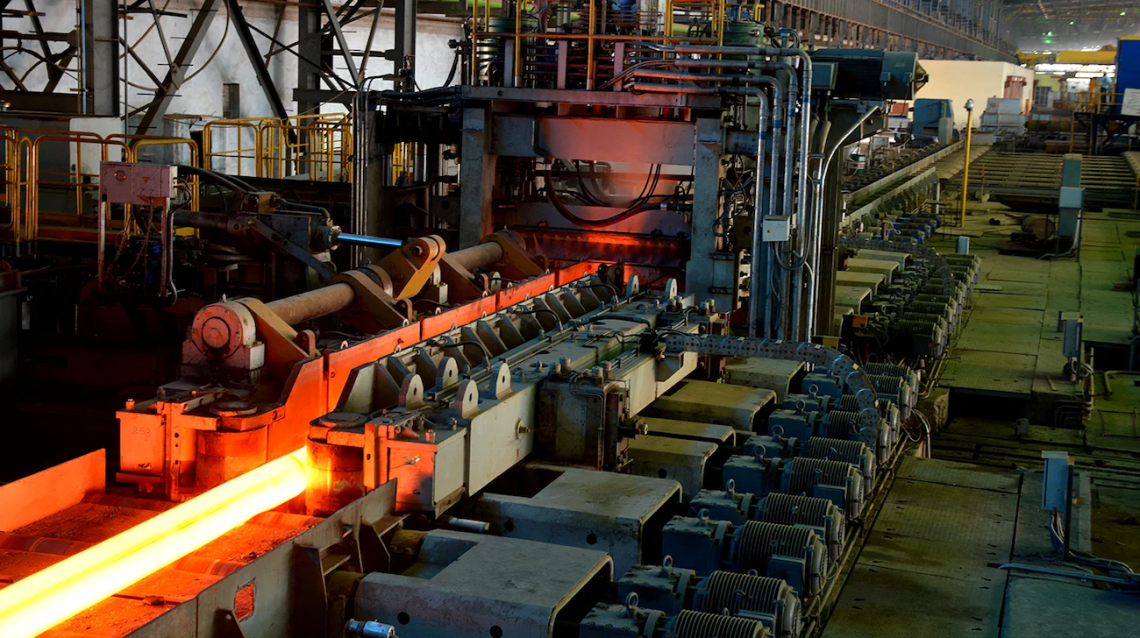
Brazilian exports to India climbed to 6.9 billion dollars in 2025, their highest level in two decades. Key shipments included sugar, crude oil, vegetable oils, cotton and iron ore, reflecting India’s rising demand for energy, food inputs and raw materials to fuel industrial growth and infrastructure expansion.
ApexBrasil has identified 378 new export opportunities across sectors ranging from minerals and machinery to food processing, health technologies and renewable energy. Agricultural products such as ethanol derivatives and cotton, alongside industrial equipment for agribusiness and power generation, have been highlighted as priority areas for expansion.
At the same time, India continues to supply Brazil with higher value-added goods. Indian exports, which reached 8.4 billion dollars in 2025, include pharmaceuticals, chemicals and automotive components, reinforcing supply chains between the two economies.
Beyond trade flows, investment ties are also strengthening. Indian foreign direct investment in Brazil has reached 2.1 billion dollars, with new industrial collaborations emerging in manufacturing, energy and services. Both sides see scope to leverage complementarities: Brazil’s resource base and agribusiness strength paired with India’s manufacturing capacity, digital expertise and pharmaceutical sector.
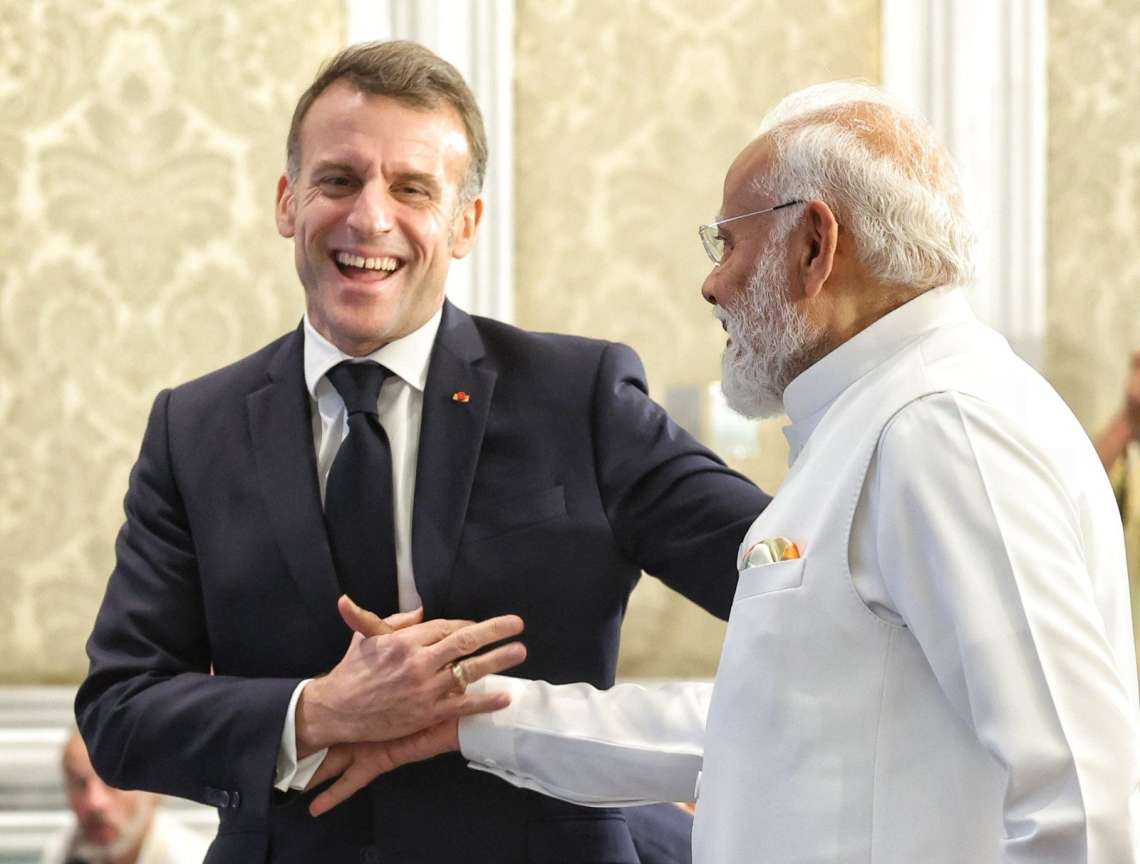
During the visit, Lula is scheduled to hold bilateral talks with Narendra Modi to review the full spectrum of relations. The Ministry of External Affairs described the relationship as a strategic partnership rooted in shared democratic values, a common global outlook and a commitment to inclusive growth.
Artificial intelligence has also featured prominently on the agenda. Lula is attending the India AI Impact Summit, underlining Brazil’s interest in shaping global discussions on responsible AI development and digital governance alongside India. Cooperation in technology and innovation is increasingly seen as a pillar of South-South collaboration, particularly as emerging economies seek a greater voice in setting global norms.
The partnership is underpinned by multiple multilateral frameworks, including the Mercosur-India Preferential Trade Agreement and cooperation within BRICS, the G20, BASIC and IBAS. These platforms provide additional avenues to coordinate positions on trade reform, climate action and development finance.
For Brazil, India represents a vast consumer market with sustained economic growth and expanding infrastructure investment. For India, Brazil offers access to agricultural commodities, energy resources and a strategic gateway to South America.
As global supply chains adjust and emerging markets assert greater influence in international economic governance, both governments are positioning their partnership as a model of Global South cooperation. The 20 billion dollar trade target by 2026 is ambitious, but officials on both sides believe that expanding the product basket, boosting investment and leveraging technology partnerships could make it achievable.