Experts say budget bias and patriarchy continue to hinder indigenous women’s political leadership in Bangladesh….reports Asian Lite News Desk
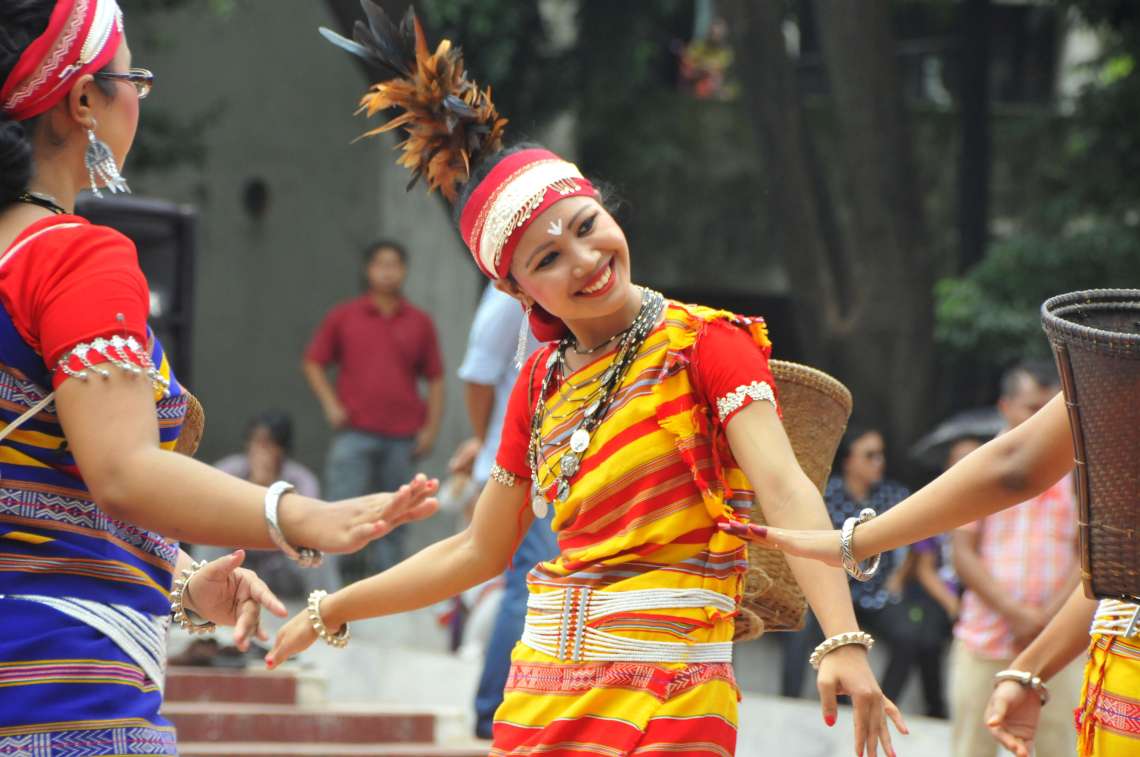
Structural budget discrimination, political marginalisation and entrenched patriarchal attitudes continue to prevent Bangladesh’s plainland indigenous women from exercising meaningful leadership in local government, despite a rise in their representation, experts said at a roundtable discussion in Dhaka.
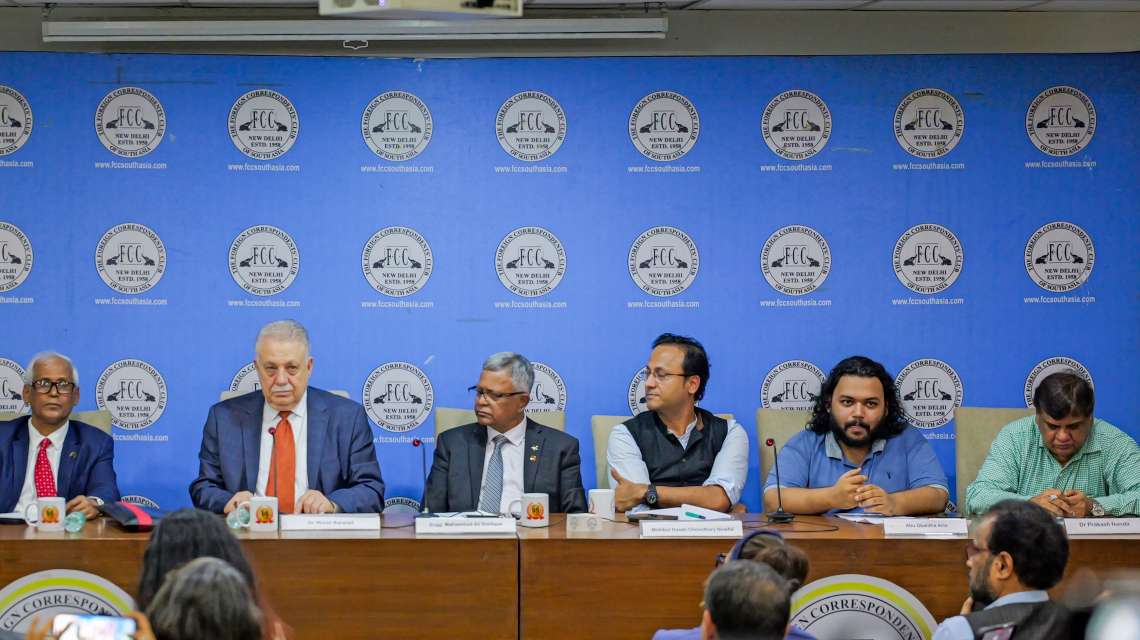
The conference, titled ‘Meaningful Participation and Political Leadership of Plainland Indigenous Women in Local Governance’, was jointly organised by the International Foundation for Electoral Systems (IFES) Bangladesh and the People’s Union of the Marginalised Development Organisation (PUMDO), with support from the Embassy of Sweden.
Participants called on the government to provide women elected to reserved seats with equitable funding and allowances for the three wards they represent, ensure their effective participation in standing committees and Gram Adalats, and strengthen protections for their land rights, The Daily Star reported.
Speakers also urged authorities to invest in structured administrative capacity-building for women leaders at the grassroots level. Indigenous communities were encouraged to address internal divisions, social stigma and substance abuse while demanding greater accountability from public institutions.
Delivering the welcome address, IFES Bangladesh Deputy Country Director Rumana Amin Archi said an inclusive democracy could only be achieved by addressing the unique socio-political and structural challenges faced by marginalised communities. She stressed the need to bring the experiences and leadership potential of plainland indigenous women into mainstream governance.
Researcher and activist Pavel Partha highlighted the absence of disaggregated data on indigenous communities in national statistics, noting that Bangladesh’s voter registration forms do not record ethnic identity. As a result, he said, the exact number of indigenous voters and elected women representatives remains unknown.
Partha also said that although Gram Adalats deal with land disputes, domestic conflicts and violence against women at the union parishad level, indigenous women’s participation in village courts and the 13 standing committees remains largely symbolic, limiting their influence over decision-making.
PUMDO Chief Executive Officer Haimanti Sarkar said indigenous women “who seek economic independence, enter politics or take on leadership roles routinely face patriarchal resistance, with character assassination often used to silence them.”
She added that women leaders frequently face social stigma, defamation, baseless allegations and hostility simply for exercising their rights and serving their communities.
Bangladeshi lawmaker Anna Minj praised grassroots women representatives for overcoming systemic challenges in public service. Rights activist Shanjida Khan Ripa said patriarchal social structures remained at the heart of women’s marginalisation, noting that women elected to reserved seats represent three wards but receive significantly smaller budget allocations than male members representing a single ward.