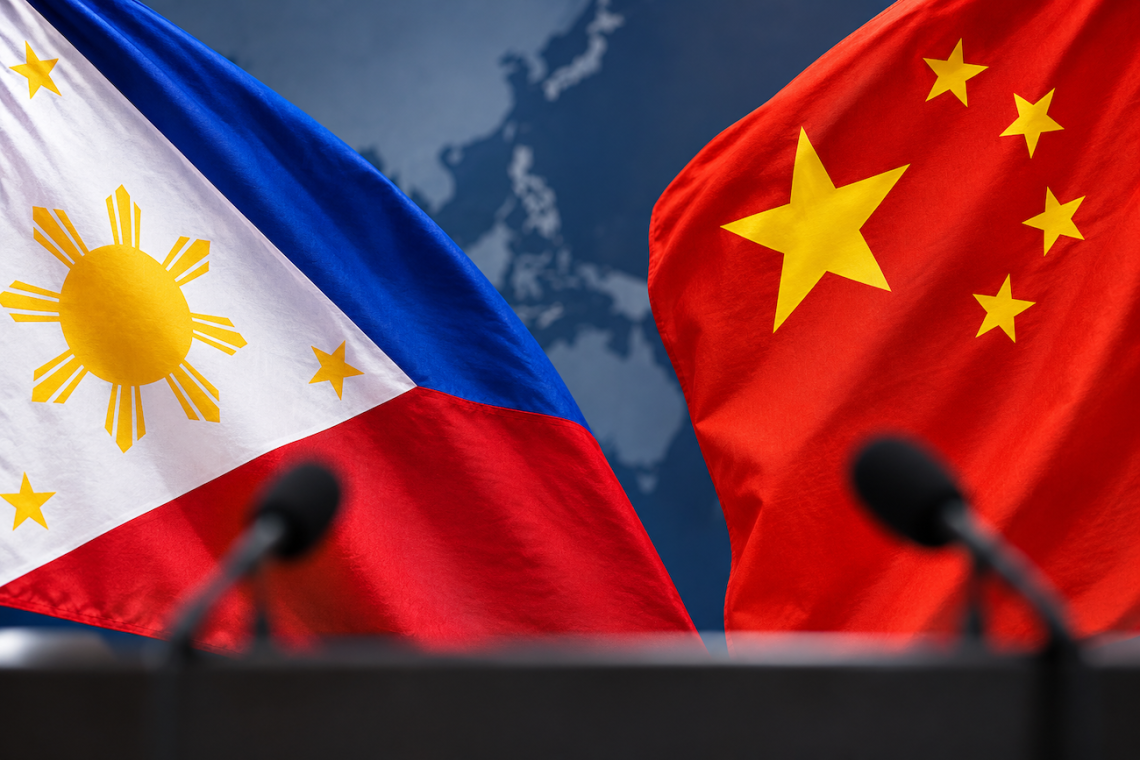
China condemns US demands on Venezuela’s oil and use of force, calling them violations of sovereignty and international law, and urges protection of lawful rights, global norms…reports Asian Lite News
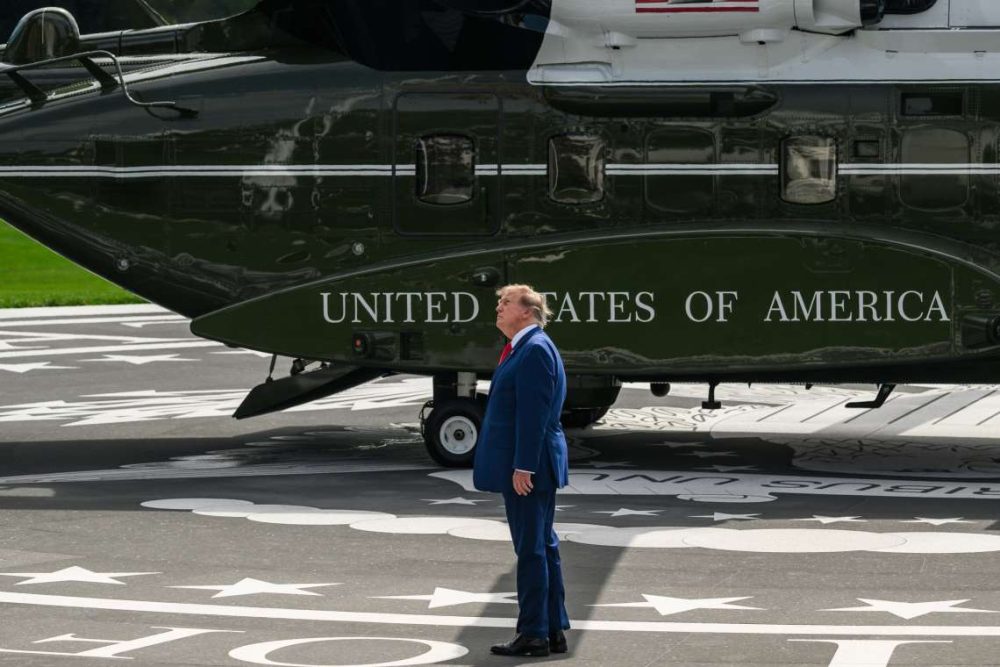
China has sharply criticised the United States over its recent actions in Venezuela, denouncing Washington’s demands regarding Caracas’s oil resources and broader use of force as “bullying” that flouts international law and infringes on Venezuela’s sovereignty, officials said on Wednesday.
At a regular press briefing in Beijing, Chinese Foreign Ministry spokesperson Mao Ning insisted that Venezuela, as a sovereign state, retains full and permanent authority over its natural resources and economic activity. She said any attempt by the United States to impose conditions on how Venezuela manages its oil wealth, including suggestions of an exclusive partnership with the US, amounts to coercion that undermines international norms.
Mao described what she called the “blatant use of force” by the US as a serious breach of international law that violates Venezuela’s sovereign rights and the rights of its people. She reiterated that cooperation between China and Venezuela is a matter between two sovereign states and is protected under international law, adding that lawful Chinese interests in Venezuela must be safeguarded.
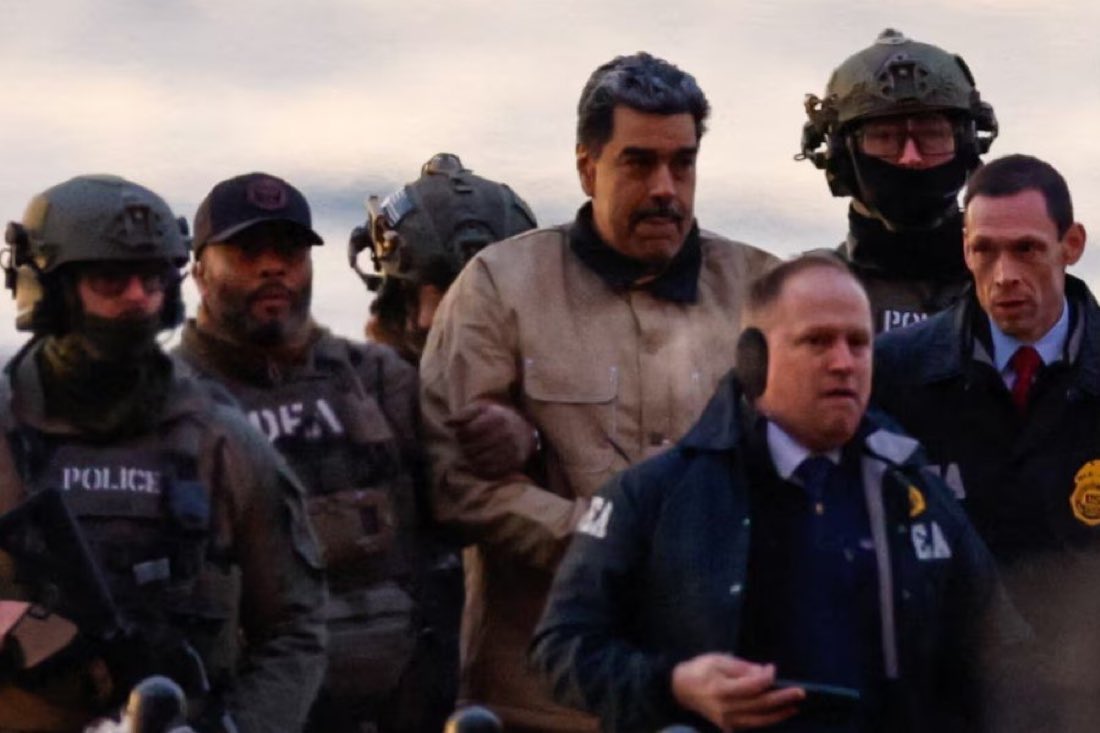
Her remarks came amid rising geopolitical tensions following a high-profile US military operation in Venezuela that resulted in the capture of deposed President Nicolás Maduro and his wife, Cilia Flores. The couple were taken to the United States to face trial on narcotics-related charges, a move that has drawn international scrutiny and firm criticism from several nations.
Chinese Foreign Ministry said that cooperation between Beijing and Caracas is a matter between two sovereign states and is protected under international law, adding that lawful Chinese interests in Venezuela must be safeguarded.
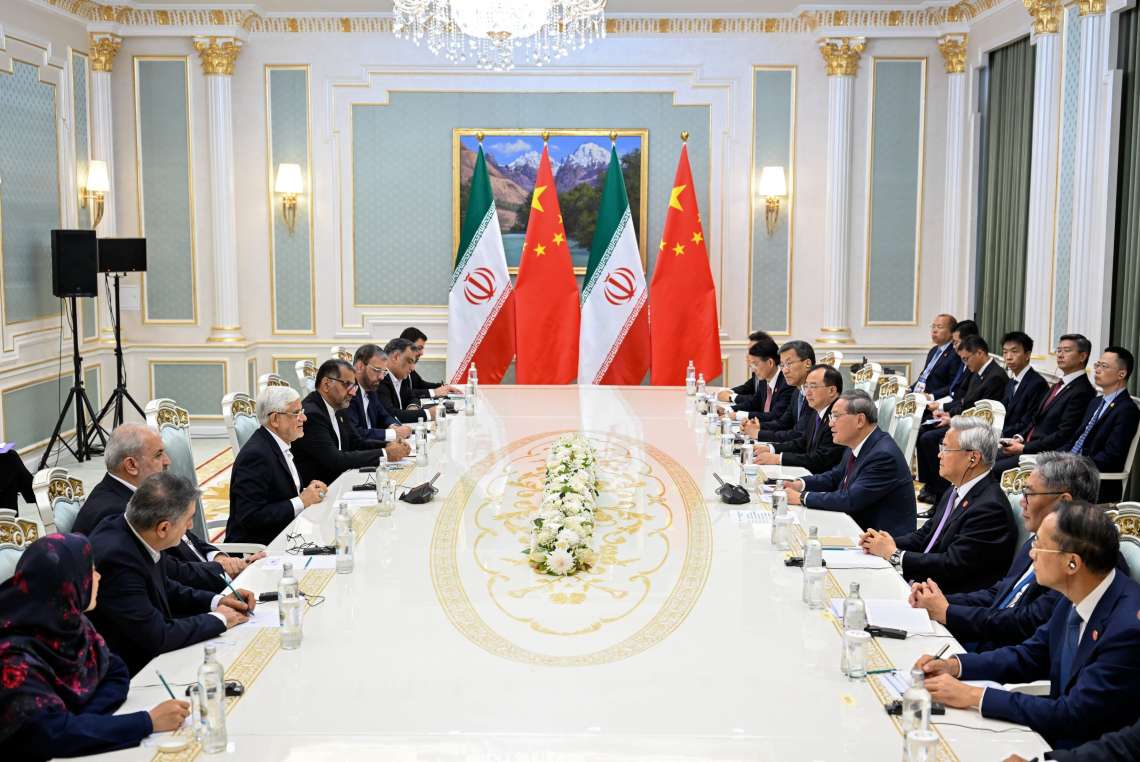
China’s criticism also touched on reports that the US has pressed Venezuela’s interim authorities to prioritise Washington in the sale of heavy crude oil, and to sever economic ties with traditional partners including China, Russia, Iran and Cuba. Such demands, Mao said, “seriously violate international law, Venezuela’s sovereignty and the rights of the Venezuelan people.”
By characterising the US approach as “typical bullying,” Beijing is aligning itself with a broader chorus of global voices expressing concern about unilateral actions and the erosion of norms governing international relations. At a recent emergency meeting of the United Nations Security Council, nations including China, Brazil and Colombia criticised US strikes on Venezuelan territory and warned against setting a dangerous precedent for the use of force.
While China has been a longstanding economic partner of Venezuela — at times its second-largest trade partner — the present dispute underscores the deepening geopolitical fault lines over the control and future of Venezuelan oil, one of the country’s most critical resources. The United States has signalled its intention to manage and sell millions of barrels of Venezuelan crude, framing the move as one that could benefit both Venezuelan citizens and American markets.
Beijing’s position emphasises the primacy of the UN Charter and respect for national sovereignty, urging the United States to resolve differences through dialogue and to refrain from coercive measures in foreign policy. China’s stance also reflects broader concerns about unilateral sanctions and military interventions that, in Beijing’s view, threaten global stability and the rights of nations to determine their own economic futures.
Although China has stopped short of offering direct material support to Venezuela’s current government, its vocal condemnation signals a desire to challenge US influence in Latin America and defend its own strategic interests. Experts say China’s response may also be aimed at reassuring other developing countries that their bilateral agreements with Beijing enjoy legal protection under international norms, even amid intense geopolitical competition.
As global diplomatic debate continues, China’s comments are likely to remain a focal point in discussions about the limits of power, the rights of sovereign states and the evolving contours of international energy politics.