The WMO says there is a near 100% chance the climate phenomenon will persist until February 2027, bringing heightened risks of floods, droughts and extreme heat….reports Asian Lite News Desk
The World Meteorological Organization (WMO) has warned that the current El Niño is expected to intensify into a very strong event, with an almost 100% chance of persisting until at least February 2027, raising concerns over worsening extreme weather worldwide.
Forecasts from WMO’s Global Producing Centres show an “exceptionally high likelihood” that El Niño conditions will continue into early 2027, marking what the organisation described as an unprecedented level of certainty in its El Niño/La Niña outlooks.
Exceptionally warm ocean temperatures across the tropical Pacific are driving the phenomenon, which is expected to strengthen further in the coming months before reaching peak intensity towards the end of 2026. Its effects on weather patterns could continue well into next year.

UN Secretary-General António Guterres warned that the intensifying climate pattern was unfolding alongside record ocean temperatures and rising global heat.
“El Niño is being supersized before our eyes,” Guterres said, warning that the world was entering “uncharted waters” as sea surface temperatures continued to rise.
He said the growing risks of extreme weather had created an urgent race between escalating climate threats and efforts to protect vulnerable communities.
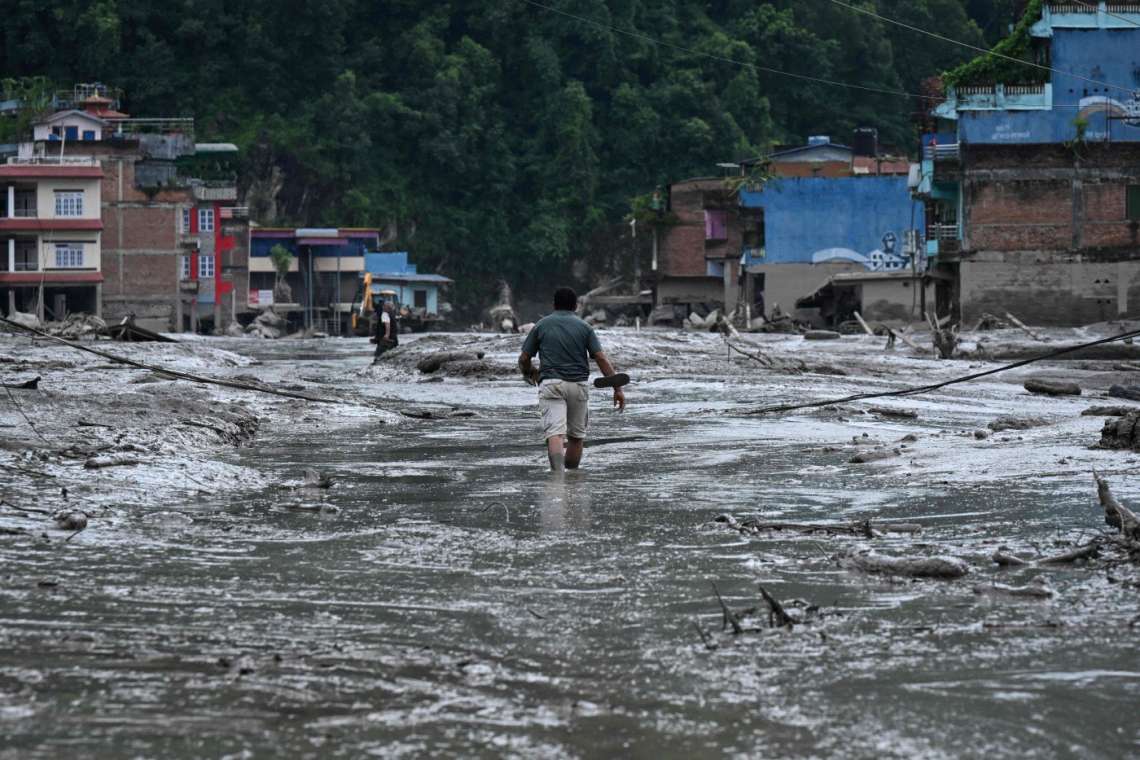
WMO Secretary-General Celeste Saulo said the strengthening El Niño could have severe consequences for communities and economies around the world, with droughts and floods already causing disruption in some regions.

“El Niño in Spanish means boy child – but it has the potential to deliver a massive blow to communities and economies across the world,” Saulo said.
She called for an exceptional global response, saying WMO had launched a major mobilisation involving national meteorological and hydrological services to improve forecasts and help protect lives and livelihoods.
The Niño 3.4 index, a key measure of sea surface temperatures in the central and eastern equatorial Pacific, has risen sharply in recent months. It averaged 1.5°C above normal between May and July 2026 and reached 2°C above normal in July.
Weekly readings between late July and mid-August climbed further, ranging between approximately 2.2°C and 2.6°C above average, signalling continued intensification.
WMO said even more exceptional warming had been recorded beneath the ocean surface, where temperatures in some areas were more than 8°C above average during July and early August.
The combination of unusually warm surface and subsurface waters, together with strong atmospheric signals and broad agreement among climate prediction models, has given forecasters high confidence that El Niño will continue into 2027.
However, WMO stressed that a very strong El Niño would not produce identical impacts everywhere.
El Niño can significantly alter global rainfall patterns, temperatures and atmospheric circulation, increasing the risk of drought, flooding and other extreme weather events. But its effects vary by region and season and can be influenced by other climate systems, including conditions in the Indian and Atlantic Oceans.

For the September-November 2026 period, WMO forecasts point to an increased likelihood of above-normal temperatures across almost all land areas. Rainfall patterns are also expected to show a pronounced response associated with the strengthening Pacific El Niño.
A positive phase of the Indian Ocean Dipole is also forecast to develop, while the equatorial Atlantic is expected to remain unusually warm. These climate drivers could either reinforce or modify El Niño’s effects in different parts of the world.
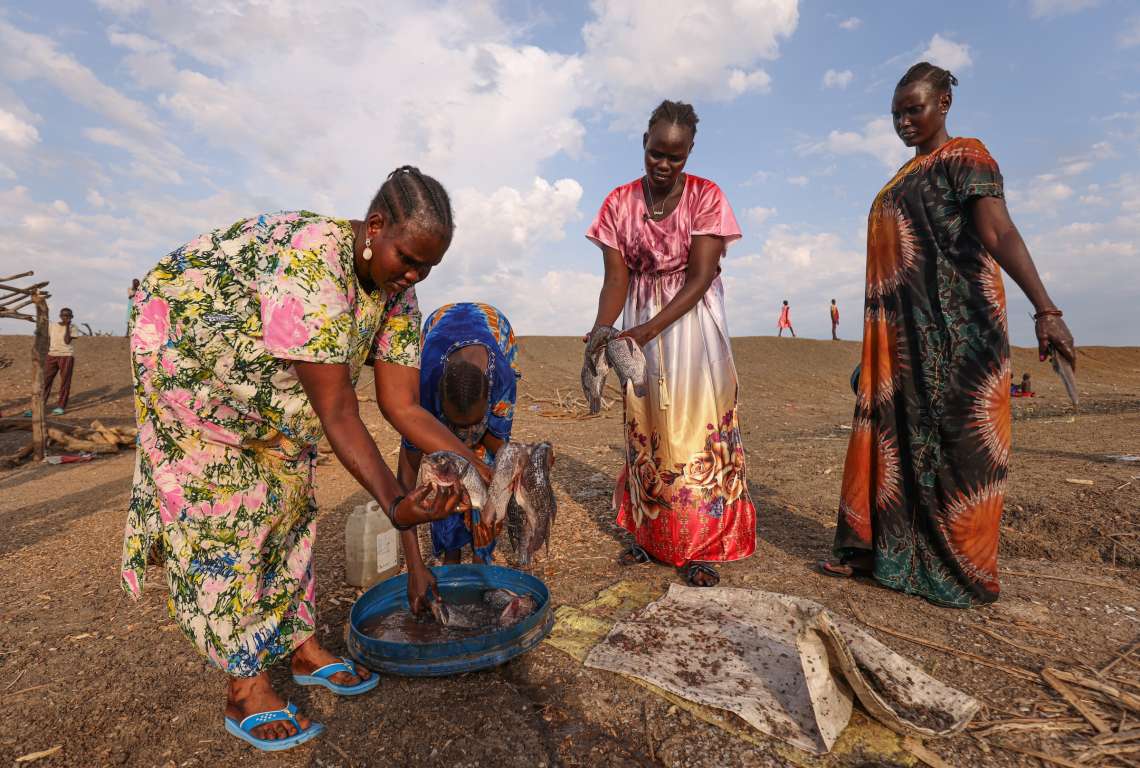
WMO said accurate seasonal forecasts were crucial to turning climate predictions into early action, giving governments, humanitarian agencies and communities time to prepare for potential disasters and disruptions to agriculture, health, energy and water supplies.
El Niño is a naturally occurring climate phenomenon involving the warming of surface waters in the central and eastern equatorial Pacific. It typically develops every two to seven years and can last between nine and 12 months, although its influence on global temperatures and weather can extend beyond its peak.
While El Niño itself is not caused by climate change, its impacts are unfolding against a backdrop of rising global temperatures and increasingly warm oceans.
WMO said it would continue monitoring the event closely and urged governments and communities to use forecasts and early-warning systems to prepare for its potential consequences.